
Key Takeaways:
- Coffee badging reflects a deeper measurement problem: You’re not just seeing employee behavior. You’re seeing what happens when attendance is measured as check-ins instead of meaningful work or time spent.
- Attendance does not equal engagement: A badge-in or login only shows presence at a moment in time. It does not tell you how long someone stayed or whether productive work actually happened.
- Coffee badging is driven by policy gaps, not just intent: When return-to-office rules lack clear purpose, employees tend to comply minimally. The issue is often misalignment between policy and how work gets done.
- Presenteeism and coffee badging are different signals: Presenteeism is about staying visible despite low productivity. Coffee badging is about brief, symbolic presence to meet requirements.
- Basic attendance systems create misleading data: Relying only on badge swipes or check-ins leads to false compliance, poor planning decisions, and managers rewarding visibility over outcomes.
- You need duration, not just entry data: Accurate attendance tracking requires understanding how long employees stay and how consistent their in-office patterns are.
- Detection should focus on patterns, not individuals first: Looking at team-level trends like short-stay ratios and dwell time gives better insights and avoids creating distrust.
- Context and exceptions are critical: Without accounting for real-world scenarios like client visits or flexible schedules, you risk misinterpreting normal behavior as policy violations.
- Employee monitoring should support decisions, not surveillance: The goal is to understand work patterns and improve policies, not to micromanage or track employees excessively.
- Tools like Flowace enable smarter attendance analysis: With automated tracking, duration insights, and activity-based reporting, you can move from surface-level attendance logs to meaningful workforce visibility.
- The real shift is from visibility to clarity: Instead of asking “who showed up,” you should be asking “how did attendance actually play out” and “what does it tell us about our policies.”
What is coffee badging? As hybrid work matures and return-to-office policies tighten, coffee badging has become a trend amongst employees. It highlights a bigger issue. Office attendance and actual engagement are not the same thing. Just because someone checked in doesn’t mean they stayed, contributed, or worked for a meaningful duration.
Traditional attendance systems don’t really help here. You can see who logged in, but you don’t get a clear picture of how long they stayed or whether their presence was consistent. That is where modern attendance software becomes more useful.
In this guide, we’ll break down the coffee badging trend, why employees do it, and how attendance software helps organizations detect it responsibly without turning workplace visibility into surveillance.
What Is Coffee Badging?
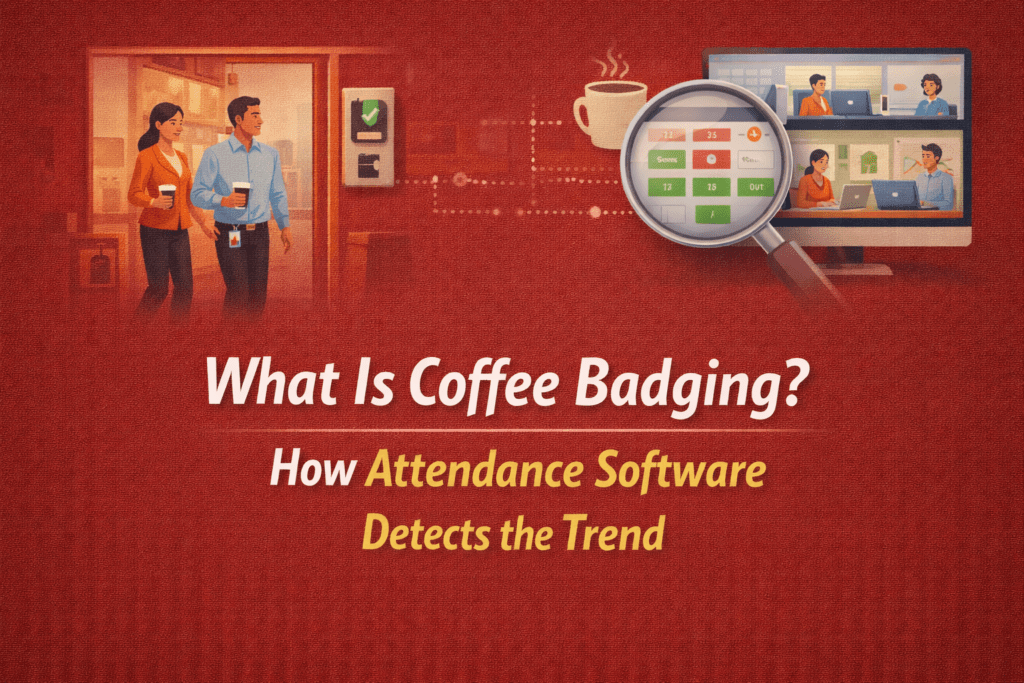
Coffee badging is when you come into the office just long enough to check the box, then head out and continue your work somewhere else. As return-to-office policies tighten, some employees show up, grab a coffee, badge in, and leave shortly after.

You’ll usually see this in setups where there’s a mandatory in-office requirement. A recent survey finds that 43% of workers admit to coffee badging, and another 12% plan to try.
You’ll usually spot it in a pretty predictable pattern amongst your employees:
- They badge in in the morning, grab a coffee, maybe have a quick chat
- They attend a short meeting or stop by a desk briefly
- Then they leave before any meaningful in-office work really happens
What often gets missed in the coffee badging trend conversations is the real issue. The behavior is visible, but the underlying cause is usually a mismatch between policy and how work actually gets done.
How is Coffee Badging Different From Presenteeism?
If you look closely, both behaviors are about visibility, but they come from slightly different dynamics.
Presenteeism is when someone stays “present” for the sake of being seen, even if that time isn’t productive. This can happen in the office or remotely, and it’s usually driven by pressure to appear busy or available.
Coffee badging is more specific to return-to-office setups. It’s when someone shows up just long enough to meet the requirement, then leaves to work elsewhere. The focus here is not on appearing busy all day, but on technically complying with the rule.
So the difference is in intent and pattern. Presenteeism is about staying visible despite low productivity. Coffee badging is about minimal presence to meet expectations, without fully engaging in the office workday.
An employee monitoring software becomes useful in both cases. Instead of relying on check-ins or physical presence, you can look at actual work patterns. Activity data, time usage, and productivity trends help you understand whether meaningful work is happening, regardless of location.
Why The Coffee Badging Trend Happens And What Your Attendance Data Is Really Saying
Coffee badging is often a signal that you’re measuring the wrong metric. You are measuring presence instead of actual work. That is what creates attendance theater. You see badge-ins, but you do not necessarily see focused work or a full office day.
The behavior is usually driven by:
- RTO without a clear purpose: If coming into the office feels symbolic instead of useful, employees will comply with the rule in the lightest way possible.
- Commute and cost friction: When commuting takes time and money, staying in the office all day starts to feel harder to justify.
- Trust gaps around hybrid productivity: If leaders are unsure whether people are working, they often respond with tighter rules. That can push employees toward minimal compliance rather than real engagement.
- A belief that work can happen elsewhere: Many employees still see hybrid work as productive. If they can get real work done after leaving the office, they will often choose that over staying just to be visible.
So what is your attendance data really saying? It is probably telling you that badge-ins are not the same as engagement. It may also be showing that your policy is driving behavior you did not intend.
That is why simple entry logs are not enough. You need attendance data that goes beyond who showed up and helps you understand how long people stayed. You need to understand whether office time was meaningful and where the policy is creating friction.
Why Badge Swipes And Basic Office Check-Ins Fail As Attendance Metrics
A badge swipe tells you someone entered. It does not tell you how long they stayed. Someone can badge in, spend a few minutes, and leave while still appearing compliant in your reports.
That creates a few real operational problems:
- False compliance: Your dashboard shows people as present, but that does not mean collaboration or coverage actually happened.
- Poor space and staffing decisions: You may plan desks, facilities, and support based on headcount that is not really staying in the office.
- Misaligned manager behavior: Managers start rewarding the act of showing up instead of focusing on outcomes. Activity without context can easily turn into productivity theater and erode trust.
A check-in is not the same thing as attendance. Once you accept that, the limits of badge data become obvious. It can tell you who arrived, but not whether the office day was productive. That is why basic check-ins are too shallow to guide workforce decisions.
How To Detect Coffee Badging with Attendance Software Without Creating A Surveillance Culture?
If your team is asking how to detect coffee badging, the most responsible answer is this: detect patterns before you investigate people. Good attendance software does not jump straight to individual scrutiny. It first looks for repeatable signals around duration and frequency, then compares those signals with role-based expectations and approved exceptions.
A practical framework you can use:
Step 1: Define what “in office” actually means
You cannot detect violations if the rule itself is unclear. For example:
- “Two days per week in office, at least 4 hours each day.”
- “One anchor day for collaboration, at least 10:00 to 3:00 onsite.”
- “Client-facing teams: onsite for scheduled coverage windows.”
This definition becomes the foundation of your return to office attendance reporting.
Step 2: Build Your Detection Metrics Around Duration, Not Check-Ins
The most useful metrics for short office visits attendance analytics include:
- Short-stay ratio: what percentage of office visits fall under a chosen threshold, often 60 minutes. This becomes meaningful when it repeats, not when it happens once.
- Dwell distributions: the distribution of visit lengths, helping you see whether office days are mostly real stays or brief appearances.
- Repeat short-visit frequency: how many short stays happen per person per month, compared to policy. In practice, you start at the team level.
- Start-time clustering: whether employees badge in at the same time and then disappear shortly after.
- Check-in vs work-pattern mismatch: attendance logs show onsite presence, but there is no meaningful onsite work window.
Step 3: Detect At The Team Level Before The Individual Level
This is where most approaches fail. You get stronger signals and avoid unnecessary distrust when you start by asking:
- Which teams have the highest short-stay ratio?
- Which office days show high check-ins but low sustained presence?
- Did patterns shift after a policy change or office redesign?
This approach turns detection into diagnostics instead of policing.
Step 4: Add Exception Logic To Prevent False Positives
Coffee badging detection breaks when you ignore real-world scenarios. You need to account for:
- Field work, client visits, and off-site meetings
- Split shifts and part-day schedules
- Disability accommodations
- Roles where onsite presence is naturally episodic, such as IT maintenance or audits
This is what separates rigid monitoring from ethical employee attendance tracking. Without this exception logic, you risk labeling normal work patterns as policy avoidance.
This is where a platform like Flowace can help in a practical, non-intrusive way.
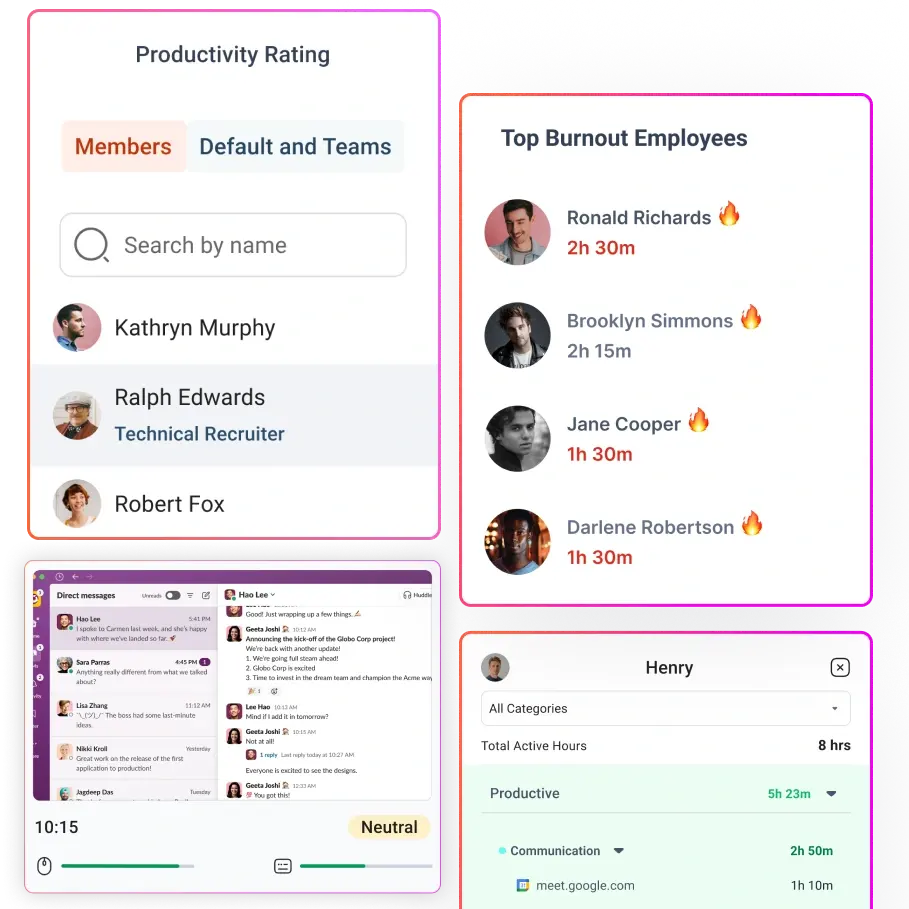
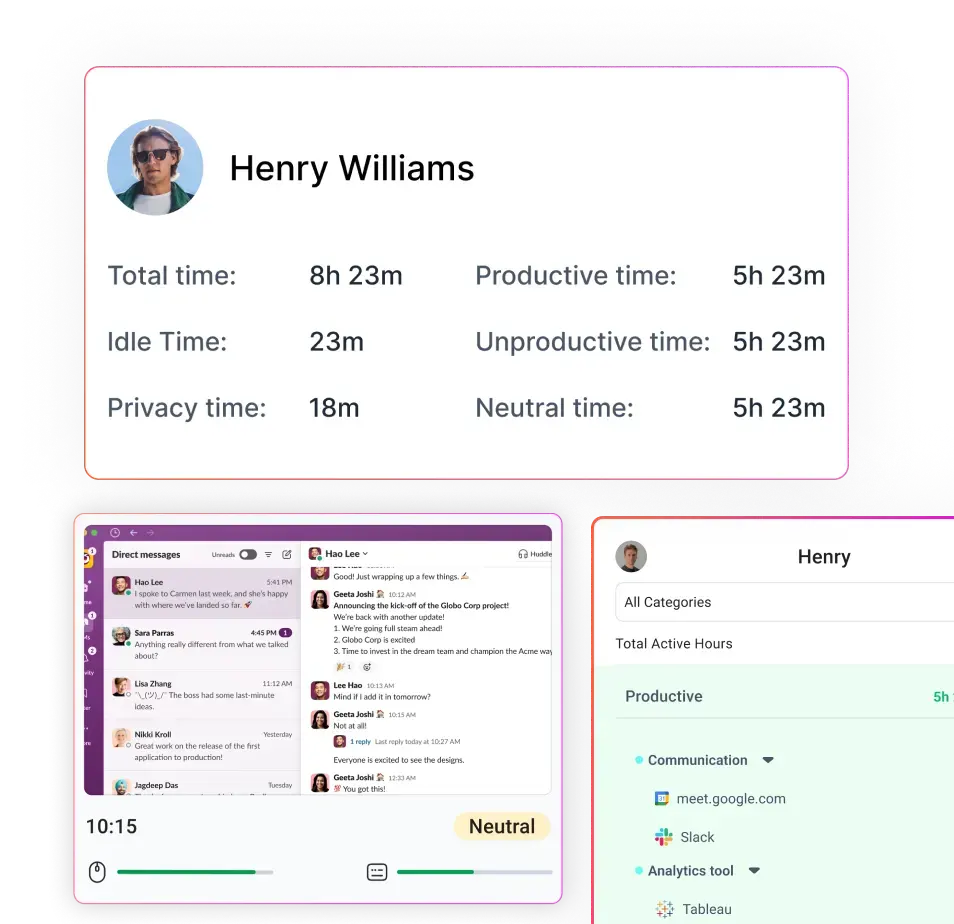
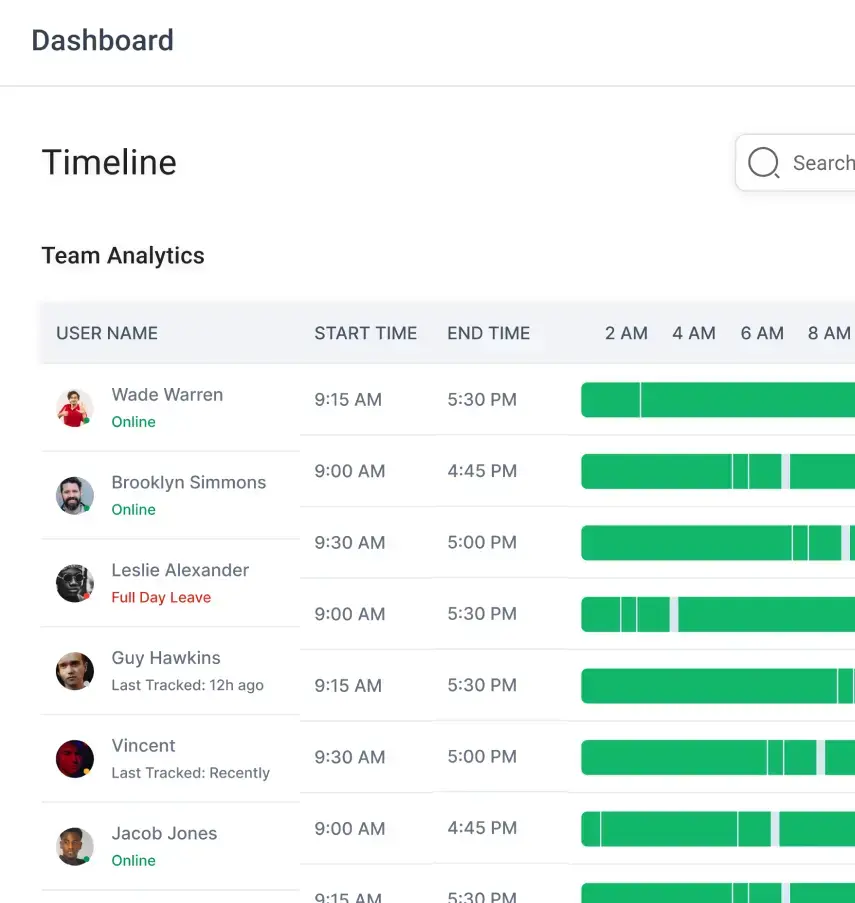
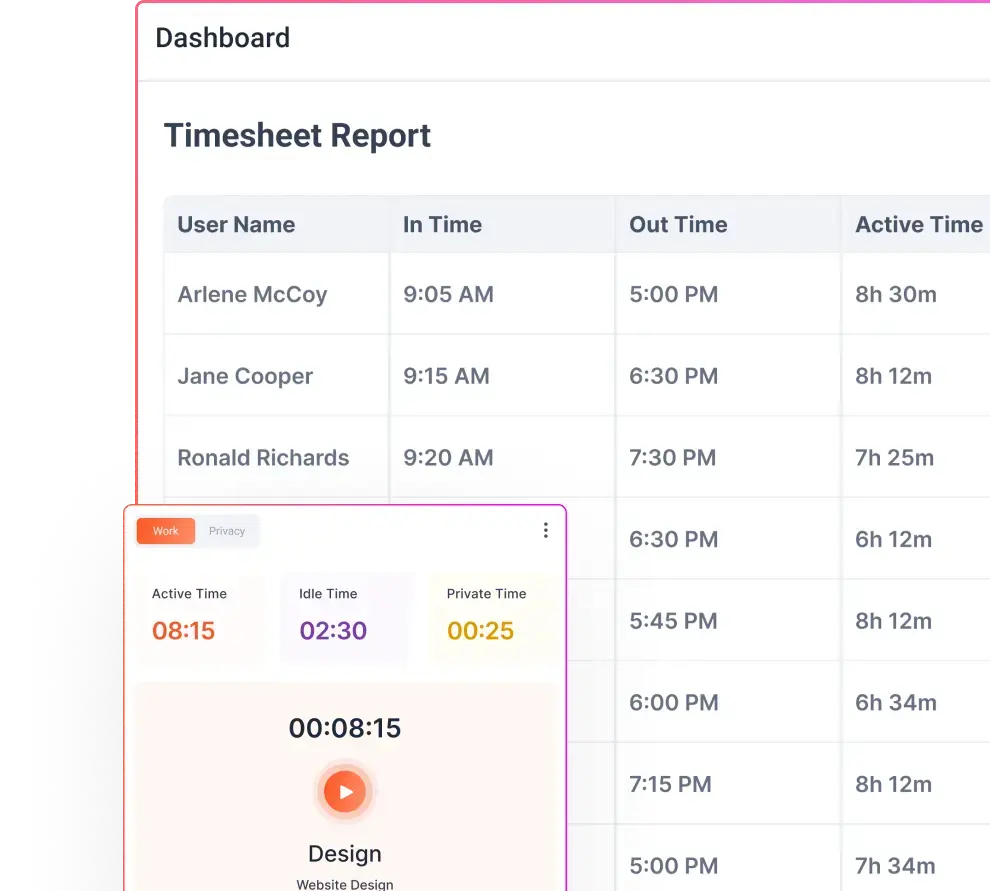
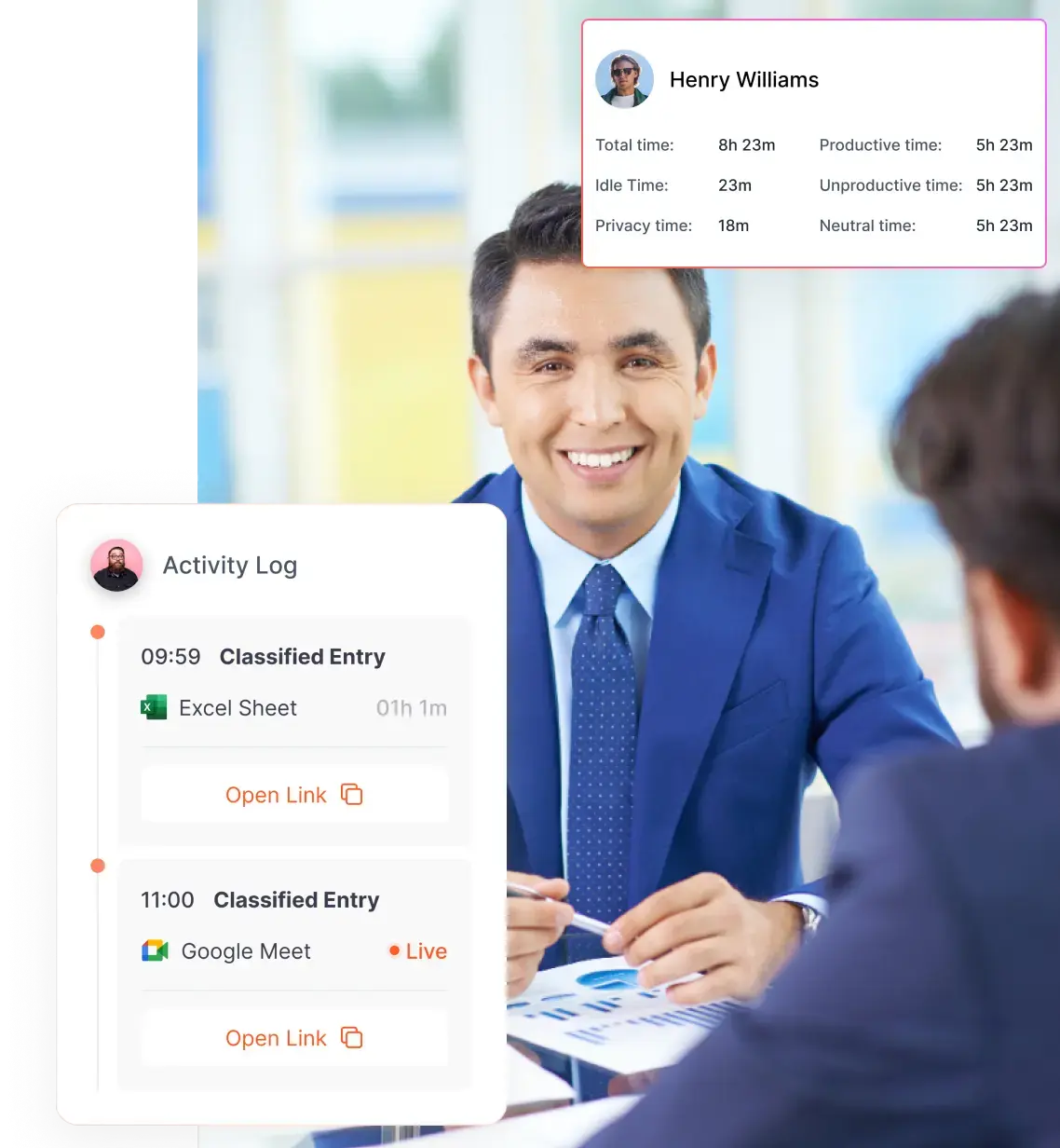
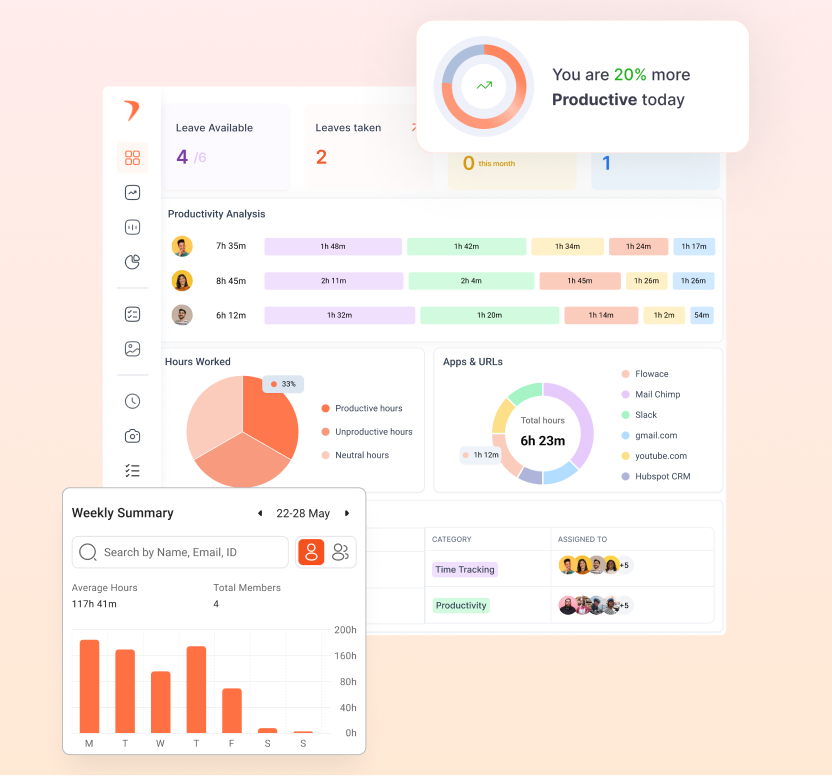
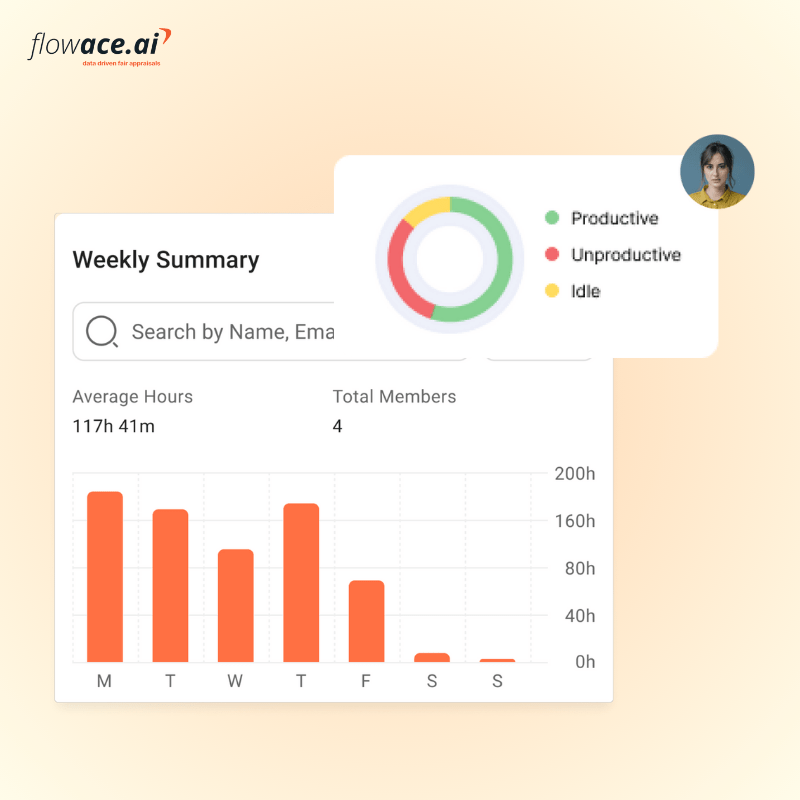
Flowace gives teams a clearer view of attendance patterns through automated attendance data, in and out time tracking, timesheets, and activity-based reporting. That means you are not relying only on whether someone showed up. You can look at attendance duration, compare expected versus actual work windows, and review team-level trends over time.
In a coffee badging scenario, that matters because the goal is not to “catch” employees. The goal is to understand whether short-stay behavior is isolated, repeated, team-specific, or tied to a deeper policy issue. Flowace helps make that analysis easier by giving HR and operations teams more context around attendance, work schedules, missing hours, and exceptions, so decisions are based on patterns rather than assumptions.
Final Thoughts
Coffee badging is not just an employee behavior problem. It is a signal that your current attendance metrics may be too shallow.
If you rely only on check-ins or badge swipes, you end up measuring presence, not participation. That is what creates confusion, misaligned decisions, and unnecessary pressure on teams. The real shift is moving from “who showed up” to “how attendance actually looks in practice.”
When you focus on patterns like duration, consistency, and team-level trends, you get a much clearer picture. You can see where policies are working, where they are creating friction, and where employees are simply adapting to unclear expectations.
That is where the right attendance software makes a difference. With a platform like Flowace, you can move beyond surface-level logs and start looking at attendance with context. You can track real work windows, spot short-stay patterns, and make decisions based on data instead of assumptions.
If you are trying to make your hybrid or return-to-office strategy more effective without creating a surveillance-heavy culture, this is the shift that matters.
Want to see how this works in practice? Book a free demo or start your free trial with Flowace today and see how you can turn attendance data into clearer, smarter decisions.
FAQs:
What is coffee badging in the workplace?
It’s when an employee shows up briefly to get “credit” for being on-site, then leaves to work elsewhere.
Is coffee badging the same as quiet quitting?
No. Coffee badging is about symbolic onsite presence under an RTO rule. Quiet quitting is about limiting work to role boundaries. They can overlap, but they are not the same.
Is coffee badging a form of presenteeism?
It’s related to presenteeism and “productivity theater,” but it is more about complying with attendance optics than staying at work unproductively all day.
Can attendance software detect coffee badging?
Yes, if it measures duration patterns like short-stay ratio and dwell distributions, not only check-ins.
How do you detect coffee badging without invading privacy?
Start with team-level trends, minimize data, disclose tracking, and use role-based access. Avoid always-on, individual surveillance as a default.
Why do employees coffee badge?
Common drivers are rigid RTO rules, commute and cost friction, and a belief they work better elsewhere.
What are signs of coffee badging in hybrid teams?
High short-stay ratios, clustered morning check-ins, repeated partial-day patterns, and teams with high “present” counts but low sustained onsite time.
What is an acceptable threshold for short stays?
There is no universal rule. Many organizations start analysis with “under 60 minutes” as a short stay, then calibrate to policy and role.
Is it legal to monitor office attendance?
Often yes, but it depends on jurisdiction and how you do it. Guidance commonly emphasizes justification, fairness, and transparency. For example, UK guidance notes employees must be informed and covert monitoring should be limited to specific investigations.