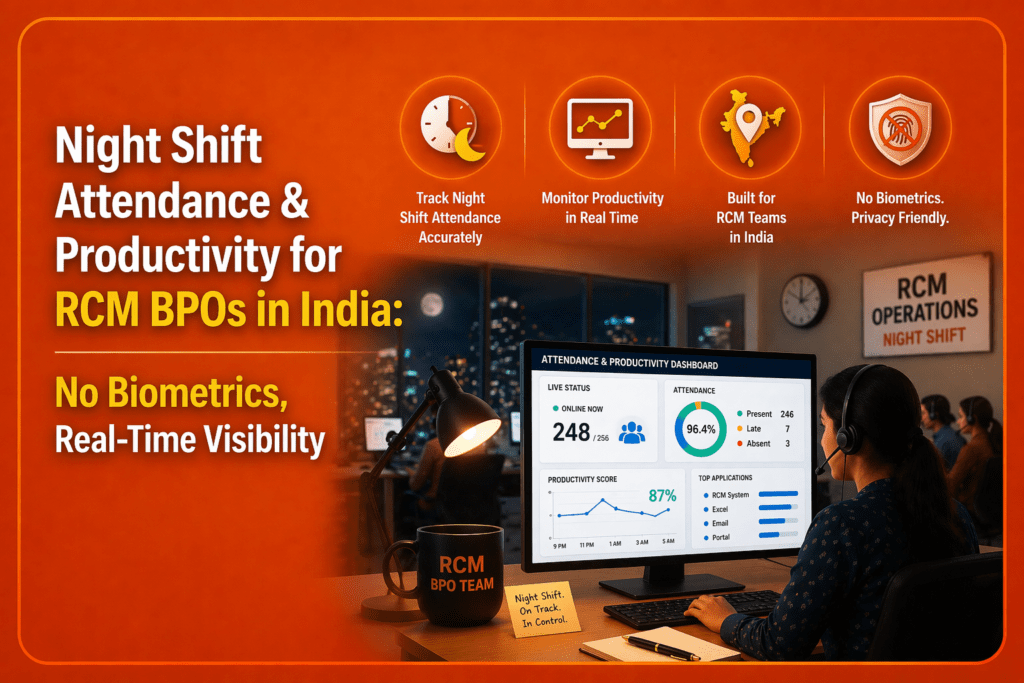
Night Shift Attendance & Productivity for RCM BPOs in India: No Biometrics, Real-Time Visibility



Key Takeaways
- Night-shift operations are critical to RCM performance, but they come with higher risks due to fatigue, limited supervision, and time-zone dependencies.
- Traditional attendance systems only track presence, not actual work done—creating blind spots in productivity and operational coverage.
- “Presence” does not equal “performance.” Teams can be fully logged in yet still fall behind on claims, follow-ups, and denial resolution.
- Night-shift leakage—small, unnoticed losses in time and focus—can significantly impact revenue cycle outcomes over time.
- Attendance visibility helps with payroll and compliance, while coverage visibility ensures that work is actually being handled in real time. Both are essential for effective RCM operations.
- Manual timesheets and biometric systems provide limited insight and can create false confidence, especially in remote and hybrid setups.
- Data privacy regulations like India’s DPDP Act make biometric-based tracking more complex, pushing organizations toward non-invasive alternatives.
- Effective night-shift management requires three layers: attendance tracking, productivity insights, and operational continuity.
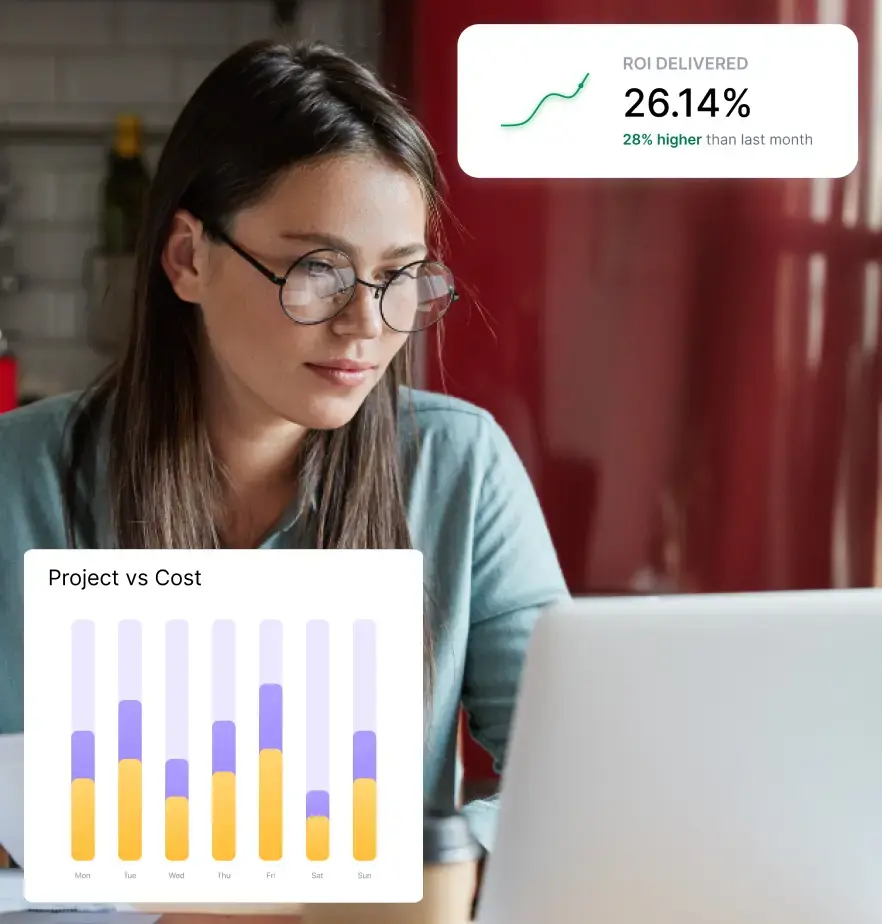
- Real-time visibility into active time, idle patterns, and queue coverage enables managers to intervene early and prevent SLA breaches.
- No-biometric, software-based solutions offer a more scalable, compliant, and practical approach for modern RCM BPO teams.
- Platforms like Flowace bridge the gap between attendance and execution by providing real-time insights, helping reduce leakage and improve overall performance.
India’s revenue cycle management (RCM) BPO industry works largely around US business hours. Teams in Chennai, Pune, and Hyderabad often start their day when payer offices in places like New York and Texas open. These night shifts are essential for keeping billing, coding, and denial management moving smoothly, but they also come with real challenges.
Most RCM BPOs already track when employees clock in and out, but that alone does not prevent delays. Claims can remain unworked for hours when managers are unavailable. Denials can quickly build up if even one team member leaves early or takes a longer-than-expected break. For night-shift operations in India, attendance software needs to do more than record biometric punches. It should give managers a clear, real-time view of productivity and shift adherence, while still respecting employee privacy.
Why night‑shift operations are harder to manage in RCM BPOs
Managing night-shift operations in RCM BPOs is rarely as simple as covering a different time zone. While these teams play a critical role in supporting US healthcare providers and payers, working overnight creates challenges that are easy to overlook.

Night shifts are mission‑critical for India‑based RCM delivery
Indian providers have become the preferred partners for global RCM tasks because of their skilled workforce, lower costs and compliance expertise (HITECH Act, HIPAA compliant monitoring, etc).
A 2023 industry overview notes that India’s time‑zone advantage allows healthcare BPOs to process claims, coding and billing at night, accelerating reimbursements and eliminating backlog. For US payers, that means faster revenue recognition; for Indian BPOs, it means a steady stream of overnight work that cannot be missed. Revenue flows depend on whether agents log in on time and follow through on payer calls, eligibility checks and denials.
Manager‑light hours increase operational risk
Third‑shift workers often operate with limited supervision. A 2026 Perceptyx research brief points out that third‑shift workers report the lowest well‑being scores across all shifts, partly because managers work first shift and leave before the night crew begins. Limited face time prevents the rapport necessary for coaching and accountability.
Presence does not equal throughput
In RCM, a team that is 100 % present on paper can still generate little progress. Employees may log in on time yet spend much of their shift navigating multiple payer portals, rechecking claim status manually or waiting for approvals. Without visibility into active versus idle time, managers cannot see which tasks are receiving attention.
Late starts, long breaks and unproductive app switching are invisible in typical biometric or punch‑card systems. This gap is why high‑performing practices focus on outcomes like days in accounts receivable (A/R) and denial rates: top practices keep A/R days under 30–35 and denial rates under 5 %.
Why traditional attendance systems fall short in RCM Industry
Traditional attendance systems were designed to answer a basic question: who showed up, and when? In the RCM industry, that is no longer enough.
What biometric attendance systems actually solve
Biometric readers and swipe cards confirm that someone physically entered the building. They provide start and end times, support payroll and create audit trails. For on‑site teams, they reduce “buddy punching” and ensure that the right employee is present. However, they offer little insight into what happens after the punch‑in. They also rely on hardware that may be unavailable or impractical for distributed or hybrid teams.
What biometrics and manual systems fail to show
Once the shift begins, biometric devices stop recording. Managers cannot tell whether an employee started productive work immediately or spent 20 minutes logging into various portals. Extended breaks, idle stretches and frequent app switching remain hidden. Biometric systems record presence but not coverage; manual timesheets are similarly flawed. Remote teams may still enter hours into spreadsheets, but there is no way to verify whether those hours were spent on high‑value tasks like denial appeals versus low‑value administrative work. This creates false confidence that all is well while claims sit unprocessed.
Employee monitoring software, on the other hand, reveals how time is actually spent after login.
Why manual timesheets create false confidence
Manual systems produce neat rows of hours but miss execution gaps. They rely on self‑reported data, which can introduce errors and inflate actual productive time. More importantly, they are retrospective: by the time a manager reviews timesheets, it is too late to intervene. Denial management is time‑sensitive; delays past payer appeal windows reduce the chances of reimbursement. Without real‑time insight into who is working on what, it is impossible to reassign tasks mid‑shift or add capacity when a queue spikes unexpectedly.
Data privacy and compliance pressures
India’s Digital Personal Data Protection (DPDP) Act, enacted in August 2023, establishes comprehensive rights for individuals and significant obligations for organizations processing personal data. Any company offering goods or services to individuals in India falls under its scope, and non‑compliance can result in fines of up to ₹250 crore (about $30 million USD).
The act defines personal data broadly to include direct identifiers like names and phone numbers as well as biometric data and device identifiers. It emphasizes consent, purpose limitation and data minimization. Employers processing employee biometric data for attendance must therefore justify that collection and implement strong safeguards—a complex burden compared with non‑biometric solutions.
What is night‑shift leakage and how it affects your revenue?
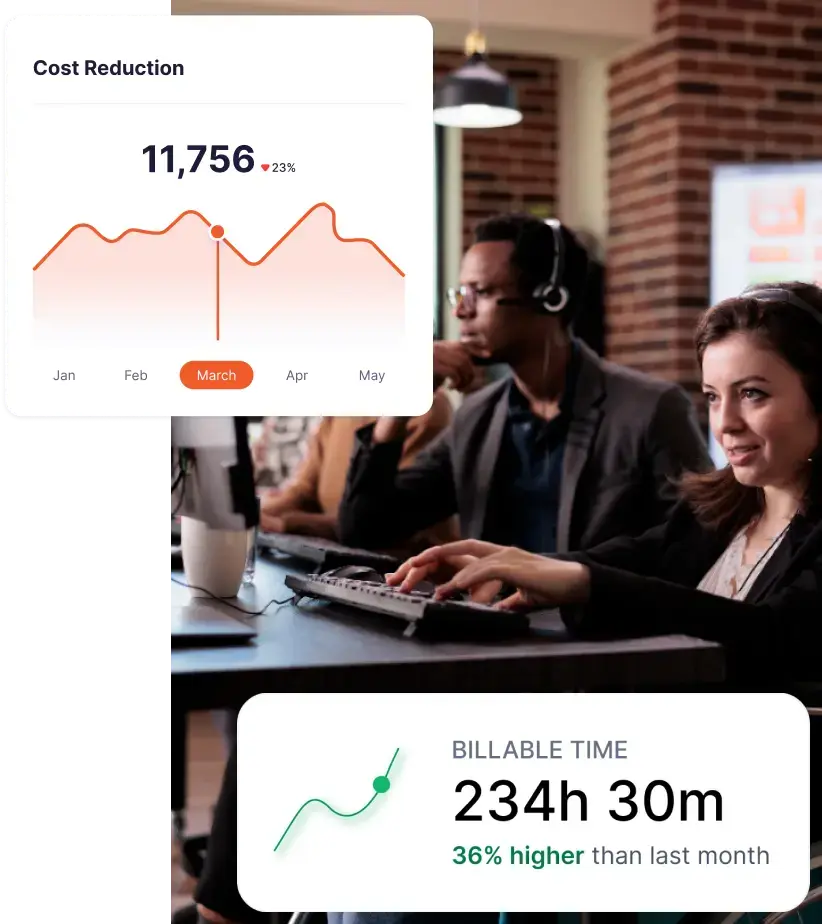
Night‑shift leakage refers to the small, hard‑to‑see losses in productive time, queue coverage, follow‑up discipline and team coordination that occur during overnight operations. Unlike obvious problems such as absenteeism, leakage manifests as minutes lost to portal switching, long breaks or idle time. Over a ten‑person team working eight hours, losing just 10 minutes per worker translates to more than an hour of collective capacity, which compounds across weeks and months.
Common examples of night‑shift leakage in RCM BPOs
- Late shift start: Team members logging in five to ten minutes late, delaying coverage of first calls or payer portal windows.
- Long first break: Employees taking extended breaks early in the shift, leaving queues unattended.
- Extended idle time: Workers waiting on approvals or status updates without reassigning tasks.
- Repeated payer portal switching: RCM staff logging into multiple payer websites or clearinghouses instead of using automated status feeds, wasting minutes each time.
- Low active work during follow‑up windows: Agents spending more time on administrative tasks while high‑value follow‑up tasks sit in the queue.
- Weak handoff between teams: Incomplete documentation or miscommunication when one shift ends and another begins, leading to duplicate work or missed follow‑ups.
- Overtime without meaningful output: Additional hours logged to compensate for earlier inefficiencies, increasing costs but not throughput.
Why these small gaps hurt revenue cycle outcomes
The CAQH 2024 Index notes that full automation of routine transactions could remove 22 % of administrative burden, saving the US healthcare system roughly $20 billion annually and reclaiming 70 minutes per patient visit. Yet many BPOs still rely on manual status checks and multiple portal logins.
Survey data from Tebra’s 2025 report shows that 64 % of healthcare professionals cite insurance claim denials as their biggest billing challenge, 54 % cite delays in claims processing, and 18 % spend more than 20 hours per month resolving billing errors. And high denial rates translate into costly rework.
High performers who keep denial rates below 5 % and A/R days under 35 often rely on tighter process control and early intervention.
What is Attendance visibility vs coverage visibility
Attendance visibility comes from clock‑in data, login records or timesheets. It shows who started their shift, when they took breaks and how long they stayed. This information is useful for payroll and compliance but says little about actual work performed.
Coverage visibility goes deeper. It tracks who is active, who is idle and which applications they are using. It reveals whether high‑priority queues are covered during critical windows and whether tasks are moving forward. Coverage visibility uses real‑time data to alert managers when idle time spikes or when follow‑ups fall behind. Without it, managers only discover problems the next morning.
Why RCM leaders need both?
Attendance data helps with payroll, legal compliance and resource planning. Coverage data helps with operational execution, staffing adjustments and service‑level agreements (SLAs). For remote and hybrid teams, the distinction is even more important.
In RCM, being present does not always mean being operationally effective. A team may appear fully staffed on paper, yet still struggle with gaps in workload coverage, delayed responses, or missed service targets. By using both attendance and coverage visibility together, RCM leaders gain a more complete view of workforce performance. This helps them make better staffing decisions, reduce disruptions, protect cash flow, and maintain service quality across every shift.
The three layers of night‑shift control
To manage night‑shift RCM operations effectively, think in three layers:
Layer 1 — Attendance
This layer captures shift start and end times, records late arrivals, monitors break adherence, flags absenteeism and tracks overtime. Accurate attendance data ensures payroll accuracy and supports compliance with labor laws.
Layer 2 — Productivity
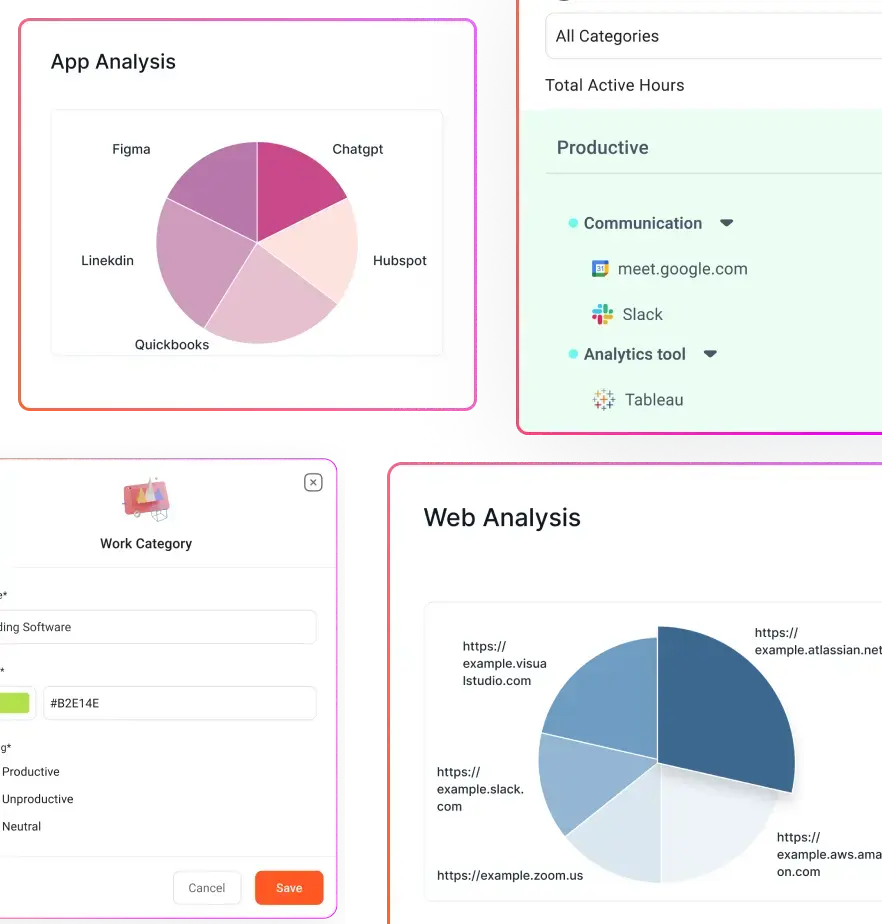
Here, teams measure active time versus logged‑in time, focus periods, idle patterns, application and website usage, and the split between core RCM tasks (claims submission, coding, denial appeals) versus low‑value administrative work. Employee monitoring data reveals which tasks absorb the most time and where automation or training can improve throughput.
Layer 3 — Operational continuity
The top layer ensures that queues are covered and workflows progress smoothly. It tracks follow‑up discipline, monitors handoff consistency between shifts, provides visibility into escalation points and alerts managers to exceptions (for example, a denial queue suddenly spiking or a team member being inactive during a critical window). This layer ties individual behavior to broader revenue outcomes such as days in A/R, first‑pass resolution rates and net collection rates.
What metrics RCM BPO leaders should actually track on night shifts?
Attendance metrics
- Planned vs actual shift start: Monitor whether employees begin when scheduled. Late starts delay access to payer portals and shift coverage.
- Attendance consistency: Track on‑time arrival and absenteeism trends by team and individual. Patterns of late logins may signal burnout or scheduling issues.
- Break duration and timing: Identify extended or poorly timed breaks that leave queues unattended.
- Overtime patterns: Flag repeated overtime, which may hide underlying inefficiencies or workload imbalances.
- Schedule adherence by team: Compare actual working hours against expected schedules to ensure fair distribution of night shifts and avoid overburdening certain teams.
Productivity metrics
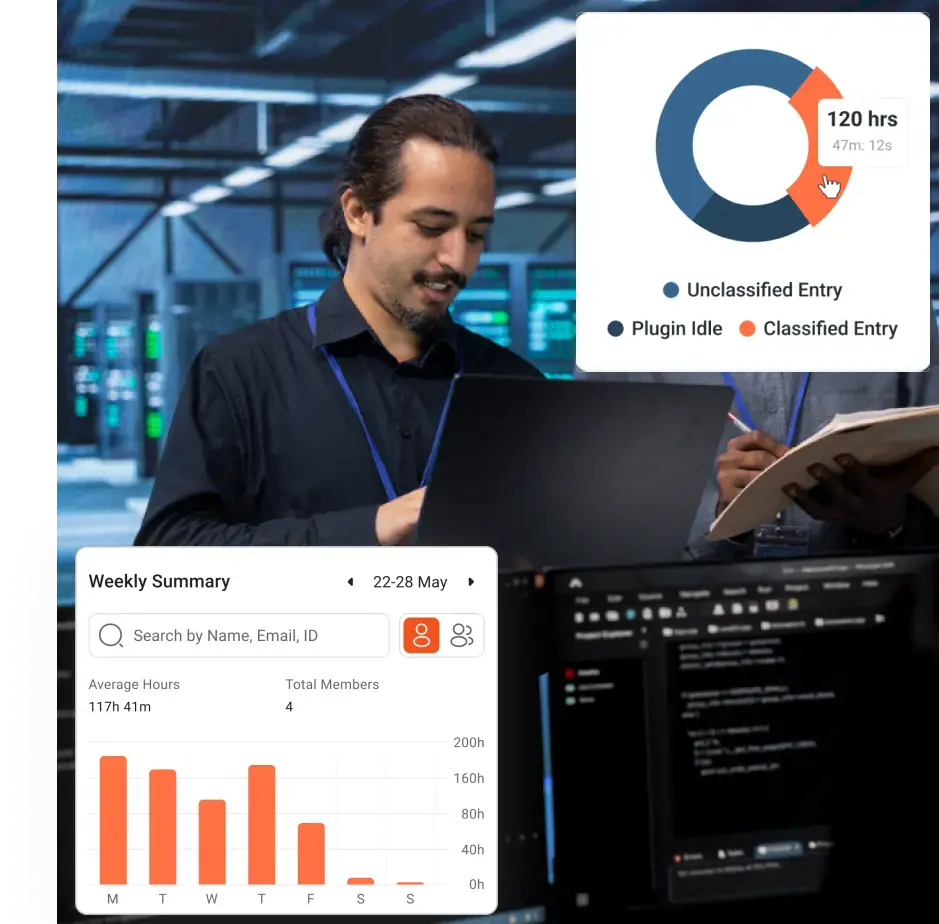
- Active vs logged‑in time: Measure how much of the logged shift is spent actively working. Remote workers may work fewer hours yet maintain output; separating active time from idle time ensures fairness and accountability.
- Focused work time: Track uninterrupted stretches of productive work on core tasks. Focused work drives throughput and accuracy, especially in denial resolution.
- Idle trend analysis: Monitor idle bursts to spot low engagement, waiting periods or system bottlenecks. Spikes in idle time during payer response windows may signal training gaps or process issues.
- Application usage concentration: Analyze which applications consume the most time—payer portals, billing systems or unrelated websites. This reveals friction points and ensures compliance with information security policies.
- Time spent on core work vs admin work: Separate time devoted to high‑value RCM tasks from low‑value support activities (e.g., data entry, manual status checks). Automation or delegation can free capacity for critical follow‑ups.
Operational metrics
- Queue coverage gaps: Identify periods when follow‑up queues or claim processing workflows are under‑staffed. Adjust scheduling or reassign tasks to avoid backlog.
- Follow‑up delays: Track how long claims wait between touches. Delays beyond payer response windows hurt first‑pass resolution rates and extend days in A/R. High‑performing practices maintain days in A/R below 35 and denial rates under 5 %.
- Team productivity consistency: Compare performance across teams and locations to detect drift. Significant variance may indicate training needs or workload imbalances.
- Handoff lag between functions: Measure time gaps between charge entry, coding, submission and denial resolution tasks. Seamless handoffs reduce rework and shorten collection cycles.
- Exception trends requiring intervention: Surface anomalies such as extended idle periods, repeated portal switching or unusual access patterns. These exceptions may indicate security risks, workflow problems or capacity gaps.
One useful metric most teams ignore: productive overlap time
Productive overlap time measures the period during which the right functions are simultaneously active. For example, claims callers, denial specialists and supervisors overlapping during high‑priority follow‑up windows. Ensuring enough overlap improves collaboration and reduces queue bottlenecks. It is especially important when teams are distributed across locations or working hybrid schedules.
What to look for in night‑shift attendance software for RCM BPOs in India
Automatic attendance without manual effort
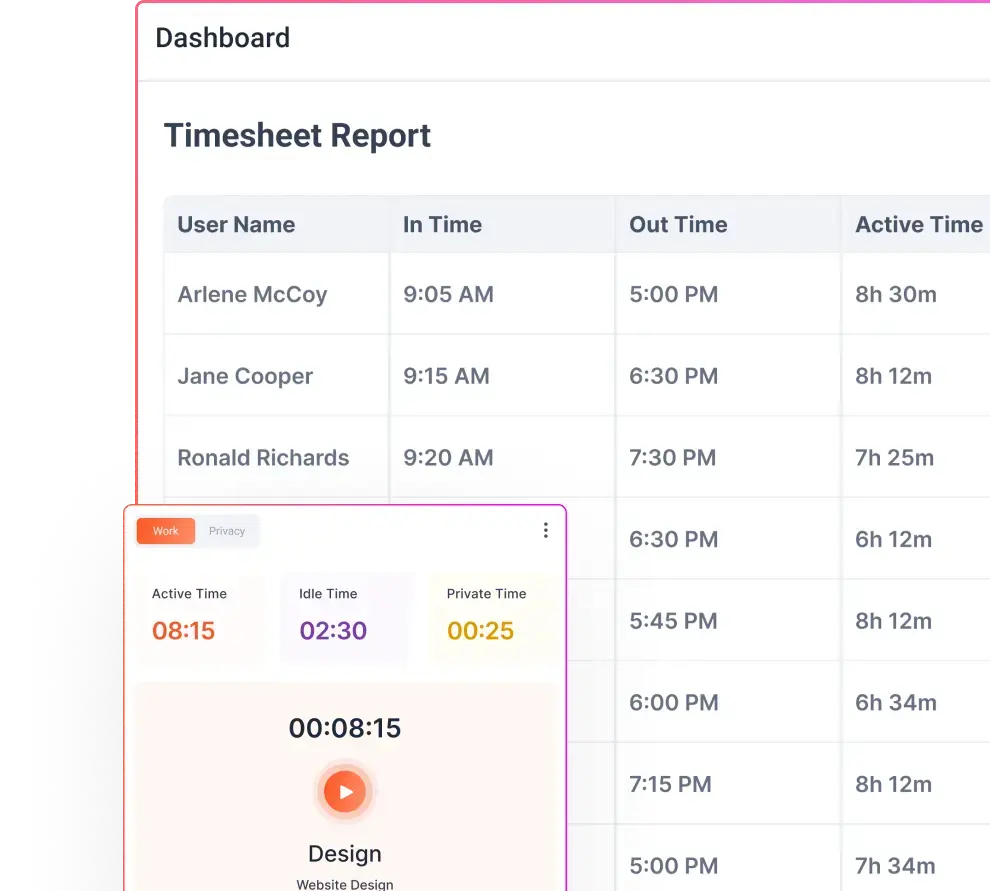
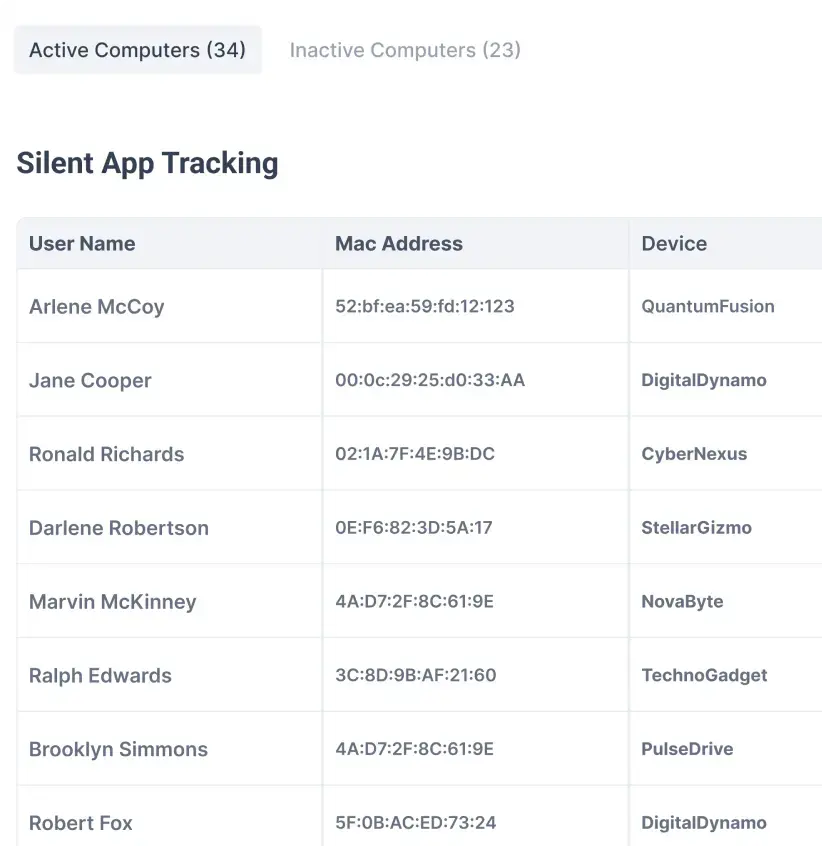
Look for software that automatically captures shift start and end times, whether employees work on‑site or remotely. The system should not depend on physical registers or manual entries, and it should handle scheduled and unscheduled breaks seamlessly. Automatic attendance reduces time theft and ensures accurate payroll.
Real‑time visibility for managers
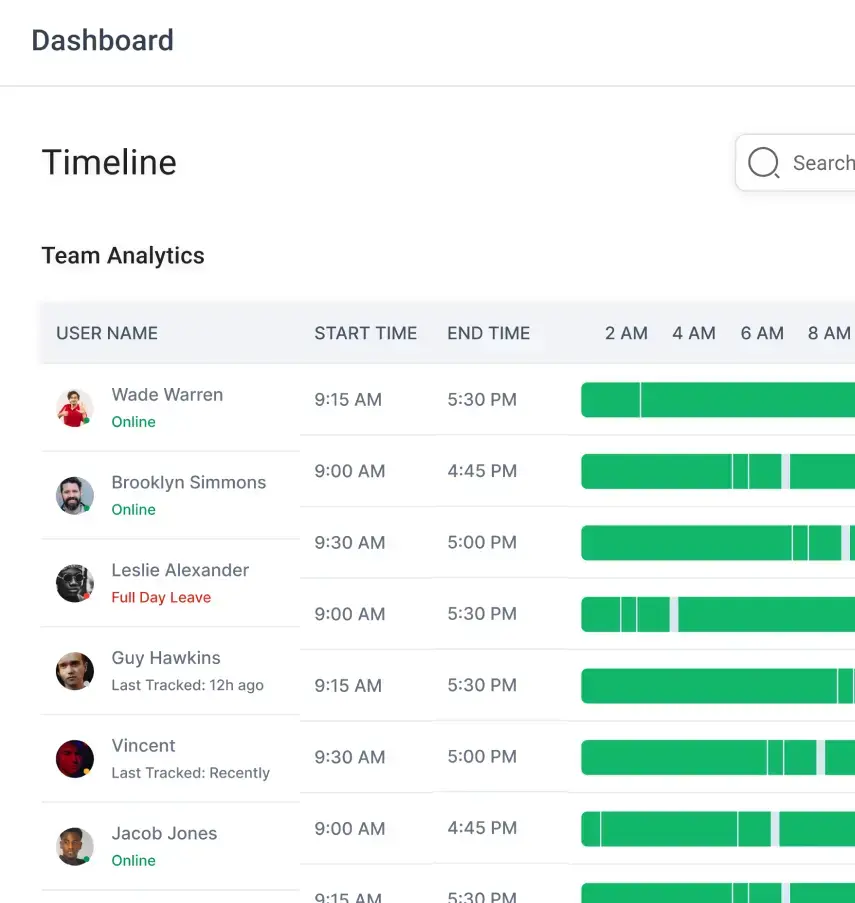
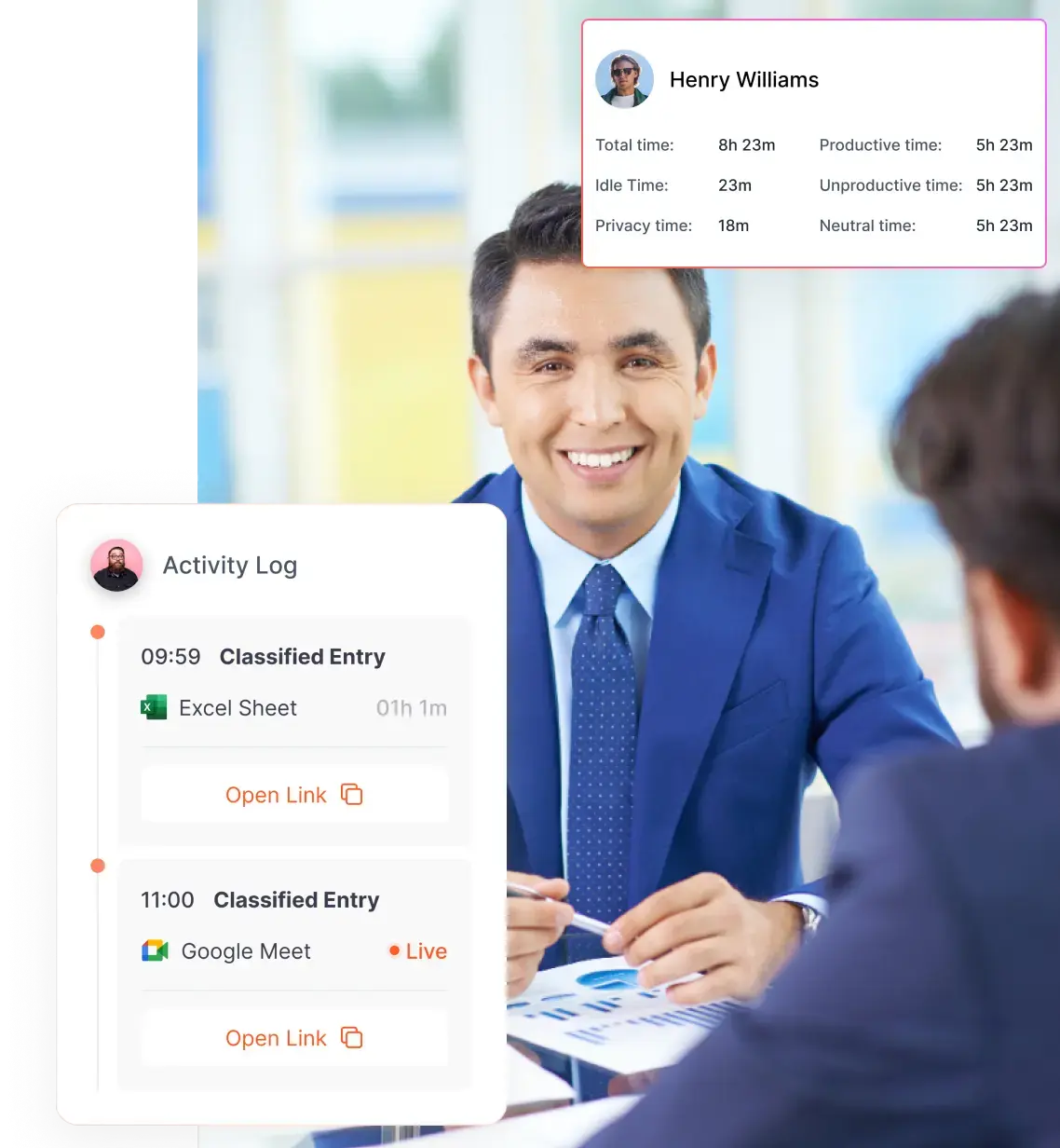
Managers should have live dashboards that show who is working, which queues are being covered and where idle time is spiking. Real‑time alerts allow supervisors to intervene before issues turn into backlogs. This is critical for night shifts, where there are fewer leaders on duty and problems must be addressed quickly.
Shift adherence and break monitoring
The tool should flag late starts, early logoffs, break overruns and unexpected idle trends. Notifications should go to both managers and employees so that minor deviations can be corrected before SLAs are missed.
Productivity tracking tied to actual work patterns
Beyond attendance, the system should track active time, focus periods, application usage and time allocation to core RCM tasks versus support tasks. Insights should be role‑specific—what matters for an AR caller differs from what matters for a coding specialist. Transparent productivity data builds trust and helps employees understand expectations.
No biometric dependency
Biometric systems require hardware and raise data privacy concerns. Under the DPDP Act, biometric data is considered personal and requires strict consent and purpose limitation. A no‑biometric attendance solution reduces friction, works across locations and simplifies compliance. It also supports remote and hybrid teams without requiring them to report to the office solely for fingerprint scans.
Privacy‑conscious controls
The right software should embody data minimization and transparency. Employees should know what is being tracked and why, and they should be able to pause tracking when not working. Privacy‑aware tools foster trust and comply with regulatory frameworks like DPDP.
Why no‑biometric attendance is a smarter fit for modern RCM BPO teams
Biometric devices require installation, maintenance and replacement. They tie attendance to a specific location, making it difficult for remote employees and field staff to log hours. They also introduce an additional data collection point that must be secured and audited.

Night‑shift operations need visibility, not just verification
Confirming that someone clocked in does not mean they are actively covering queues or working on high‑value tasks. The DPDP Act warns against collecting unnecessary data and imposes steep penalties for failing to maintain reasonable security measures. A modern attendance system should show shift health—active time, idle bursts, break drift, app usage—without relying on biometrics.
A no‑biometric model reduces friction while improving operational insight
Software‑based attendance allows employees to log in from anywhere. It simplifies onboarding and works for hybrid teams. Combined with predictive workforce analytics, it gives managers better insight into where time goes. It also aligns with India’s DPDP requirements by collecting only necessary data and avoiding sensitive biometric information.
Where Flowace fits in the night‑shift visibility stack
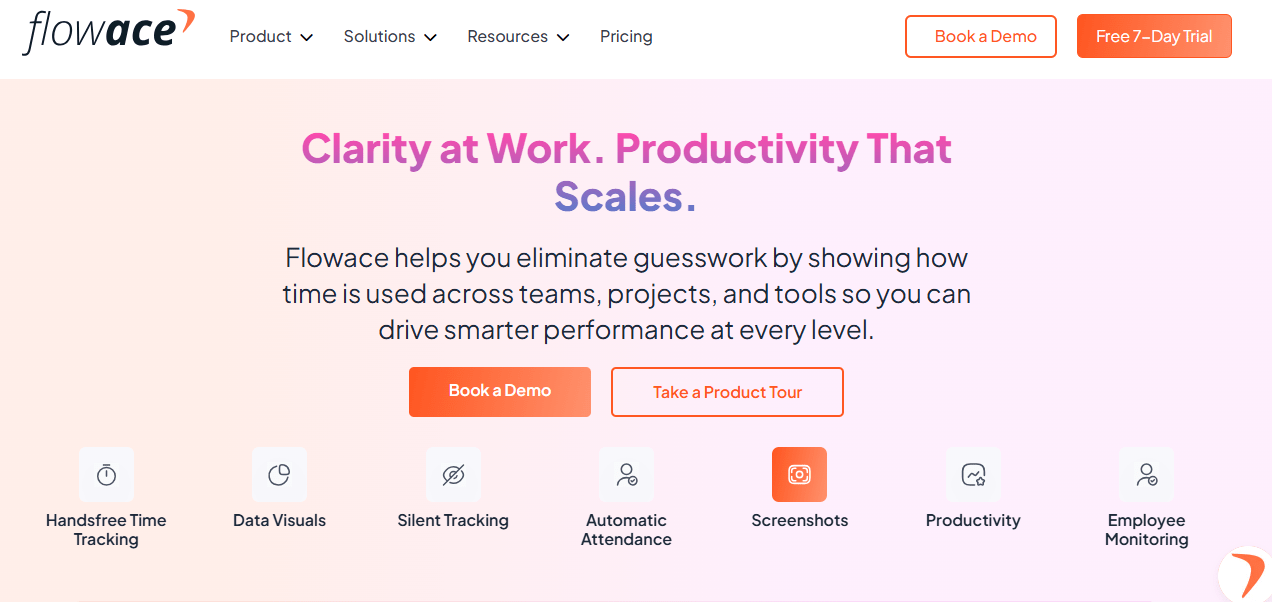
Flowace is a workforce visibility platform designed for time‑tracking and productivity monitoring. It integrates with billing and claims systems but does not process transactions itself. Instead, it acts as the visibility layer between attendance records and actual shift execution.
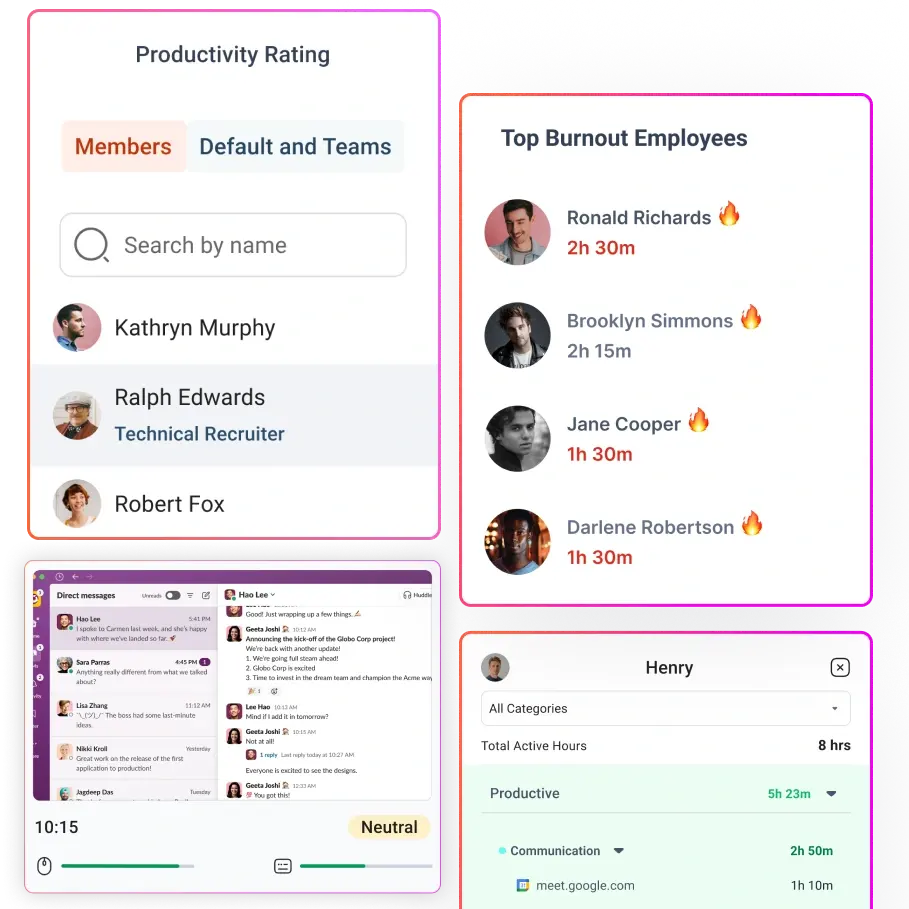
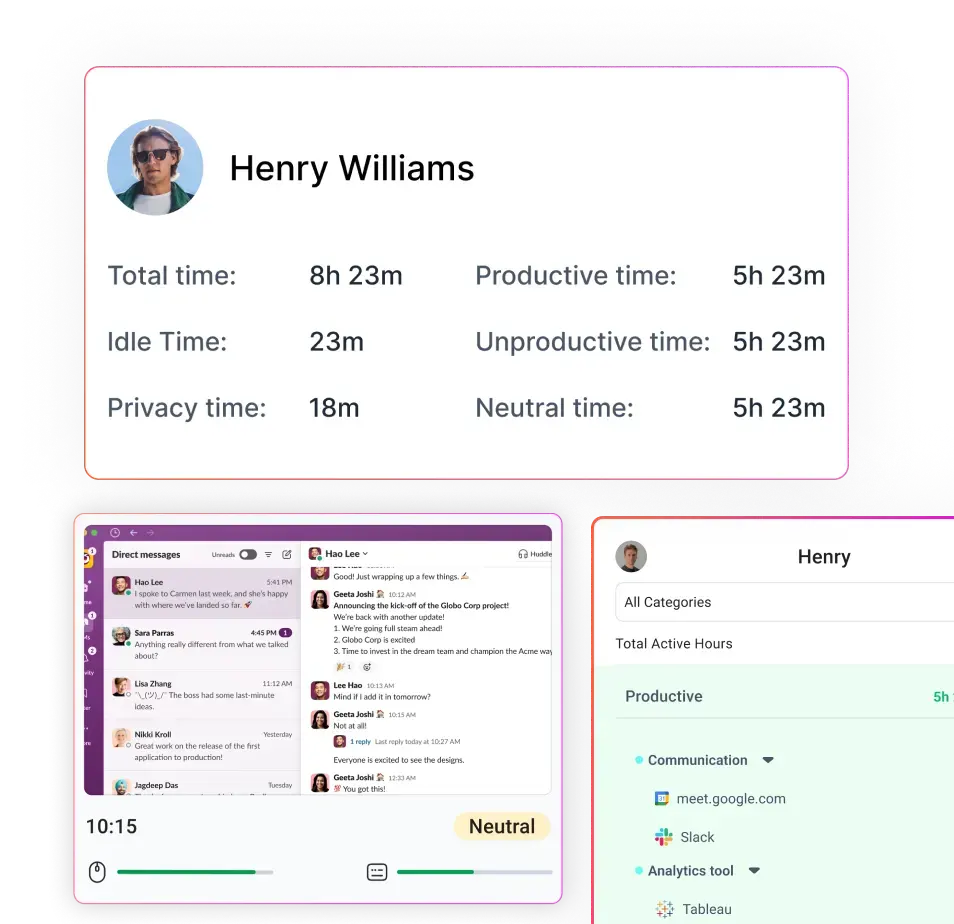
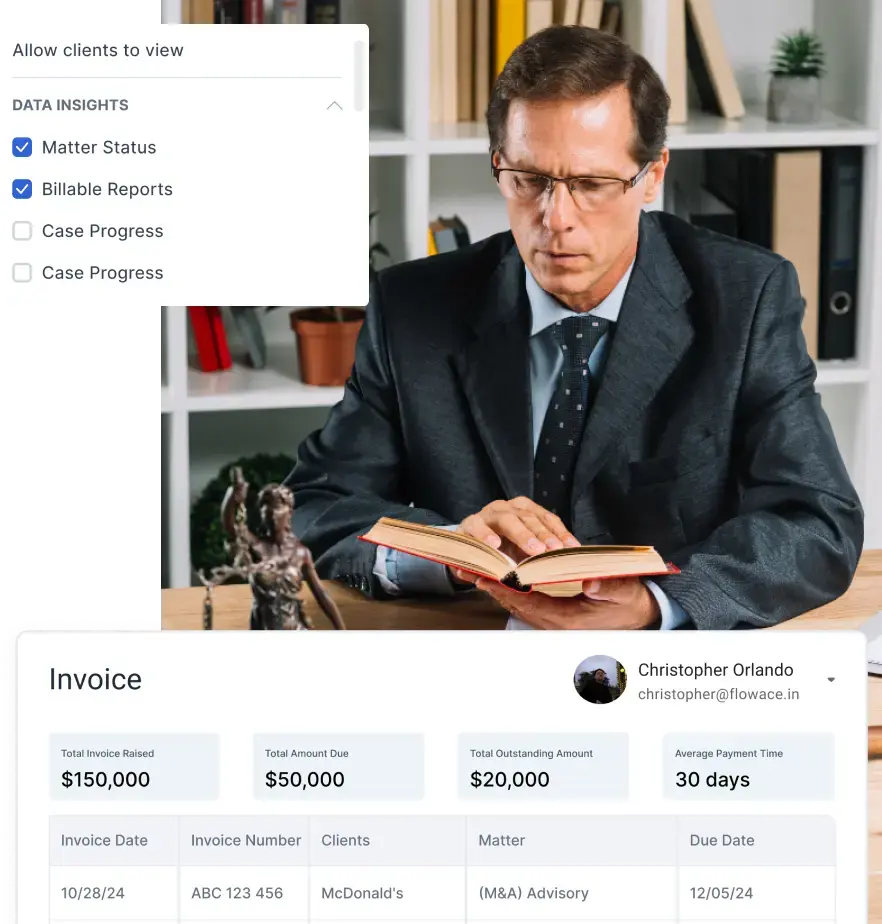
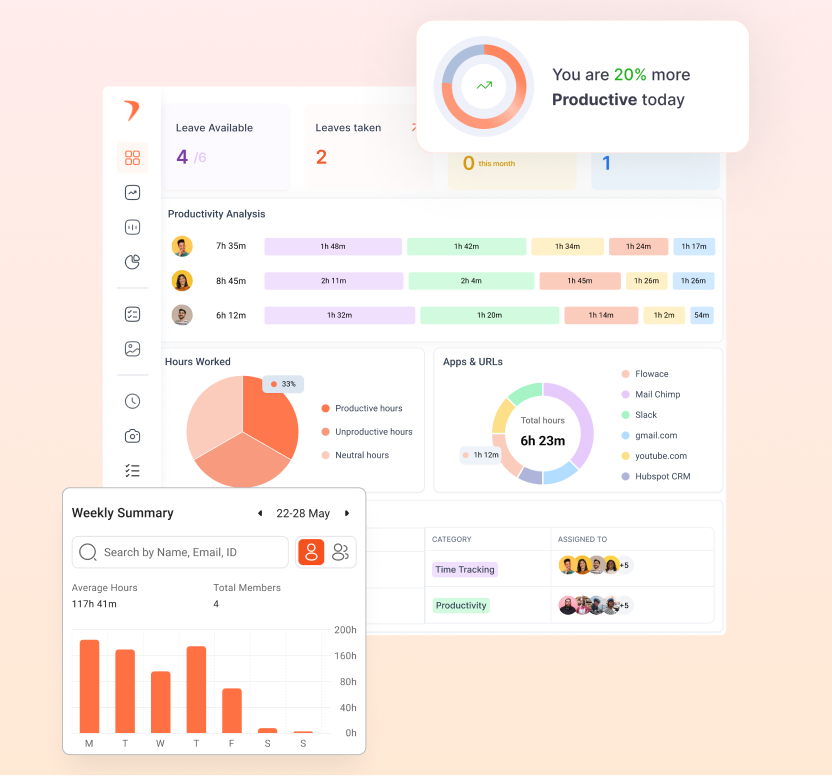
It includes features like automatic attendance tracking, projects and tasks, app and website tracking, configurable productivity ratings, raw activity logs and productivity dashboards. The platform also offers AI‑enabled time tracking, keyboard and mouse activity monitoring, offline mode, billing and invoicing and cross‑platform compatibility.
- Flowace records attendance automatically without biometric hardware. Its dashboards show real‑time shift status across teams and locations, highlighting active and idle time, app usage and productivity patterns.
- Managers receive alerts when night‑shift workers start late, exceed break limits or switch between payer portals excessively.
- The platform’s analytics help leaders compare productivity across teams, identify high performers and coach underperformers.
- Because Flowace integrates with project management tools like Jira and Asana, time logs can be linked directly to RCM tasks, giving a clearer picture of capacity versus workload.
What this means for night‑shift operations
For India‑based RCM BPOs serving US clients, Flowace reduces blind spots. Leaders gain insight into how capacity is used across billing, coding and follow‑up functions. They can spot queue build‑ups before they breach SLAs, reassign tasks mid‑shift and maintain consistent follow‑up cadence.
All this is achieved without requiring employees to scan fingerprints or submit biometric data. By tying time usage to outcomes like first‑pass resolution rate and days in A/R, Flowace helps operations managers make more informed staffing and performance decisions.
Final takeaway
Night‑shift RCM operations are essential to healthcare cash flow, yet they often run on autopilot. Checking employees in at the door—or through a remote time sheet—does not ensure that claims move, denials are appealed or queues stay covered. The real challenge is night‑shift leakage: minutes lost here and there that slowly erode revenue cycle performance.
Biometric systems validate presence but cannot reveal coverage or productivity. Moreover, India’s DPDP Act requires organizations to minimize data collection and obtain consent, making non‑biometric solutions more attractive.
To keep revenue cycles healthy, RCM BPO leaders need a real‑time visibility layer that connects attendance to actual performance. Software like Flowace provides automatic attendance tracking, productivity analytics and operational dashboards without relying on biometrics. By giving managers a clear view of shift adherence, active time and queue coverage, it allows early intervention, better staffing decisions and sustained high performance.
Ready to see how a privacy‑aware, real‑time attendance and productivity solution can transform your night‑shift RCM operations? Star your free trial today or book a free demo of Flowace to experience how automatic attendance tracking, shift adherence monitoring and productivity analytics work together to reduce night‑shift leakage.
FAQs:
Why is biometric attendance not enough for night‑shift RCM teams?
Biometric systems confirm that someone clocked in, but they do not show productivity, shift adherence, active time or queue coverage. They also collect sensitive biometric data, which must be handled under India’s DPDP Act
What should RCM BPO leaders monitor during night shifts?
Leaders should track attendance consistency, active versus logged‑in time, focused work, idle trends, application usage, queue coverage, handoff lag and exception trends. Monitoring these metrics helps spot leakage and maintain SLA compliance.
How is attendance visibility different from productivity visibility?
Attendance visibility records who logged in and when. Productivity visibility shows how time was actually used—active work, idle periods, app usage and time spent on core RCM tasks. Both are necessary for operational control.
Can no‑biometric attendance software still support accountability?
Yes. Modern attendance software captures clock‑ins automatically and combines them with productivity analytics, real‑time dashboards and alerts. By focusing on work patterns rather than physical biometrics, leaders can improve accountability without invasive monitoring. Transparency also increases employee acceptance
How does Flowace help night‑shift RCM BPO teams in India?
Flowace provides automatic attendance tracking, real‑time shift visibility, active and idle time insights, application usage monitoring, productivity analytics and team‑level dashboards. Alerts notify managers about drift or exceptions. The platform’s pricing plans are affordable, and it offers privacy‑conscious features such as offline mode and data minimization.