
Key Takeaways:
- Calls per day is an outdated productivity metric. It measures activity, not impact, and fails to reflect the complexity of modern call center work.
- Modern agents handle complex, multi-channel work. Productivity must account for calls, chats, emails, CRM usage, after-call work, documentation, and follow-ups.
- Traditional metrics encourage the wrong behaviors. Overemphasis on call volume or speed pushes agents to rush calls, escalate issues, and leave problems unresolved.
- Much of an agent’s real work is invisible. After-call work, internal coordination, and system navigation take significant time but are often ignored in productivity tracking.
- Treating all interactions and agents the same ignores differences in complexity, responsibilities, and value creation.
- Productivity should focus on outcomes, not output. Resolving issues correctly the first time (e.g., reducing repeat calls) creates more value than handling more calls quickly.
- Key productivity metrics to track: First-Call Resolution (FCR), Average Handle Time (AHT), used with quality metrics, Occupancy/utilization rate, Schedule adherence, CSAT and NPS, Transfers and escalations, and After-Call Work (ACW) time.
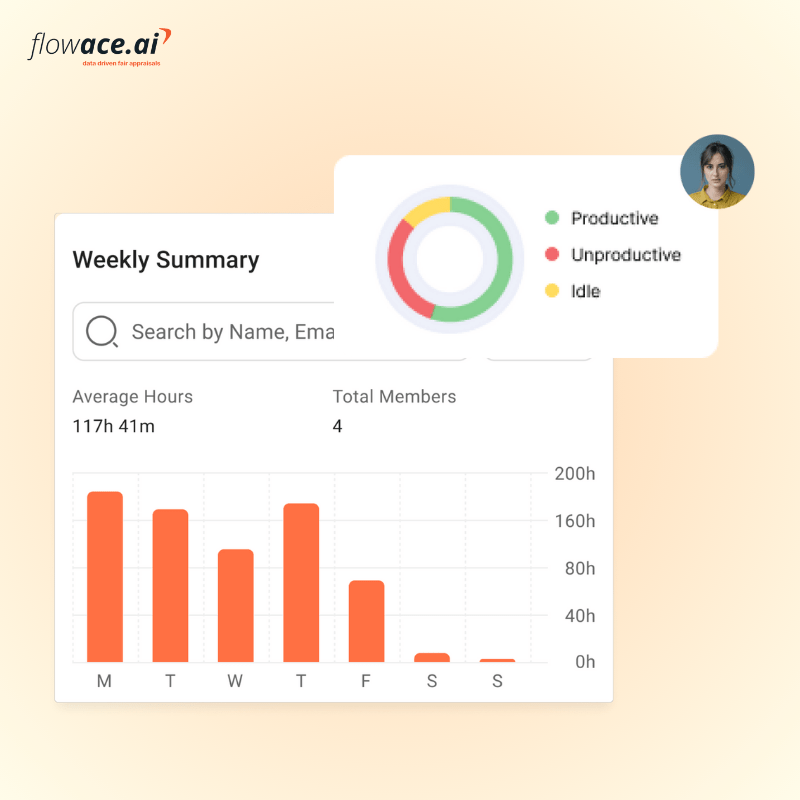
- Context-rich tools improve productivity measurement. AI-powered time tracking tools (like Flowace) help capture real work patterns without reducing productivity to raw activity counts.
For a long time, calls per day seemed like the most practical way to measure call center agent productivity. It was simple and easy to track. When calls were short, issues were predictable, and teams operated within a single system. Call volume served as a reasonable indicator of effort.
But your call center does not work like that anymore.
Today, agents handle far more complex issues. They move between calls, chats, emails, and multiple CRM systems, while also spending a significant portion of their time on after-call work, documentation, and follow-ups.
At the same time, expectations have increased. Customers demand faster resolutions and better experiences. Leadership expects higher efficiency. And agents are expected to deliver all of this without burning out.
This guide is about closing that gap. It shows you how to measure call center agent productivity in a way that reflects the reality of modern work.
The Real Problem With How You Measure Call Center Agent Productivity
The problem with call centers today is not that the agents are underperforming. It’s that the way productivity is measured is outdated.

Many call centers still rely on surface-level measures like calls per day, talk time, or average handle time, often viewed in isolation. These numbers are easy to track, so they become the default targets.
Over time, this approach encourages the wrong behaviors across the team:
Calls per Day Measures Activity, Not Contribution
Handling a high number of calls does not automatically translate to real value. It says nothing about contact center productivity or customer impact.
One agent may take many calls yet leave issues unresolved, while another may handle fewer calls but fully resolve customer problems and prevent repeat contacts.
On paper, the first agent appears more productive. In reality, the second agent reduces future workload and delivers a better customer experience.
It Pushes Agents to Optimize for Speed, Not Outcomes
When call volume becomes the primary goal, your agent’s behavior shifts in the wrong direction. Agents shorten calls, escalate complex issues, and move quickly to the next interaction. The customers are still left with unresolved problems and end up calling back.
The system ends up rewarding speed, even when it comes at the expense of customer satisfaction.
It Hides the Work That Actually Takes Time
Much of an agent’s real work happens outside the call itself: after-call documentation, case notes, follow-ups, internal coordination, and navigating multiple systems. These efforts are essential but often go unmeasured.
When this work is invisible, agents are effectively penalized for doing their jobs thoroughly. As a result, productivity data becomes incomplete and misleading.
Why Productivity Feels So Hard to Measure in Call Centers
Measuring productivity in a call center is hard because the work itself is messy and varied. Treating all calls as equal flattens important differences and produces misleading comparisons.

- Some interactions are quick and transactional, while others involve compliance requirements, technical troubleshooting, or emotional de-escalation. Treating every call the same ignores complexity and creates misleading comparisons between agents.
- An inbound support agent focused on first-contact resolution should be judged by different signals than an outbound sales rep chasing conversions. A one-size-fits-all metric set forces dissimilar roles into the same mold, guaranteeing inaccurate conclusions.
- Documentation, case notes, follow-ups, internal coordination, and system navigation take significant time. When this work goes unmeasured, productivity data becomes incomplete and misleading.
- Agents constantly switch between calls, chats, emails, CRMs, and knowledge bases. Metrics that only track call activity ignore the full scope of daily effort.
If productivity is going to be measured accurately, metrics must reflect complexity, role differences, invisible work, and human limits. Measuring thoughtfully rather than simply counting calls per day makes your agent’s performance more visible
What Call Center Productivity Should Be Measuring Instead
To measure call center productivity beyond call volume, you need to shift focus from raw activity to real contribution. That means moving away from how many calls an agent handles and toward what actually gets accomplished:
Outcomes Over Output
An agent can move through calls quickly and still leave problems unresolved. Another agent may take more time, ask better questions, and solve the issue fully the first time. The second agent creates more value, even if their call volume is lower. But when productivity is measured only by speed, agents are pushed to optimize for short-term output.
If customers don’t need to call back, that’s real productivity. It means the agent handled the issue correctly.
Effort and Time Distribution
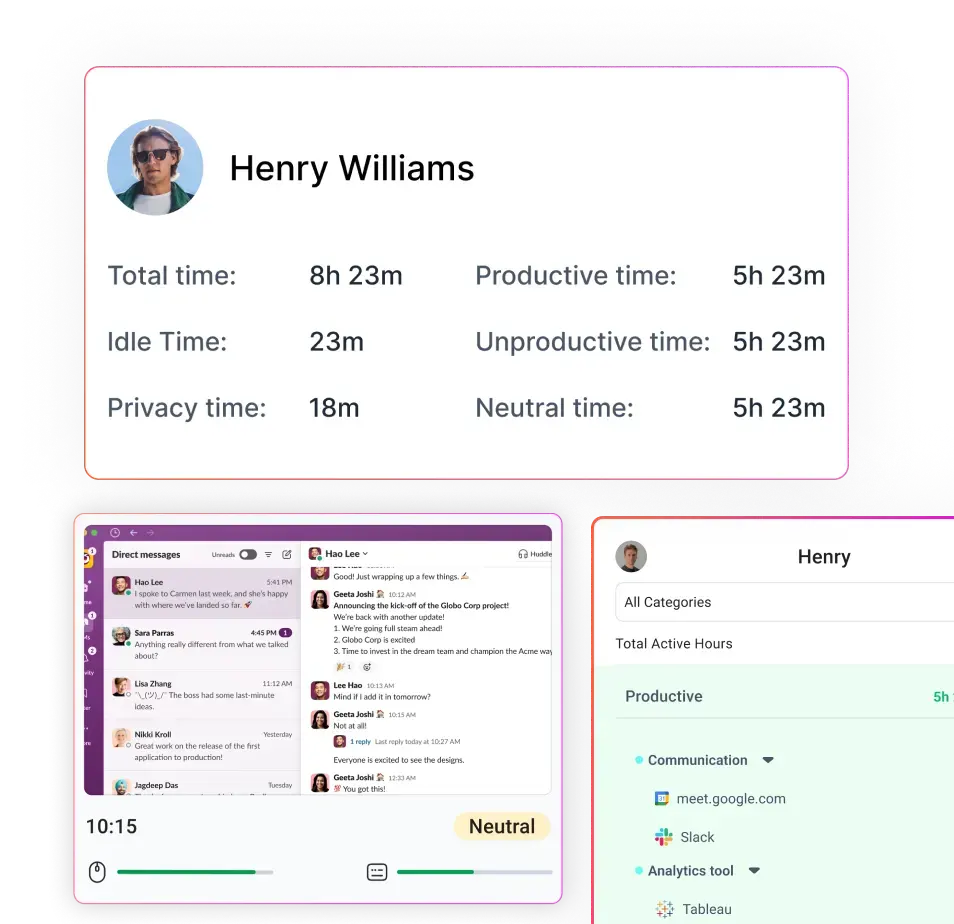
A typical agent’s day isn’t just calls back-to-back. It’s a mix of live interactions, after-call work, documentation, internal coordination, system navigation, and short idle gaps between tasks. When all of that gets lumped into a single number, like talk time or occupancy, important context is lost.
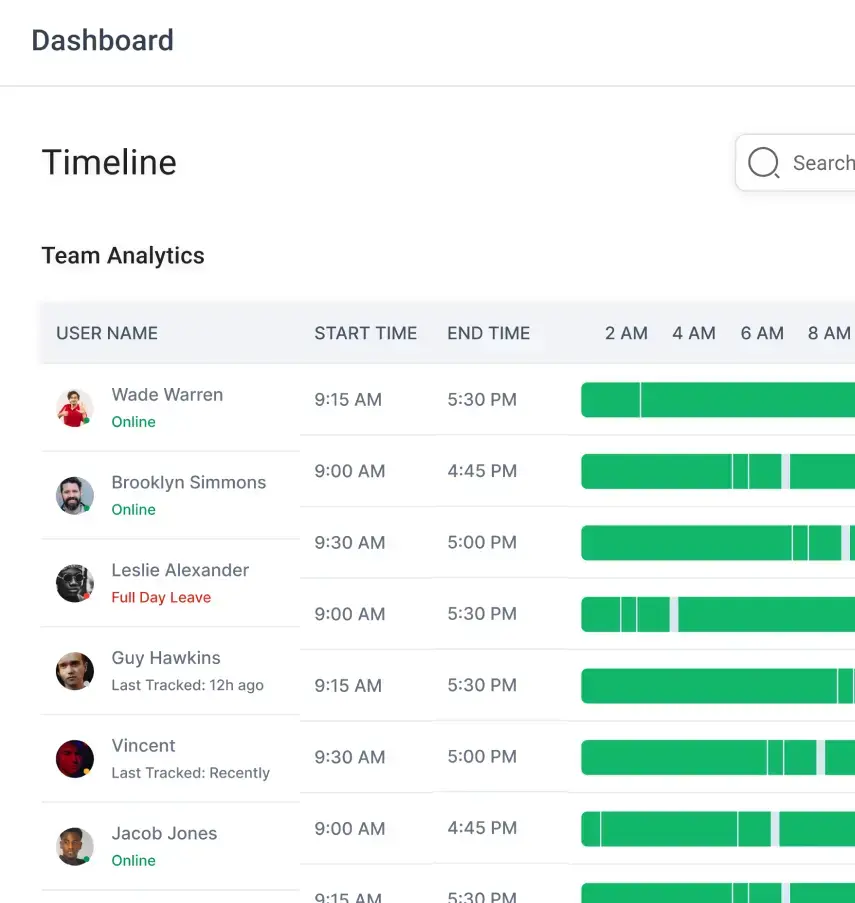
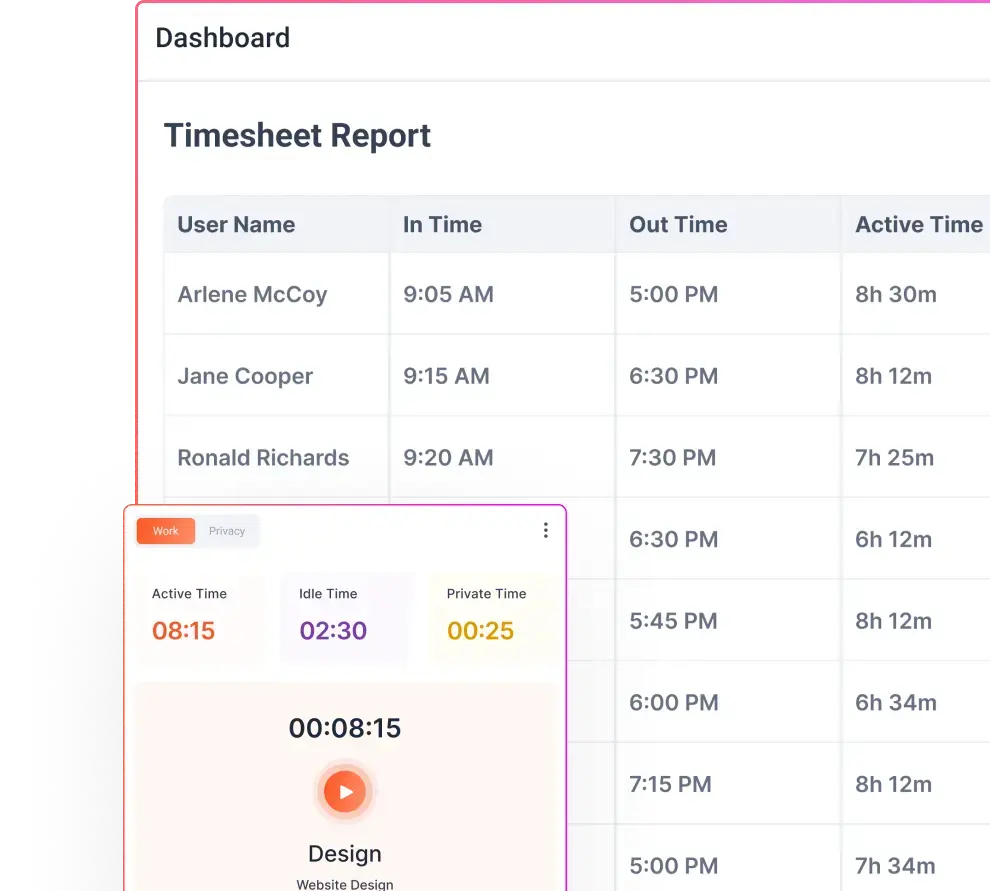
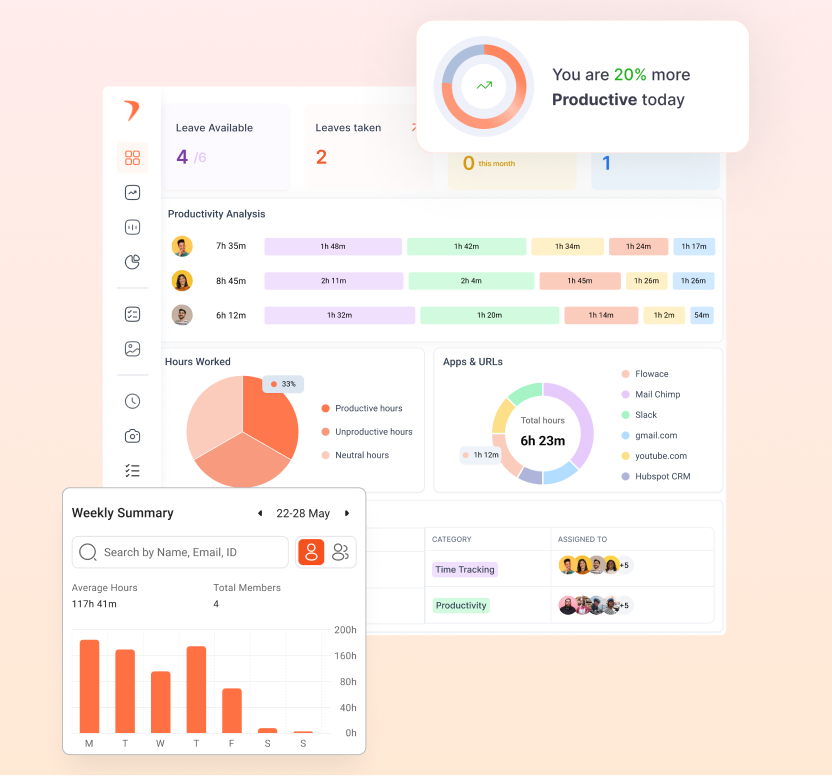
This is where workforce analytics and AI-powered time tracking become useful. It helps you get a clear breakdown of where time goes across calls, after-call work, admin tasks, and downtime. That visibility helps explain why two agents with the same call volume can feel very different in terms of workload and fatigue.
Sustainability Over Short-Term Peaks
True productivity is about steady, reliable performance that agents can maintain day after day without exhausting themselves. A slightly lower but consistent level of output almost always beats brief bursts of extreme effort followed by fatigue, attrition, or disengagement.
When teams optimize for short-term peaks, they often ignore the warning signs: rising after-call work, declining quality, or increased absenteeism. These don’t show up immediately in traditional metrics, but they’re early indicators that performance isn’t sustainable.
A better approach is to measure productivity in a way that accounts for workload balance, recovery time, and long-term quality.
How to Solve the One-Size-Fits-All Productivity Trap in Your Call Centers
One of the most common mistakes in call center performance management is treating all agents and all roles the same. Productivity cannot be measured with a single yardstick. Different teams create value in different ways, and your metrics need to reflect that reality.
Hence, productivity must align with role-specific outcomes:
Inbound Support Teams
If you’re managing inbound support agents, your productivity measures should focus on resolving issues accurately and efficiently. Track First-Call Resolution (FCR), customer satisfaction (CSAT), and Average Handle Time (AHT).
Speed matters, but only when it supports clarity and quality. A fast call that leads to repeat contacts doesn’t help your team or your customers.
Outbound Sales Teams
For outbound sales or upsell teams, call volume alone won’t tell you who’s truly productive. You need to focus on qualified conversations, conversion rates, and revenue per hour. The goal isn’t just to make more calls.
It’s to drive measurable business impact. By tracking signed deals or appointments per call hour, you get a clear picture of who’s delivering results.
Escalation and Retention Teams
Your escalation, retention, and Tier 2 agents handle the most complex issues. For them, fewer calls with higher impact often mean better productivity. Track successful resolutions, escalation avoidance, and case closure quality. These metrics give you insight into how effectively your team is handling high-stakes interactions.
Even within inbound teams, not every role is the same. Tier 1 agents might be measured on quick fixes and throughput, while Tier 2 focuses on complex case resolution. Different product lines or customer segments may also require unique KPIs. The “output” of productivity can mean calls handled, cases closed, appointments set, or issues resolved, depending on the role.
The key is setting clear, role-based expectations:
- For an outbound sales agent, measure productivity by revenue per hour, not just calls per day.
- For a technical support agent, lean on resolution quality and escalation avoidance.
- For managers, focus on team-level KPIs like CSAT, occupancy, and overall resolution rates.
When we move away from one-size-fits-all metrics and tailor KPIs to each role, we give our teams a fair measure of their performance.
Actual Productivity Metrics to Measure Call Center Agent Productivity
To fully capture your agent productivity, consider measuring the following metrics:
First-Call Resolution (FCR) Rate
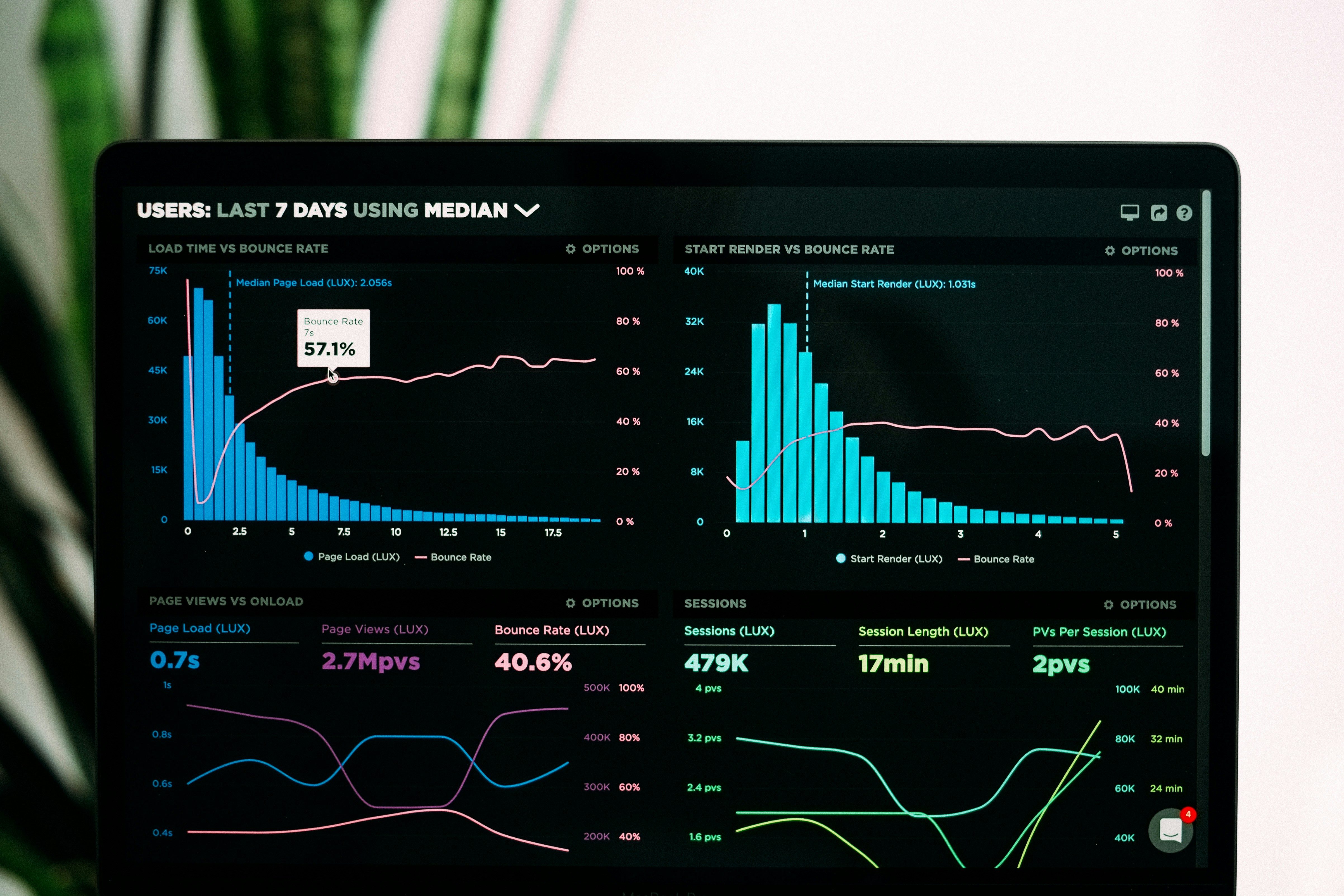
FCR measures the percentage of customer issues resolved on the first interaction. A high FCR indicates that agents are solving problems thoroughly, reducing repeat contacts, and lowering overall call volume. It’s one of the strongest indicators of agent knowledge, effectiveness, and true productivity.
Average Handle Time (AHT)
AHT captures the total time spent per interaction, including talk time, hold time, and after-call work. It’s a useful efficiency metric, but only when viewed alongside quality and customer satisfaction. Lower AHT is positive only if issues are still resolved correctly. AHT is best used for staffing models and benchmarks by call type, not as a standalone performance target.
Occupancy / Utilization Rate
Occupancy shows how much of an agent’s logged-in time is spent handling customer work. Too low suggests excess idle time; too high signals sustained overload and burnout risk. A balanced occupancy, often around 75–85%. It ensure agents are productive without being overworked.
Schedule Adherence Rate
Schedule adherence measures how closely agents follow their assigned work schedules. High adherence indicates agents are available and working as planned, which supports accurate forecasting and service levels. It’s a foundational metric for operational reliability, though it shouldn’t be confused with performance quality.
Customer Satisfaction (CSAT) and Net Promoter Score (NPS)
These metrics connect productivity back to the customer’s experience. Strong CSAT or NPS scores suggest agents are resolving issues effectively and communicating well. Efficiency metrics lose meaning if customer satisfaction declines, so these scores should always be reviewed alongside AHT and FCR.
Transfers and Escalations
Tracking how often calls are transferred or escalated helps identify gaps in agent empowerment, training, or tools. High transfer rates increase workload and frustrate customers. Reducing unnecessary transfers improves productivity by keeping more issues resolved at first contact.
After-Call Work (ACW) Time
ACW measures the time agents spend documenting and closing out interactions. Efficient ACW suggests good workflows and systems, but extremely low ACW can indicate rushed or incomplete documentation. Monitoring ACW helps balance speed with accuracy and long-term resolution quality.
Tools like Flowace automatically track ACW as part of overall productivity and time tracking, so this work is not mislabeled as idle time. That accuracy helps you balance speed with documentation quality and maintain long-term resolution standards.
How to Build a Fair and Transparent Productivity Measurement System for Call Centers
To improve performance, you need a productivity system your agents understand and trust. Here’s how to build one:
Set Clear Expectations With Agents
We can’t expect agents to perform well if they don’t know what good performance looks like. Make sure you clearly communicate which metrics matter and why. Are you tracking First-Call Resolution, CSAT, revenue per hour, or escalation avoidance? Explain the purpose behind each metric and how it aligns with team goals.
When you involve your agents in this conversation, they understand how these metrics reflect the value of their work.
Review Trends, Not Daily Spikes
It’s tempting to focus on day-to-day numbers, but daily spikes can be misleading. Instead, we should look at trends over time.
- Are CSAT scores steadily improving?
- Is First-Call Resolution holding consistent?
- Are AHT or after-call work times changing gradually?
By focusing on patterns rather than individual fluctuations, we get a more accurate picture of productivity and can identify coaching opportunities early.
Use Tools That Provide Context
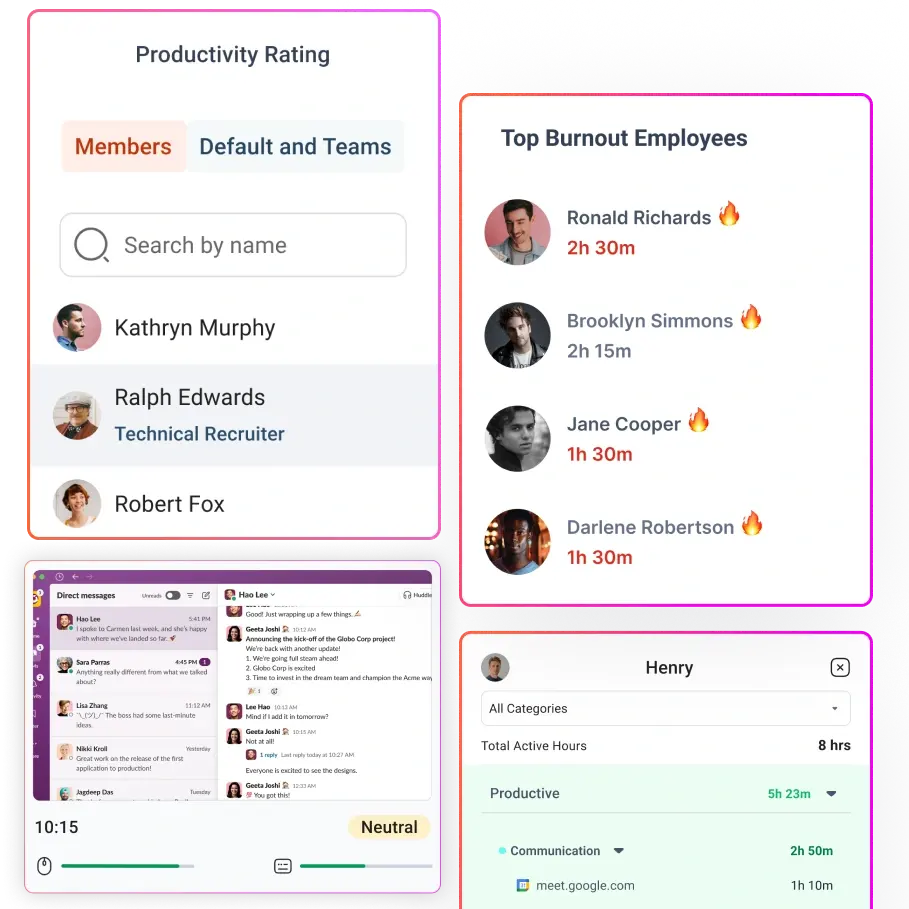
We know that monitoring tools can feel intrusive if they’re used solely to track activity. The right tools help you see context, not just numbers. They show how time is spent across calls, after-call work, and system navigation.
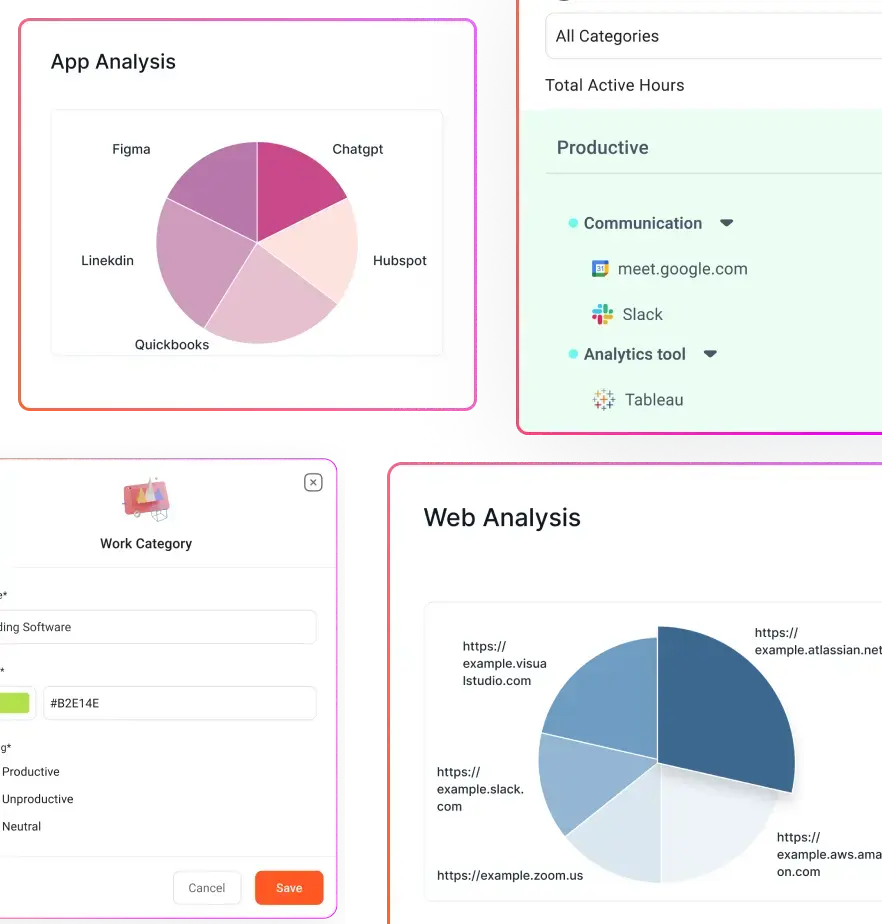
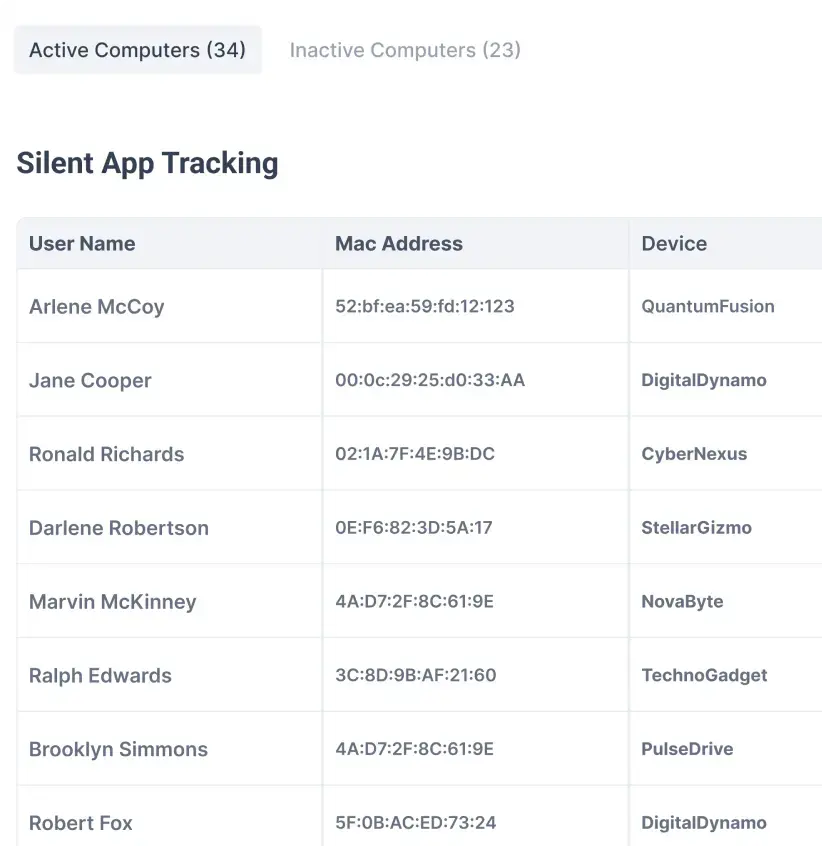
Flowace is a tool designed with this balance in mind. Instead of focusing on constant supervision, Flowace provides AI-powered time tracking that captures work patterns automatically across apps, websites, and tasks
Features like privacy mode, clear work categorization, and role-based access ensure that tracking remains transparent and respectful. Flowace helps managers see productivity insights at the team and project level, while agents retain control over their personal or non-work time.
Conclusion
Measuring call center agent productivity today is about more than calls per day. You need to focus on outcomes, role-specific performance, and sustainable effort. By tracking metrics like First-Call Resolution (FCR), CSAT, Average Handle Time (AHT), and after-call work, we can see the full impact of your team’s work.
To get it right, you should set clear expectations with your agents, review trends over time, and use tools that provide context, not just monitor activity. Tools like Flowace make this easier, offering transparent tracking and AI-powered insights while respecting privacy. When we measure productivity fairly and thoughtfully, you empower your agents to deliver better customer experiences and sustain high performance.
Ready to boost your call center’s productivity? Start your free trial with Flowace today and discover how easy it is to track, report, and improve your team’s performance.
FAQs:
What is the best way to measure call center agent productivity?
The best way is to focus on outcomes and impact, such as First-Call Resolution (FCR), customer satisfaction (CSAT), and resolution quality, rather than just raw activity.
Is calls per day a good productivity metric?
No, calls per day measures activity, not value, and ignores call complexity, resolution quality, and the work agents do outside of live calls.
How do you measure productivity without micromanaging?
By tracking trends over time, using role-specific KPIs, and relying on context-rich metrics that show how work is distributed rather than monitoring every action.
What is a good productivity benchmark for call center agents?
There is no single benchmark; productivity should be defined by role, with inbound agents focused on FCR and CSAT, sales agents on revenue or conversions per hour, and escalation teams on resolution quality.
How do you account for after-call work?
After-call work should be measured explicitly as part of total handle time and time distribution, recognizing it as essential work rather than idle time.
Can productivity tracking affect morale?
Yes, overly rigid or activity-based tracking can harm morale, but transparent, fair, and outcome-focused measurement systems tend to increase trust and engagement.