Work From Office Employee Monitoring: 7 Hidden Risks



Key Takeaways:
- Presence ≠ Productivity in 2026
Being physically present in the office is no longer a reliable indicator of performance. Managing visibility leads to rewarding appearances instead of real outcomes. - Traditional Monitoring Uses Outdated Assumptions
Old-school tools treat time and activity (mouse clicks, hours logged) as output, which doesn’t reflect how modern knowledge work actually creates value. - 7 Hidden Risks of Office Monitoring
- False productivity signals (activity mistaken for impact)
- Legal and compliance exposure (GDPR, CCPA risks)
- Amplified managerial bias through shallow metrics
- Erosion of trust and higher employee stress
- Increased data security and insider threat risks
- Misalignment with fragmented, modern work styles
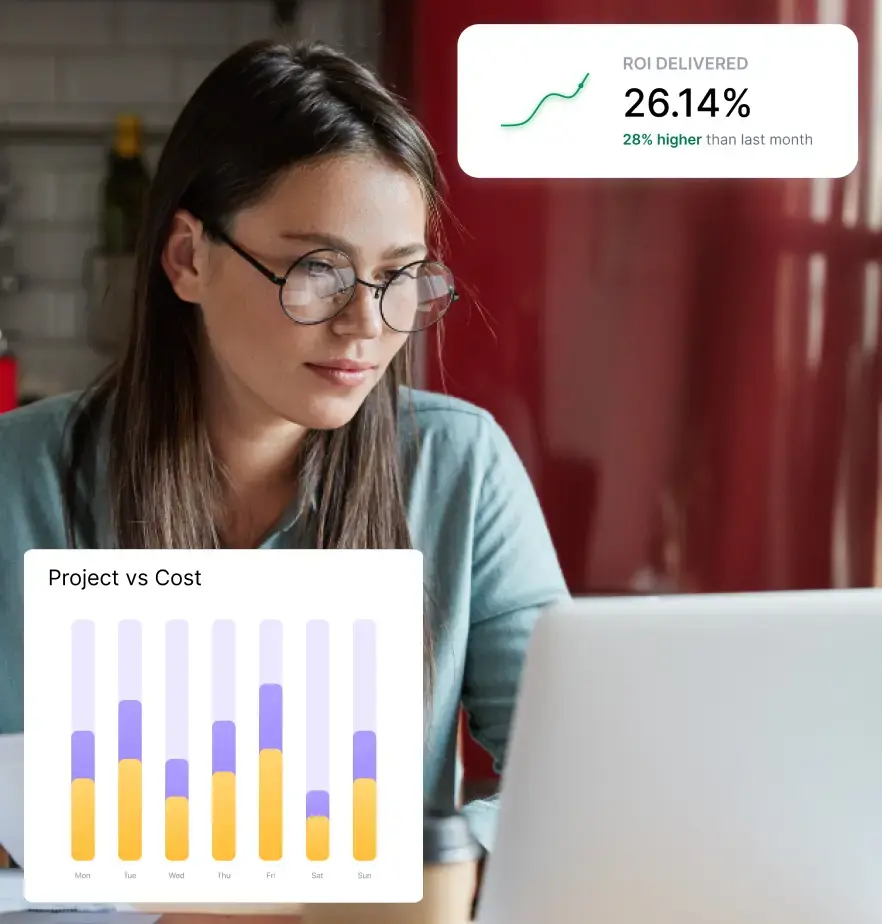
- High costs with limited ROI
- Privacy Laws Have Raised the Bar
Modern regulations emphasize data minimization, transparency, and purpose limitation. Collecting excessive employee data is no longer defensible. - Surveillance Often Backfires
Heavy tracking can increase anxiety, reduce engagement, and damage workplace culture instead of improving performance. - More Data Can Mean More Risk
Extensive screenshot logs, keystrokes, and activity histories create larger security liabilities and potential insider threats. - Modern Work Is Complex and Fragmented
Creative and strategic roles don’t fit factory-style measurement models. Interruptions, collaboration, and deep focus cycles require contextual analysis, not raw activity counts. - Productivity Intelligence Is the Shift for 2026
Forward-thinking organizations analyze trends, bottlenecks, workload balance, and outcomes instead of tracking individuals minute by minute. - Transparency Builds Trust
Employees respond better when monitoring is clear, consent-based, and shared, rather than hidden or intrusive. - Smart Companies Focus on Outcomes, Not Hours
- Track milestones and deliverables
- Use data to prevent burnout
- Share insights openly
- Involve employees in monitoring decisions
- Choose privacy-first, analytics-driven tools
- Monitoring Should Enable, Not Police
The goal is to understand how work happens and improve it—not to watch over shoulders. - Competitive Advantage Comes from Ethical, Insight-Driven Monitoring
Organizations that align privacy, analytics, and outcome-based measurement gain better ROI, stronger trust, and more accurate performance insights.
You can see why doubling down on office employee monitoring feels safe: if someone’s at their desk, you can “see” them working. But that logic breaks the moment you look closer. In 2026, presence is no longer a reliable signal of performance.
When you use visibility as a proxy for productivity, you end up managing appearances instead of outcomes. You reward those who stay late, not those who solve hard problems. You notice who’s physically nearby, not who’s quietly delivering impact. Over time, this creates distorted decisions, uneven performance reviews, and frustrated high performers.
The issue isn’t that you want insight into how work gets done. You should. The problem is how traditional monitoring frames the question. Most tools still assume work looks like it did on a factory floor: time in equals output out. But knowledge work doesn’t behave that way.
The Hidden Risks of Traditional Office Employee Monitoring
Here’s what’s actually happening when you lean on old-school office monitoring:
- Proximity bias – Managers subconsciously favor whoever is visible (in the office).
- Outdated metrics – Tools often equate mouse clicks or hours with “productivity,” which ignores creative or strategic work.
- Lack of transparency – Heavy surveillance breeds secrecy. Employees don’t trust hidden tracking.
- Regulatory pressure – New privacy laws (GDPR, CCPA, etc.) treat intrusive tracking as suspect.
- Tech explosion – Modern jobs involve diverse apps and unstructured tasks; simple “active hour” logs miss these nuances.
- Burnout & disengagement – When people feel spied on, stress rises (Slack found untrusted workers report 2.3× higher anxiety).
- High costs – Many monitoring tools charge per seat and only unlock value at scale, so ROI can be low
These root issues show why blind surveillance backfires.
How Office Employee Monitoring Has Changed by 2026
Employee monitoring didn’t jump straight to where it is today. It evolved in stages. Each stage exposed the limits of the one before it.
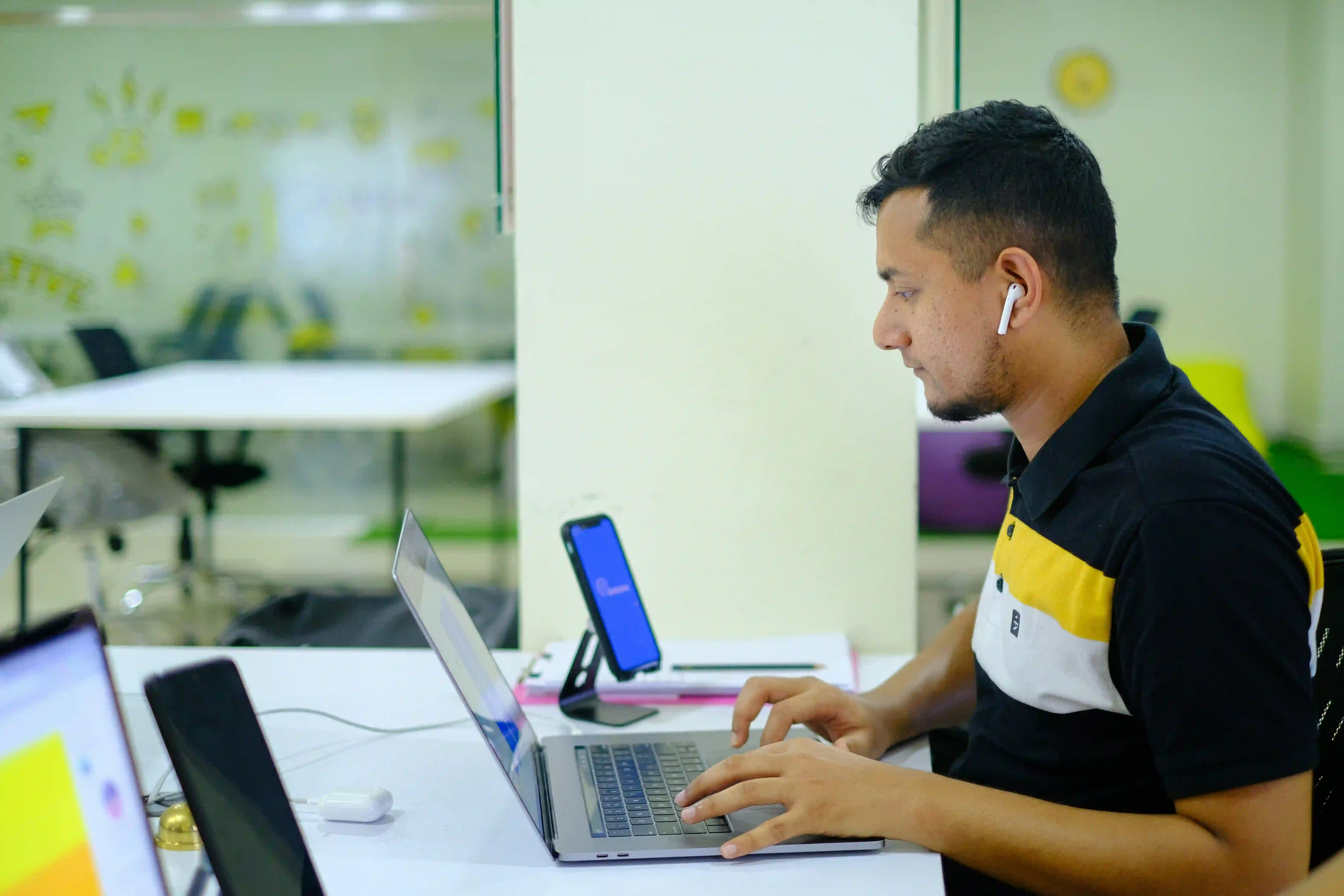
Early systems focused on raw time: punch clocks, manual timers, periodic screenshots, and keystroke logs. The assumption was simple: more time at work meant more output. For knowledge work, that assumption aged poorly.
By the 2020s, you may have adopted more “modern” monitoring, hoping activity patterns would reveal productivity. But even this only showed where time was spent, not whether that time created value. Context, collaboration, and outcomes were still missing.
What’s emerging now is a fundamentally different approach: productivity intelligence. Instead of watching individuals minute by minute, you analyze work patterns at a higher level. You look at trends, bottlenecks, focus fragmentation, workload balance, and how time connects to real business outcomes.
Tools like Flowace reflect this shift by emphasizing analytics, automation, and privacy by design.
The reason this change matters is bigger than efficiency. The legal and cultural bar has moved. Frameworks like the EU’s GDPR don’t just regulate data storage; they enforce principles like data minimization, purpose limitation, and transparency. Collecting everything “just in case” is no longer defensible. Culturally, employees expect to understand what’s measured, why it’s measured, and how it’s used.
When you adopt productivity intelligence instead of invasive monitoring, you align with both realities:
You get clearer, more actionable insight into how work actually happens.
You reduce privacy risk and rebuild trust with your workforce.
The question in 2026 isn’t whether to monitor work at all. It’s whether you’re still measuring activity or finally understanding productivity.
Work From Office Employee Monitoring: What You Should Never Measure in 2026
In 2026, you should never measure signals that invade privacy, misrepresent performance, or create more legal and cultural risk than operational value.
The purpose of monitoring is to understand how work happens. Modern privacy standards, evolving work patterns, and rising employee expectations have made certain tracking practices not just outdated, but strategically harmful.
Below are the categories that responsible organizations avoid.
1. Continuous Webcam Surveillance
Webcam monitoring should never be used as a productivity signal in office environments.
Camera-based tracking provides presence verification, not performance insight. It measures whether someone is physically visible — a metric already redundant in office settings.
More importantly, continuous video capture dramatically increases privacy exposure. Visual feeds may capture:
- Personal conversations
- Sensitive documents
- Third-party data
- Health-related information
Because video data is highly identifiable, it also carries higher breach risk. If compromised, the reputational and regulatory consequences are significantly more severe than activity logs.
2. Full Keystroke Logging Without Scope Limits
Unrestricted keystroke logging captures far more data than most productivity objectives require.
Keystroke logging can record:
- Password entries
- Personal communications
- Financial information
- Health data
- Client-sensitive material
From a compliance standpoint, this often violates proportionality. Data minimization principles require collecting only what is necessary for a defined purpose. Recording every typed character rarely meets that standard.
3. Always-On Screen Recording
Continuous screen recording creates legal exposure without delivering proportional productivity insight.
Recording entire workdays generates massive data volumes. A single employee recorded for 8 hours per day can produce hundreds of gigabytes per month depending on resolution and frequency.
This creates:
- Storage burden
- Access control complexity
- Insider threat risk
- Increased breach impact
More importantly, reviewing such footage at scale is operationally unrealistic. If managers cannot consistently review the data, its collection becomes an unjustified accumulation.
4. Raw Idle Time as a Performance Metric
Idle time alone is not a valid indicator of underperformance in knowledge work.
Modern work is fragmented. Research shows employees can be interrupted every 3–11 minutes in collaborative environments, and focus recovery can take 20 minutes or more after interruption. Measuring inactivity without context penalizes cognitive work, planning, and collaboration.
Idle time may reflect:
- Strategic thinking
- Whiteboard sessions
- Client calls
- Problem-solving away from the keyboard
- Waiting on system processes
Without contextual categorization, idle metrics misclassify high-value work as low effort.
5. Monitoring Personal Devices Without Clear Boundaries
Tracking personal devices (BYOD) without strict scope controls increases legal and ethical risk.
In Bring-Your-Own-Device environments, monitoring can inadvertently capture:
- Non-work applications
- Private messages
- Personal browsing history
This expands exposure beyond legitimate business interest. In many jurisdictions, this creates additional compliance obligations and reputational sensitivity.
If monitoring extends to personal devices, strict segmentation, work-profile isolation, and clear disclosure are essential. Otherwise, avoid it.
The 7 Hidden Risks of Office Monitoring
In this section, we break down the 7 hidden risks of office employee monitoring: the ones that affect trust, productivity, culture, and long-term ROI. We’ll look beyond surface-level metrics and understand why blind surveillance often backfires in modern workplaces.
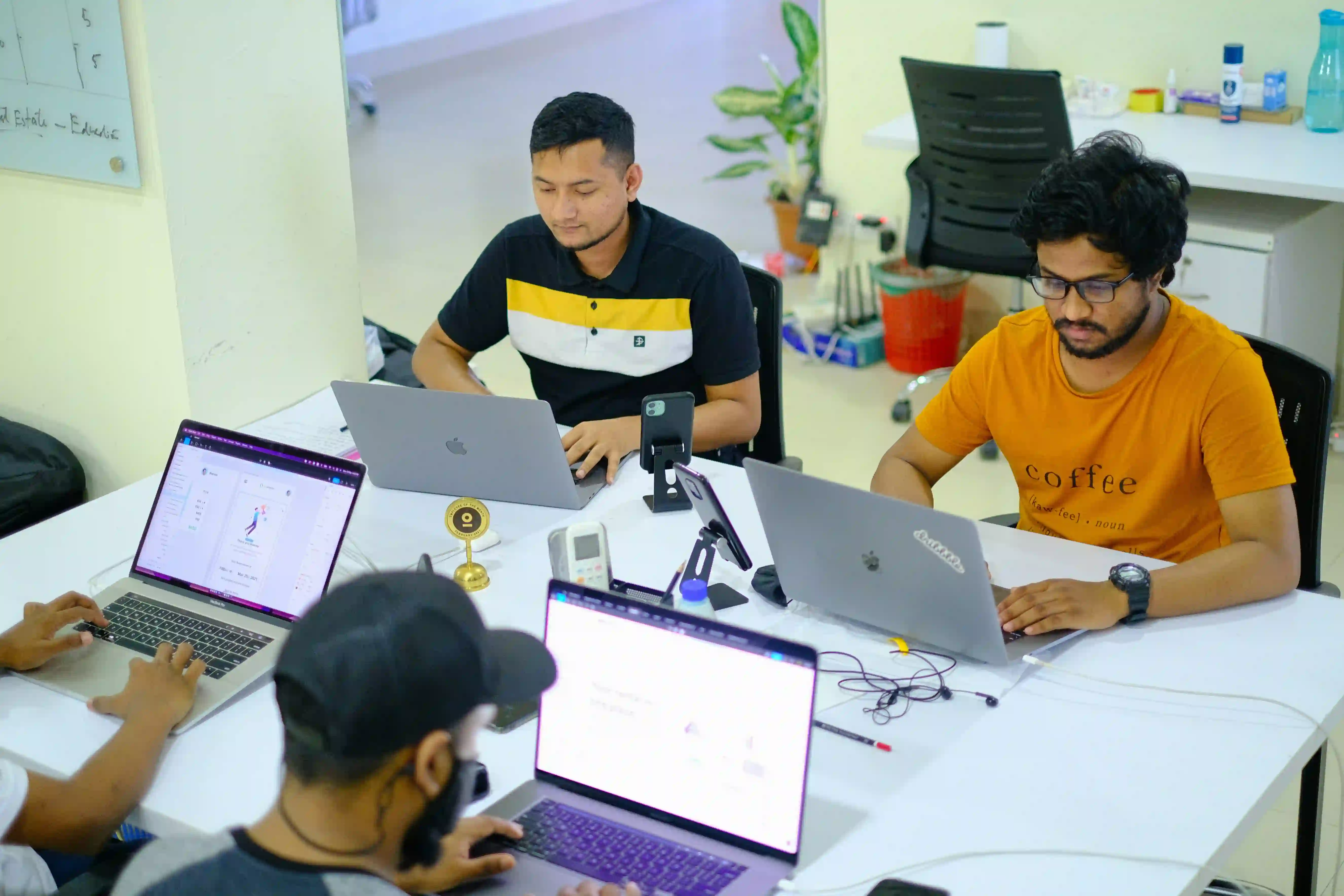
1. False Productivity Signals
False productivity signals happen when visibility is mistaken for measurable business outcomes. You often find someone at their desk all day, active on chat, jumping from meeting to meeting and yet the real work doesn’t seem to move forward. In an office, presence creates the illusion of productivity. When you can physically see people “working,” it’s easy to assume value is being created. When you rely on such visibility-based signals, you end up managing activity, not outcomes. Long hours, constant mouse movement, or full calendars start to look like performance, even when they mask under-delivery, busywork, or misaligned priorities.
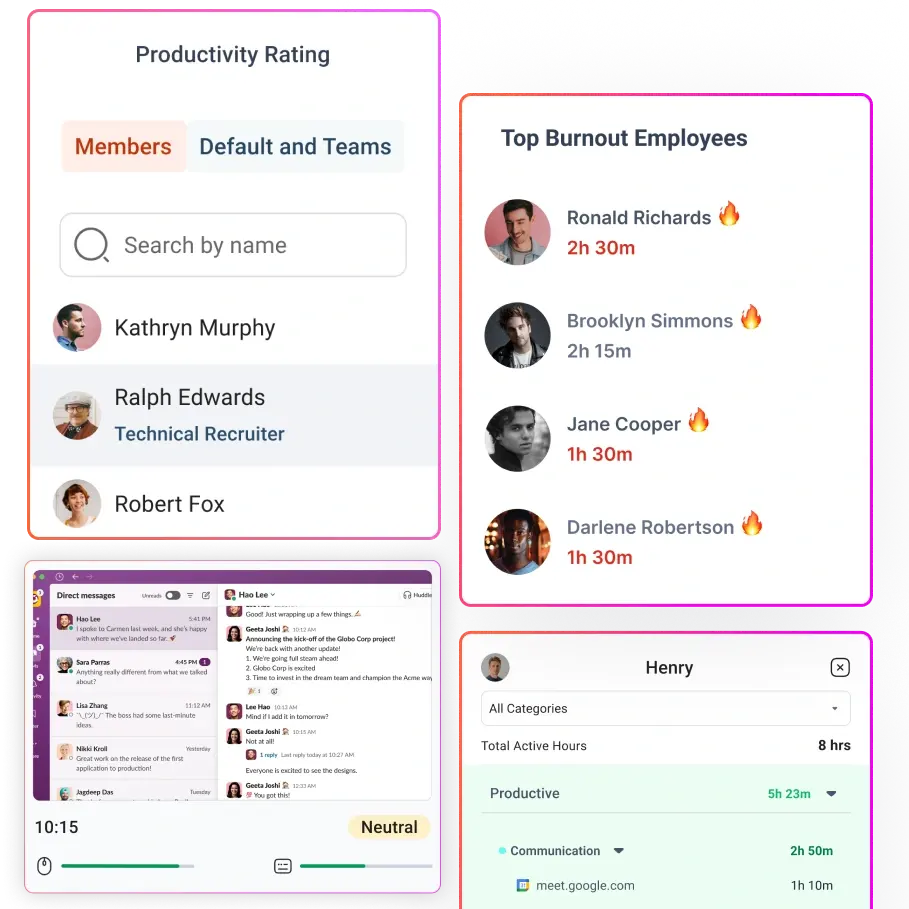
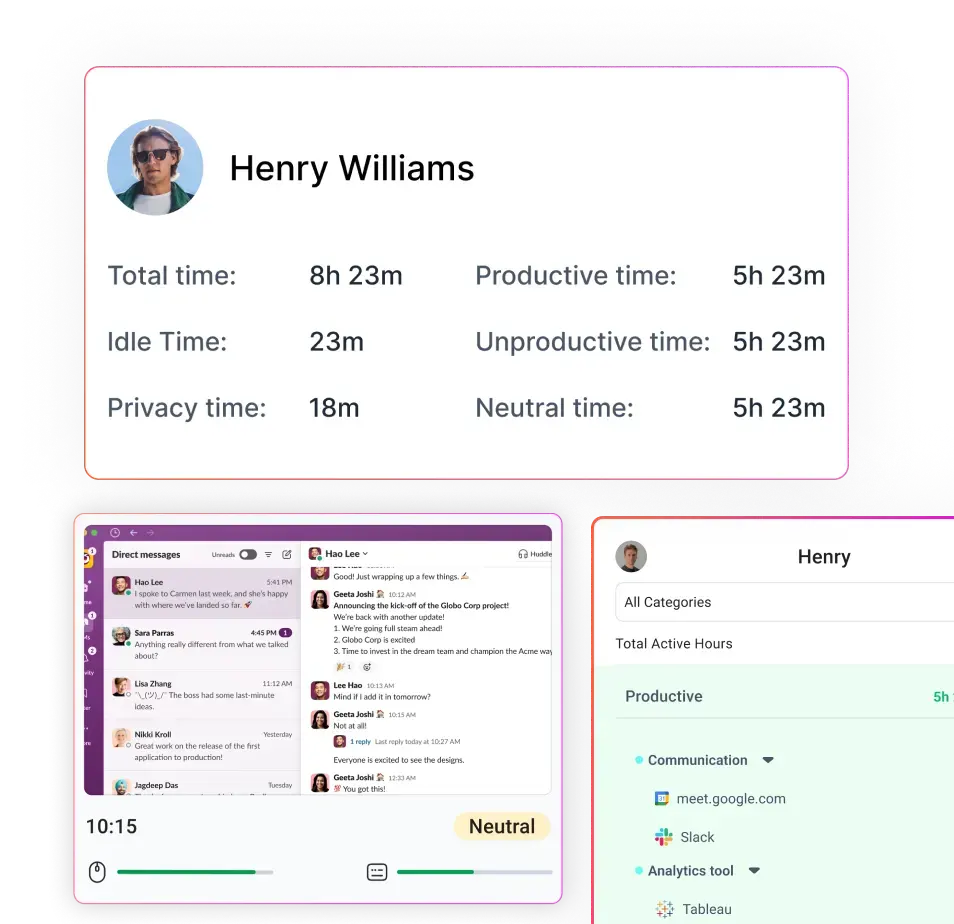
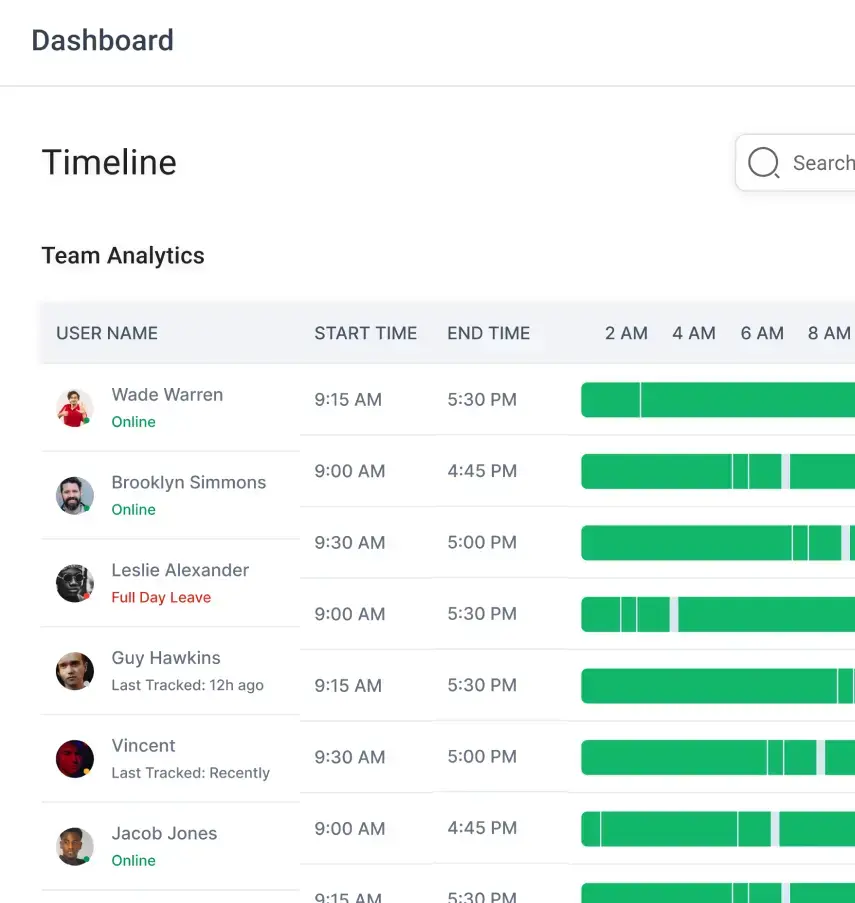
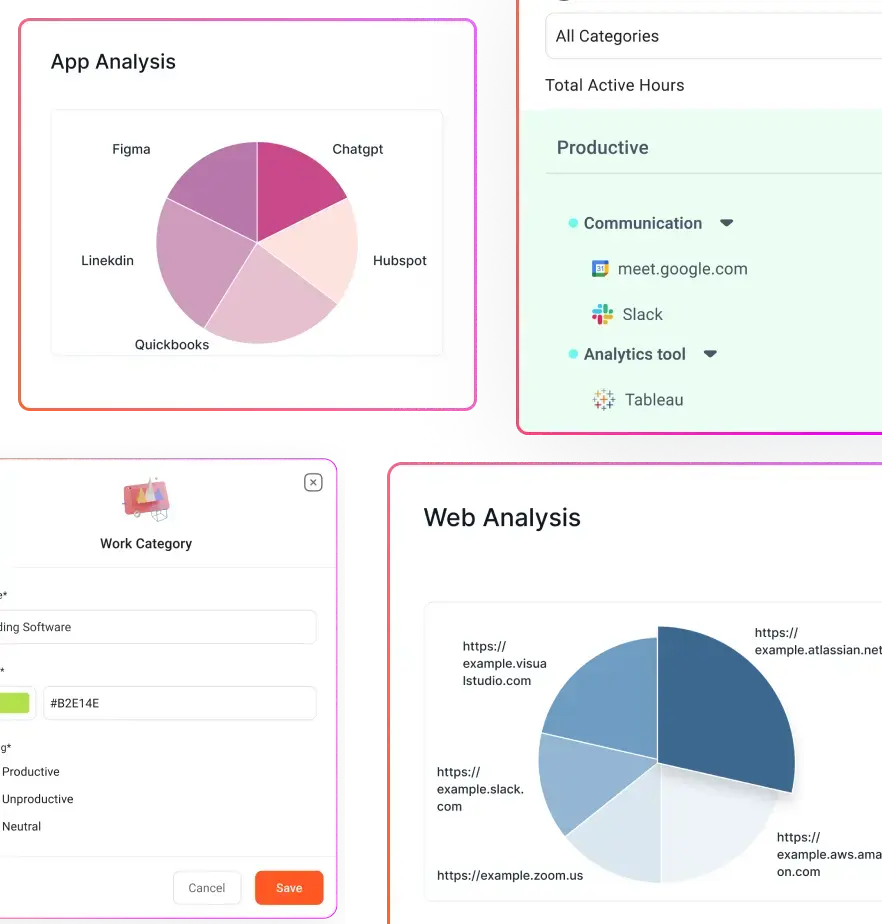
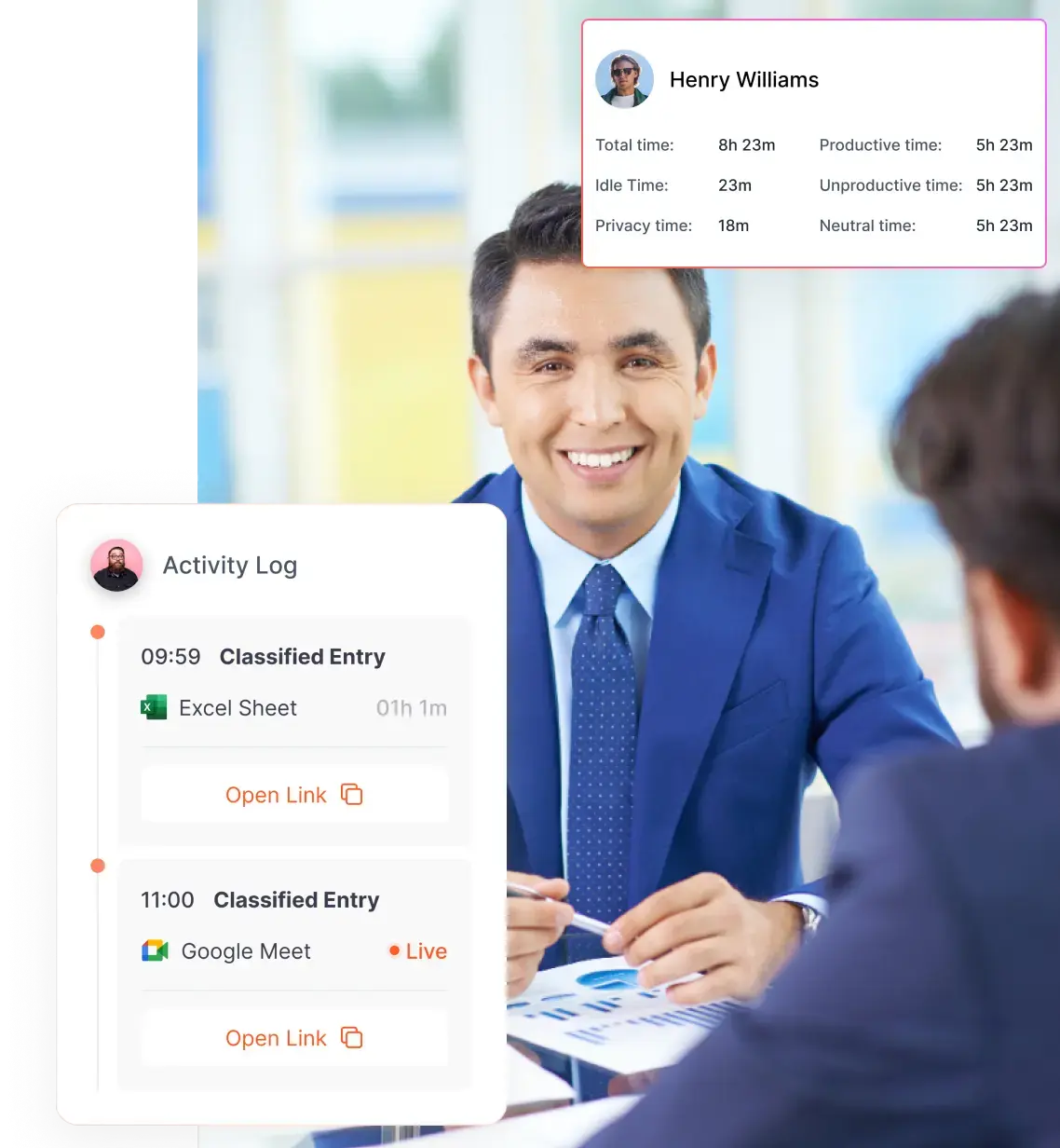
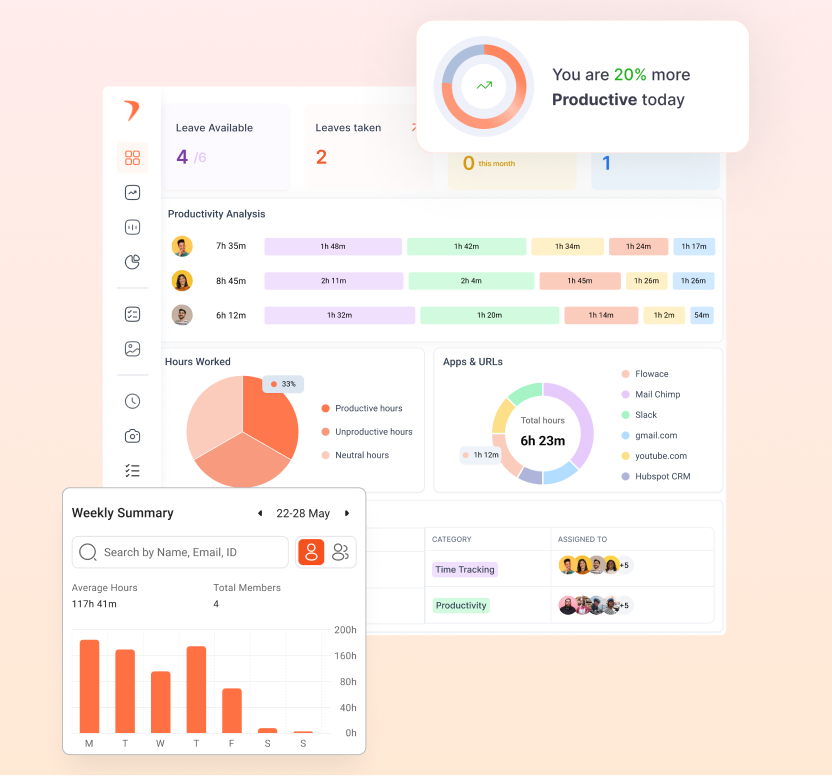
Flowace is an employee monitoring tool that changes this equation. Instead of treating raw activity as productivity, you get verifiable context around how time is actually spent. Flowace captures application and URL usage and pairs it with optional, configurable screenshots and a unified activity timeline, so you’re not guessing based on mouse movement or hours logged. You can cross-check what tools were used, for how long, and in what sequence, seeing whether someone moved from a design tool to a project board to a deliverable, or simply bounced between chat and meetings all day.
It also distinguishes productive vs unproductive app usage over time, and highlights trends (e.g. most productive days or focus periods). This means you see where effort goes, not just hours logged.
2. Privacy & Compliance Exposure
Privacy risk increases when monitoring systems collect more employee data than is necessary to achieve a clearly defined business purpose.
If you’re using traditional employee monitoring tools, you’re likely operating closer to the legal edge of employee monitoring laws. Tools that rely on constant screenshots, keystroke logging, screen recording, or webcam capture promise “full visibility,” but they also pull you straight into legal risk territory.
One employee’s screen capture can easily sweep up sensitive information like personal messages, private emails, or even data belonging to nearby colleagues. What starts as work from office employee monitoring quickly turns into accidental over-collection.
Data protection laws like GDPR and CCPA don’t just regulate how you store data, they question whether you should collect it at all. Data minimization, clear purpose limitation, and informed consent are now baseline expectations in any organization.
Many legacy surveillance tools struggle here, because their value proposition depends on collecting everything “just in case.” Constant screenshots are a common example: they frequently capture private or irrelevant information, exposing you to compliance issues and employee complaints.
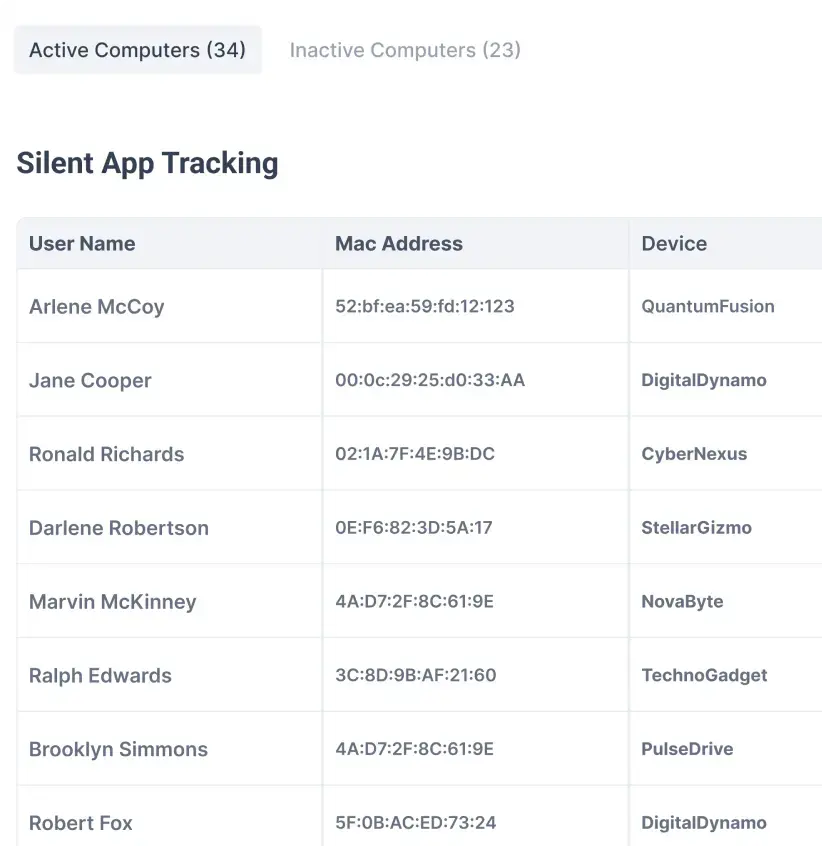
But Flowace takes a fundamentally different approach here. You’re not forced to choose between insight and compliance. Flowace is built as a privacy-first monitoring software. It does not use webcams or keyloggers, and it limits data collection strictly to work-related signals.
A key difference is that you stay in control of when screenshots are used. With Flowace, screenshots are configurable and optional, not a default always-on feature. You can enable them only when there’s a clear operational need.
3. Managerial Bias Amplified by Data
Monitoring amplifies managerial bias when dashboards elevate visible activity metrics over role-specific outcomes.
When you rely too heavily on dashboards from traditional monitoring tools, it’s easy to mistake what’s measurable for what matters. Hours logged, activity scores, or a single “productivity rating” start to carry more weight than outcomes. Such productivity scorecards compare people using flat metrics.
Someone facilitating a whiteboard session or onboarding a new hire may look “less productive” on paper than someone clicking through repetitive tasks all day. That distortion exists in hybrid teams already, and it doesn’t disappear just because everyone is in the office. In fact, many managers admit they still struggle to evaluate performance fairly when they lean on raw activity data.
Flowace is designed to prevent that trap. Instead of forcing everyone into the same productivity mold, you can customize benchmarks by role, team, or function, so you’re comparing like with like. Its analytics give you context by showing how time is distributed across focus work, meetings, collaboration, and execution.
4. Erosion of Trust & Engagement
Trust erodes when monitoring is perceived as hidden, excessive, or punitive rather than transparent and developmental.
When people feel watched, they don’t work harder; they retreat. Monitoring in office environments can make employees feel controlled rather than supported.
The data makes this hard to ignore. Slack’s workforce research shows that one in four desk workers feels untrusted by their employer. The gap between trusted and untrusted employees is stark: people who feel trusted report twice the productivity and four times the job satisfaction, while those who don’t experience 2.3× higher stress levels.
Ironically, office-based teams often feel more policed than remote ones. Their routines are constantly visible and when that visibility is layered with heavy tracking, it creates a sense of constant scrutiny.
Flowace is designed to reverse that dynamic. The platform operates transparently, giving employees visibility into their own data — app usage, time spent on projects, focus patterns, and productivity trends — so there are no hidden scores or surprises. That transparency changes how data is received.
Daily summaries help individuals understand when they do their best work, while managers see trends that spark constructive conversations, all with clear consent. When monitoring shifts from control to collaboration, data becomes a shared tool for improvement rather than a source of distrust.
5. Data Security & Insider Threats
Security risk increases in proportion to the volume and sensitivity of monitoring data stored.
There’s a paradox in traditional employee monitoring that’s easy to miss: the more data you collect, the more risk you create. Monitoring tools often accumulate detailed work logs, full application histories, and frequent screenshots.
Shared networks, communal devices, and broader internal access make it easier for insiders or malware to reach sensitive monitoring data. If a compromised account exposes not just one system but every employee’s activity history or screen captures, the blast radius is enormous.
Flowace reduces this risk by capturing only what’s necessary to understand productivity. All data is stored centrally, encrypted, and protected with strict access controls. Flowace also integrates with single sign-on and enterprise security frameworks, so permissions are tightly managed and auditable.
The result is a privacy-first monitoring software that gives you real insight without creating a honeypot of employee data.
6. Misalignment with Modern Work
Factory-style monitoring fails when applied to fragmented, cognitive, and collaborative knowledge work.
If you look closely at how work actually gets done today, it’s clear that most monitoring tools are measuring the wrong metric. When you apply factory-style metrics to roles like developers, designers, analysts, or writers, you end up misreading some of the most valuable work as “idle” or unproductive.
The reality is that modern workdays are fragmented. Research has shown that employees are interrupted constantly by meetings, messages, and notifications, and that a large share of collaboration now happens ad hoc rather than on neatly scheduled calendars.
Many people describe their days as chaotic, stitched together from short bursts of focus rather than long, predictable blocks. In this environment, simplistic metrics like “active hours” or uninterrupted screen time are complete misleads.
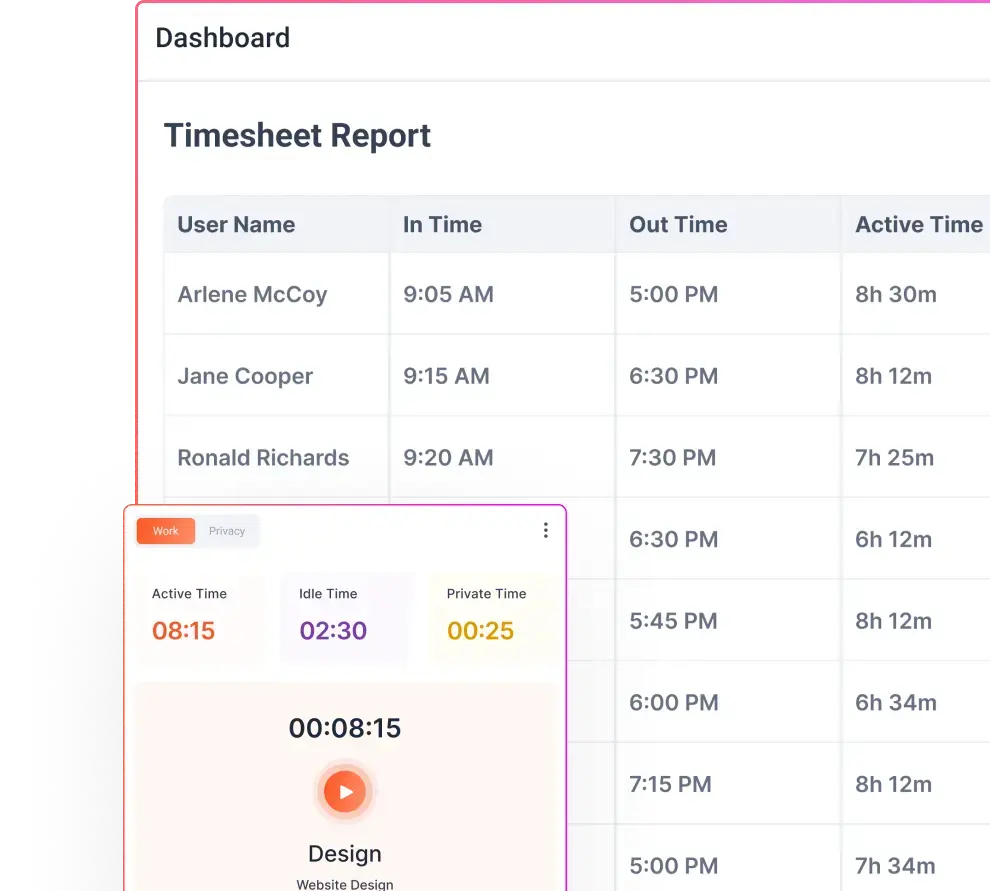
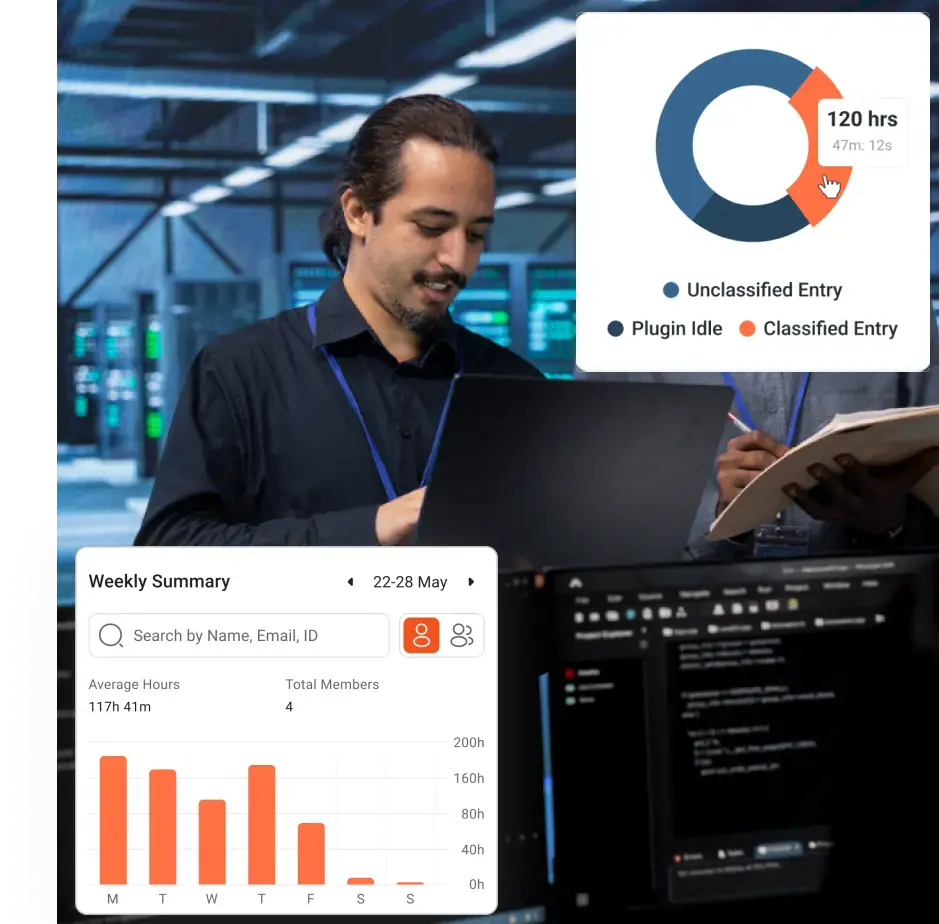
To address the misalignment with modern work, Flowace is designed to work with the context. Which means, you see how effort translates to real contribution, not just logged time. Flowace’s automated timesheets and productivity analytics dashboards give you a broader picture of how time is distributed across focus work, meetings, collaboration, and project-specific activities, rather than false indicators like mouse movement.
You can also customize work categories and benchmarks so roles with different work styles (creative, strategic, collaborative) are evaluated fairly against their own expected output patterns.
7. High Cost, Low ROI Monitoring
Many legacy monitoring suites are pricey and complex. They often require per-seat licenses plus add-ons (screen video, timesheet exports, etc.). Adaptation to a new tool is also burdensome. When a tool feels intrusive, clunky, or burdensome, employees don’t engage with it.
In many organizations, expensive surveillance software delivers marginal productivity gains at best. At worst, unused features quietly drain budget while teams disengage. This is a common but overlooked employee monitoring risk, especially in office-first environments where scale magnifies cost.
One of the standout advantages of Flowace is its simple pricing structure. Flowace pricing is designed to be predictable, so you know exactly what you’re paying for from day one. Even the basic plan includes all essential capabilities like activity tracking, screenshots, project reports, and analytics without forcing you into constant upgrades. So, it is easy to roll out across teams without turning monitoring into a budget line item that needs defending every quarter. Because Flowace is easy to deploy and intuitive to use, adoption happens naturally. Teams don’t need heavy onboarding, and managers don’t need to justify why the tool exists.
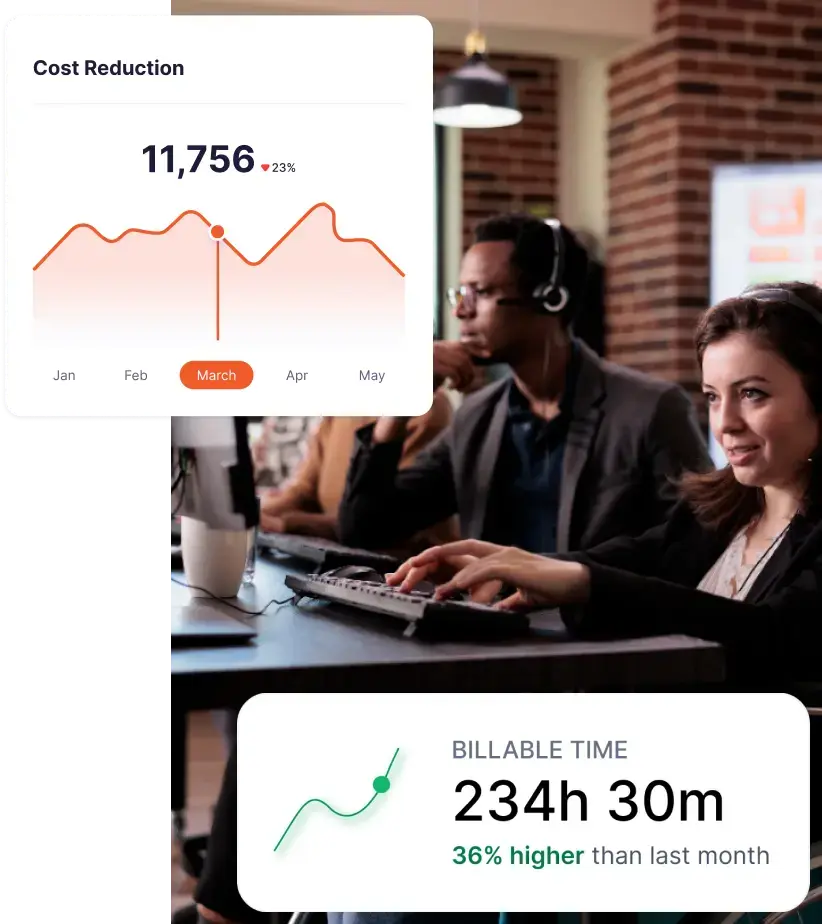
The result is monitoring that earns its keep. You spend less, reduce waste, and get employee productivity data that supports better decisions.
What Smart Companies Do Differently
Forward-thinking organizations have moved from “policing people” to “understanding work.” Instead of obsessing over every minute, they look at trends and bottlenecks. They ask:
- Where are teams overloaded?
- Where is collaboration lagging?
- How can we preempt burnout?
The answer lies in aggregated data and team-wide patterns. For example, rather than flagging someone for “too many breaks,” a manager might notice a whole team’s focus time dropping and decide to redistribute tasks. Rather than forcing all tasks into rigid time slots, they measure outcomes (project milestones met, customer feedback, revenue per employee).
As a quick checklist, smart teams:
- Focus on outcomes: Track goals, project progress, and deliverables instead of raw hours.
- Promote transparency: Share analytics with employees so data drives coaching, not policing.
- Prioritize well-being: Use monitoring to spot signs of overload (e.g. less break time) and act, preventing burnout.
- Involve employees: Get buy-in by explaining why you collect data and how it’ll help them.
- Embrace ethical tools: Choose platforms designed for privacy-first, AI-driven insights (like Flowace), not bare-bones surveillance.
Conclusion
As we’ve seen, treating the office like a factory floor of hours creates seven major hidden risks: false signals, legal pitfalls, bias, mistrust, data security gaps, misaligned metrics, and wasted budget. In 2026, the winners are those who monitor employees the right way. They respect privacy, heed modern work patterns, and focus on outcomes over over-the-shoulder watching.
In this model, monitoring empowers without intruding on your workflow. That’s how winning organizations operate in 2026: by respecting privacy, measuring real outputs, and equipping managers with insights to support their people.
Ready to see the difference? Explore Flowace’s approach for yourself. Start a free trial or a free product walkthrough to experience how productivity analytics can replace invasive tracking – and turn hidden risks into strategic wins.
FAQs:
1. What is Work From Office Employee Monitoring in 2026?
Work From Office Employee Monitoring refers to tools and systems used to track employee activity in physical office environments. In 2026, it has shifted from tracking raw activity (hours, clicks, screenshots) to analyzing productivity trends, workload balance, and measurable outcomes.
2. Is Work From Office Employee Monitoring still necessary if employees are onsite?
Yes, but the purpose has evolved. Monitoring is no longer about physical visibility. Instead, it helps identify bottlenecks, workload imbalances, collaboration gaps, and performance trends that aren’t obvious just because someone is present in the office.
3. Why is presence no longer a reliable productivity metric?
Physical presence doesn’t guarantee meaningful output. Employees can appear busy—attending meetings, sending messages, or logging long hours—without driving measurable results. Modern performance evaluation focuses on outcomes, not visibility.
4. Is employee monitoring legal in office environments?
Generally, yes—if implemented transparently and in compliance with local laws. Regulations such as GDPR and CCPA require data minimization, clear purpose limitation, employee awareness, and secure data handling practices.
5. Does employee monitoring reduce trust?
It can, especially when tracking is hidden or overly invasive. Studies show employees who feel untrusted report higher stress and lower engagement. Transparent, consent-based monitoring models help mitigate this risk.