How Cliantha discovered 35% of clinical capacity hiding in their own timesheets
Cliantha ran clinical trials across three countries under four regulators. Albeit, their compliance records were only held together by manual efforts, spreadsheets and memory.
Try Flowace Free
About Cliantha Research
Cliantha Research Limited runs clinical trials across India, the US, and Canada for global pharma and biotech sponsors. Their output, BA/BE trials, regulatory submissions, pharmacovigilance, is reviewed by USFDA, WHO, MHRA, and Health Canada. In this industry, science earns approval, and the records prove you earned it.
A CRO that answered to 4 regulators was tracking 1,500 people on Excel
The week before a regulatory inspection, the clinical work was never the concern. The concern was the paperwork. Coordinators across three countries would start pulling attendance logs, cross-referencing spreadsheets, and chasing timesheet entries that should have existed weeks ago. What took the clinical team months to build could hinge on records assembled in days.
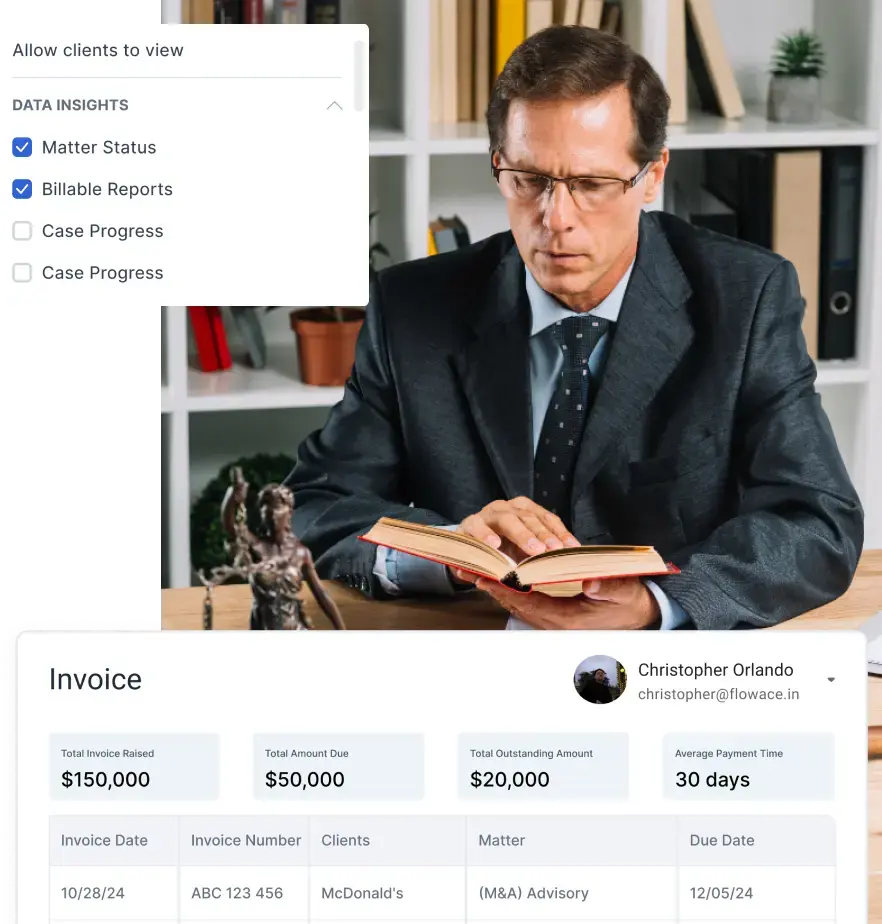
Beneath that recurring scramble, Cliantha had no system that mapped hours to studies in real time. Billing for completed study milestones, with each one representing contractual, auditable revenue depended on hours reconstructed after the fact.
A compliance gap hiding in plain sight
Cliantha’s logs were manual, fragmented across geographies, and rebuilt under pressure before every review. Each inspection was a reminder that the risk lived in the process.
Revenue that existed only on paper
Every completed study milestone was billable, but the hours behind it were being estimated. Overloaded teams missed timelines. Underutilised teams ran up costs without output. The records that should have protected it weren’t.
Resourcing decisions made in the dark
How long does a regulatory submission actually take? Which team has room for a new study? Cliantha’s leadership couldn’t answer either question with data. Capacity planning without concrete data was akin to shooting in the dark.
“Our actual SLA adherence was 81% against a reported 93%. Flowace showed me exactly which process steps were causing it. Today we're genuinely at 94% SLA adherence, and I can prove it.”

Records that hold up, and capacity that shows up.
Audit prep became an export. The hours it used to consume went back to study delivery.
Less time preparing for audits
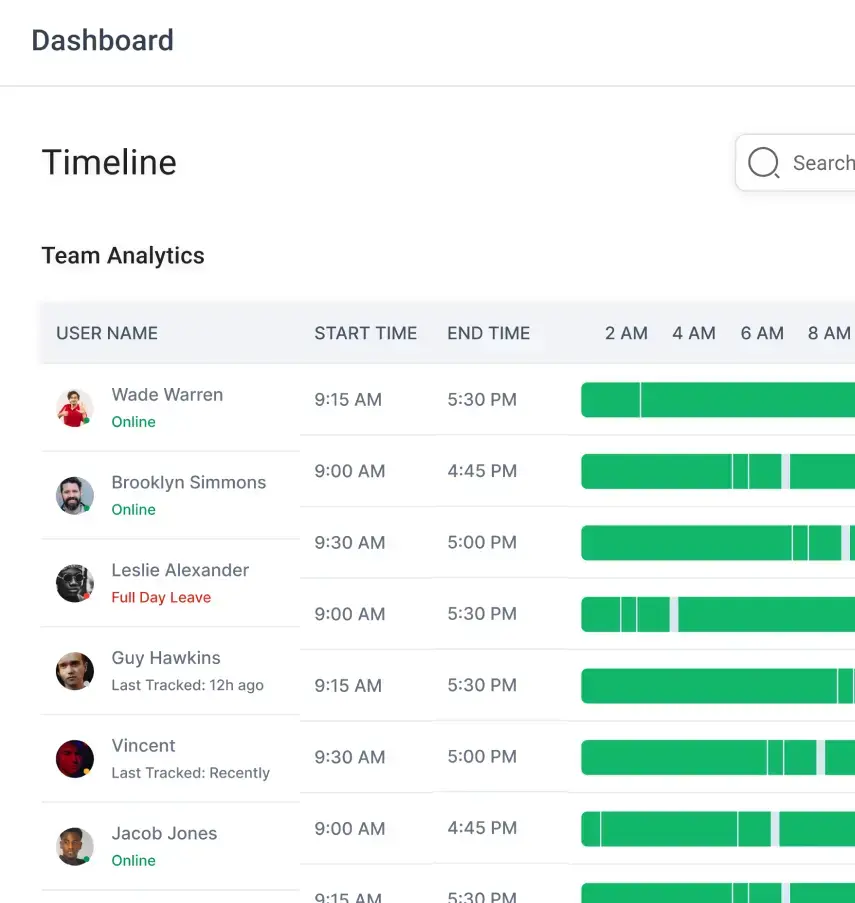
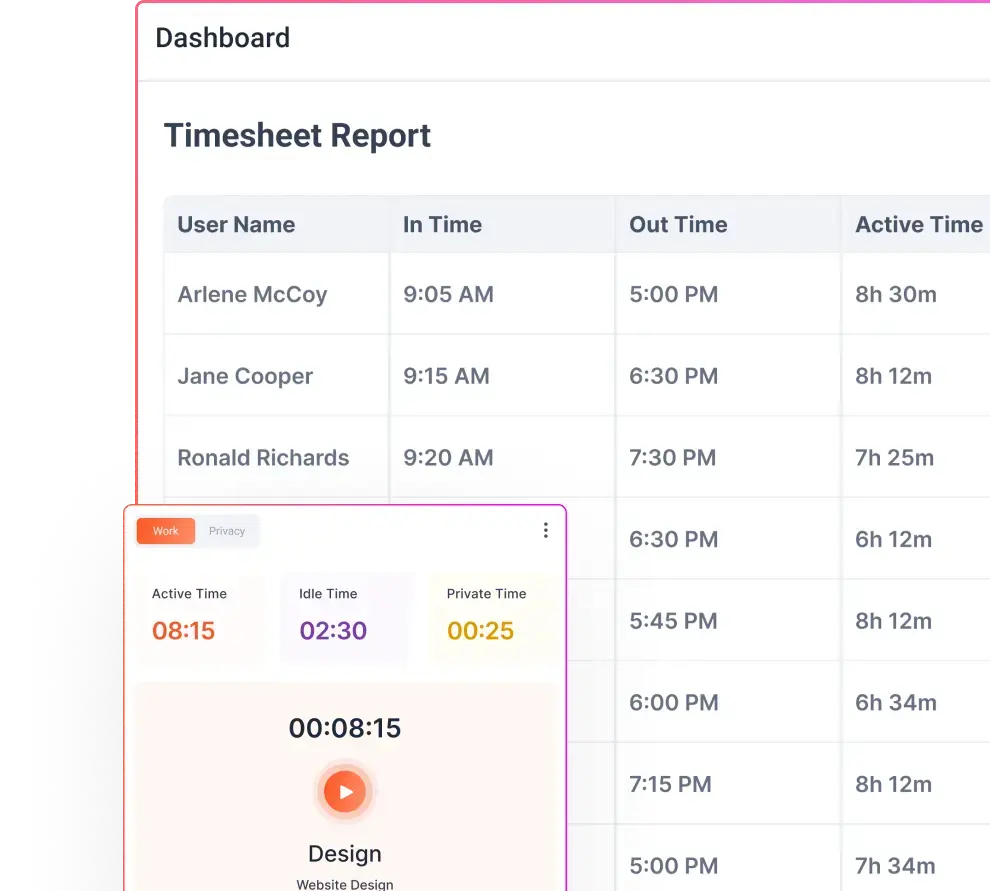
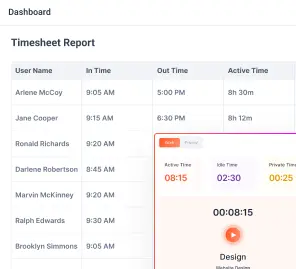
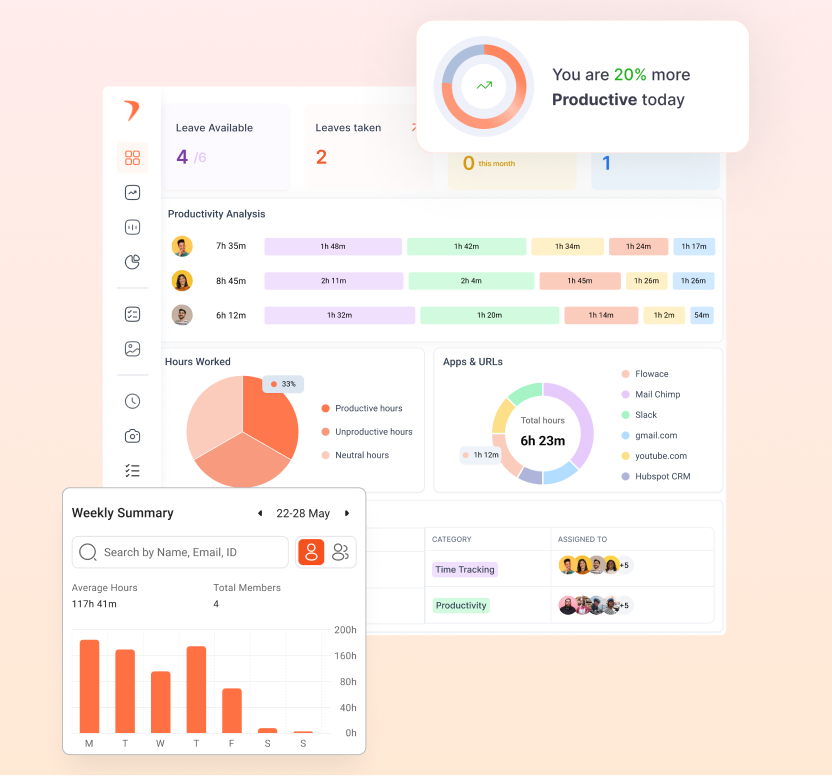
Study, task, and staff-level logs now build continuously. When a regulatory review arrives, the record is already complete in real time.
Less effort
Previously time-consuming manual reporting effort, replaced by live automated dashboards
per manager
Saved hours returned each week, previously spent chasing timesheets
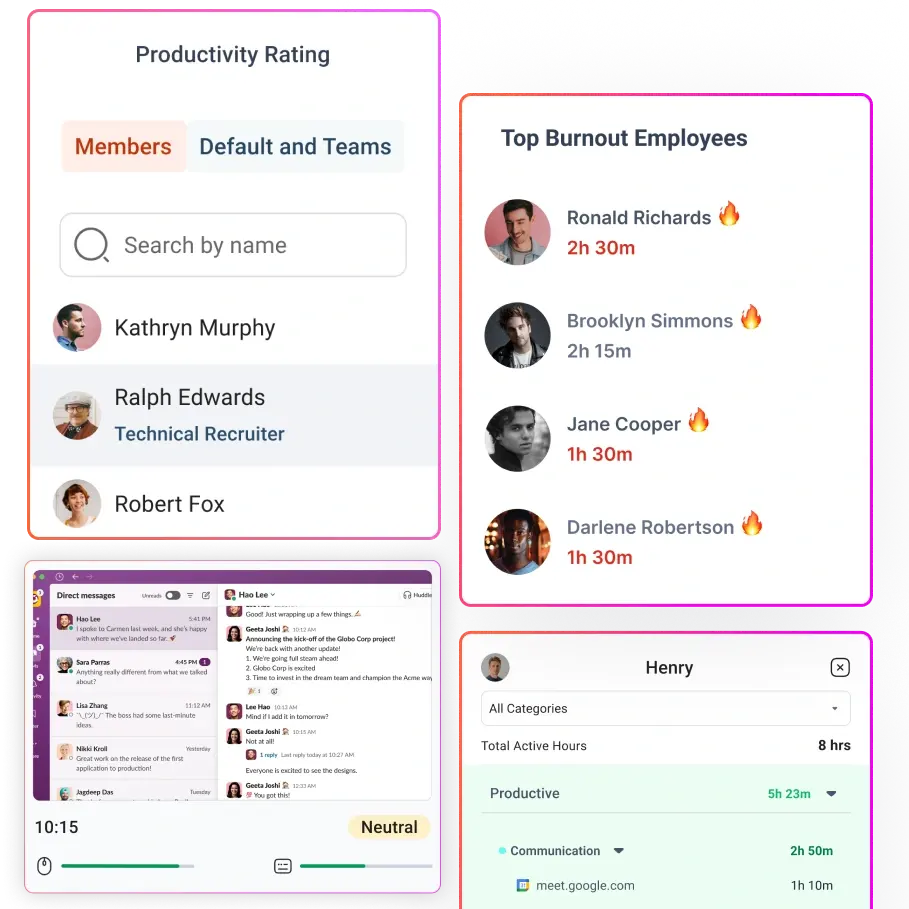
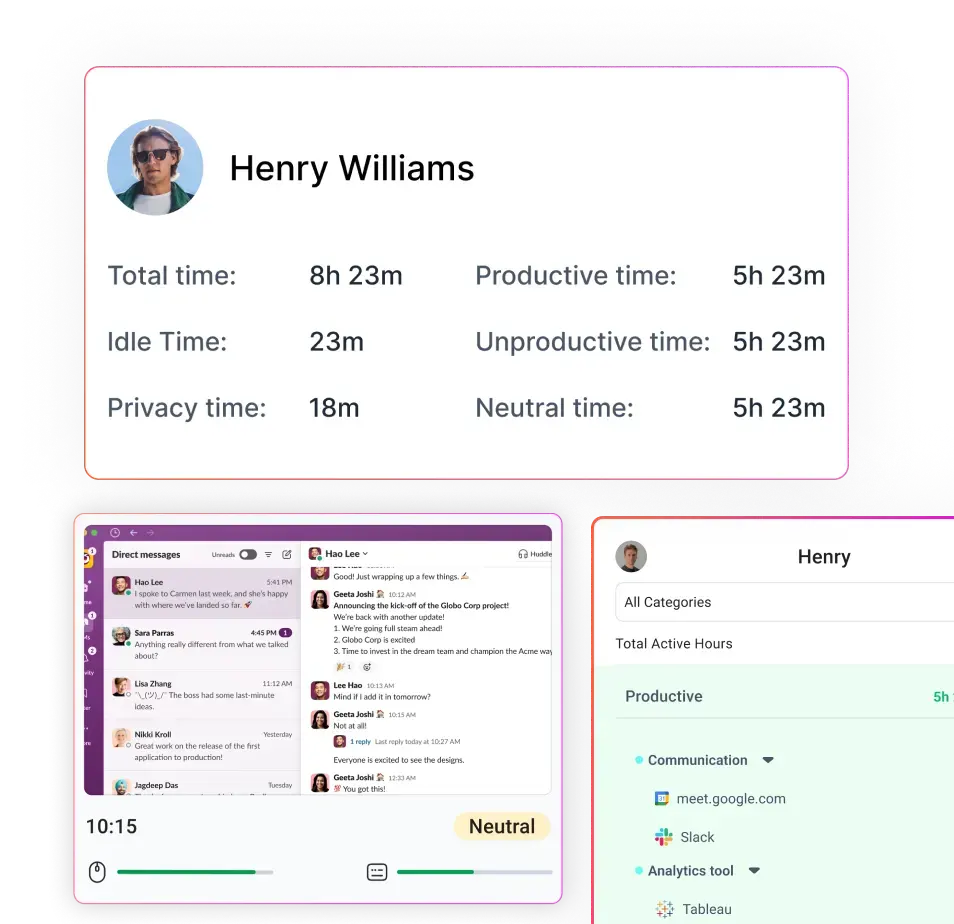
Cliantha had the clinical and structural capability to take on more work. What was missing was proof of it to plan workload, on where hours were going, which teams had capacity, and whether their records would survive the next inspection. Flowace ruled out the guessing game and made 1,500 people’s work visible, and billable for the first time.
Your next audit is already in motion. Are your records keeping up?
Most CRO operations teams find a 20–35% gap between scheduled capacity and study-facing work in their first two weeks on Flowace. The question is whether you find it before your next inspection.
- 7-day free trial
- No Credit Card Required
- Live in under 5 minutes.