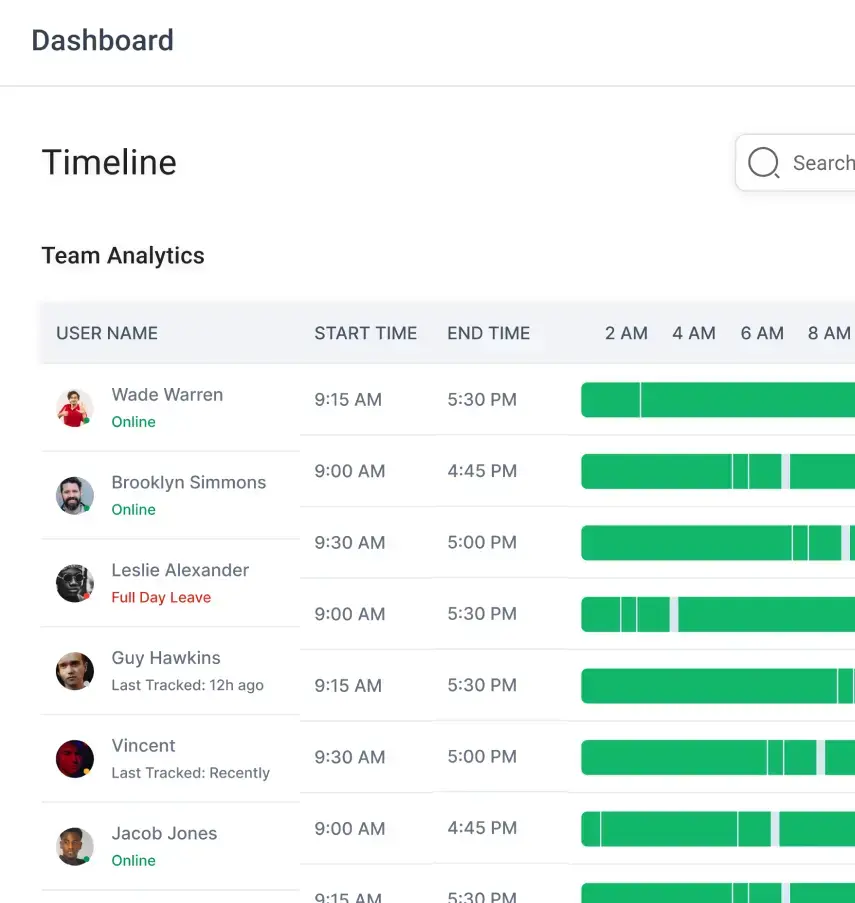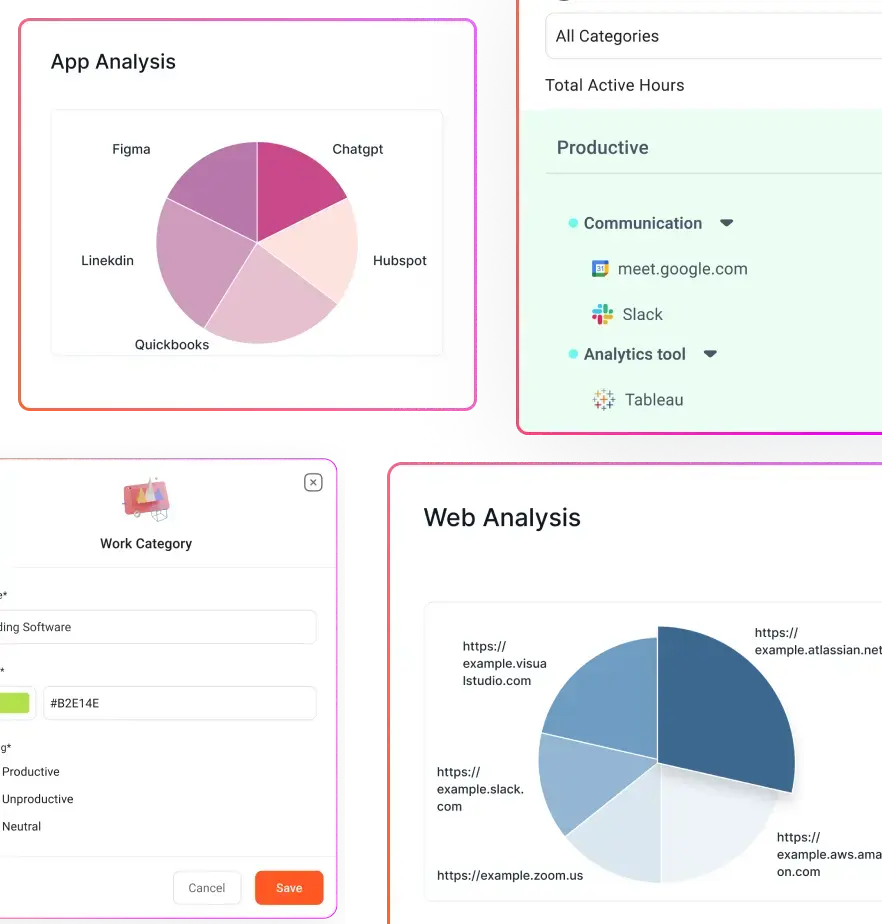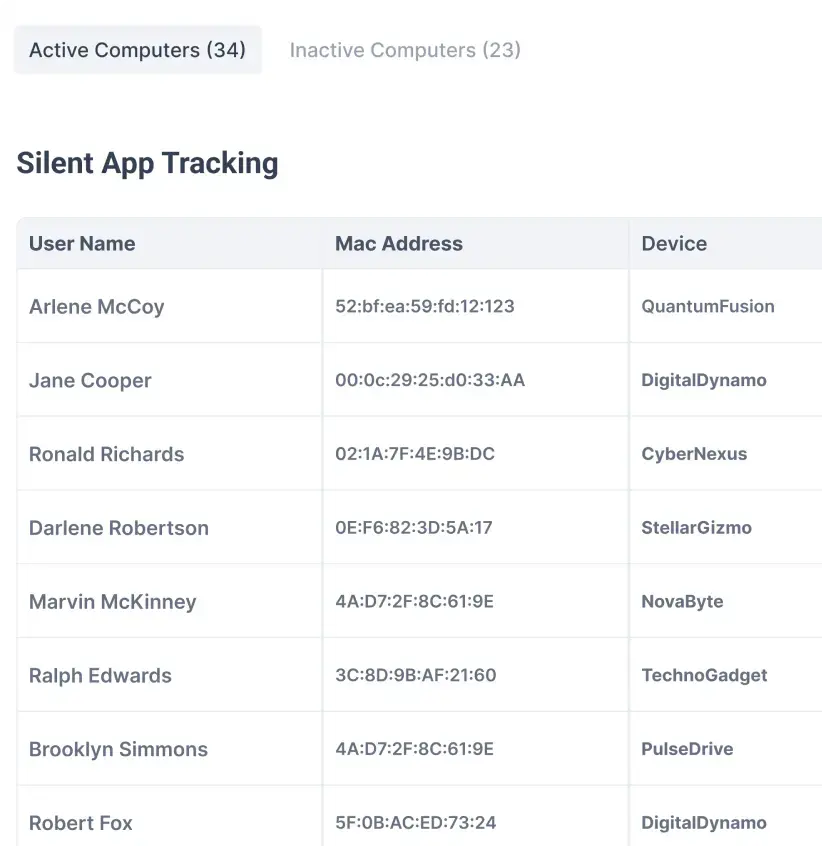
The purpose, Use, And Importance Of Timesheets




For businesses today, effective time management is a determining factor for success. Its importance simply goes beyond tracking hours and empowering businesses to optimize operations and increase employee productivity. All developers and testers, regardless of the project they’re working on, are required to complete a timesheet.
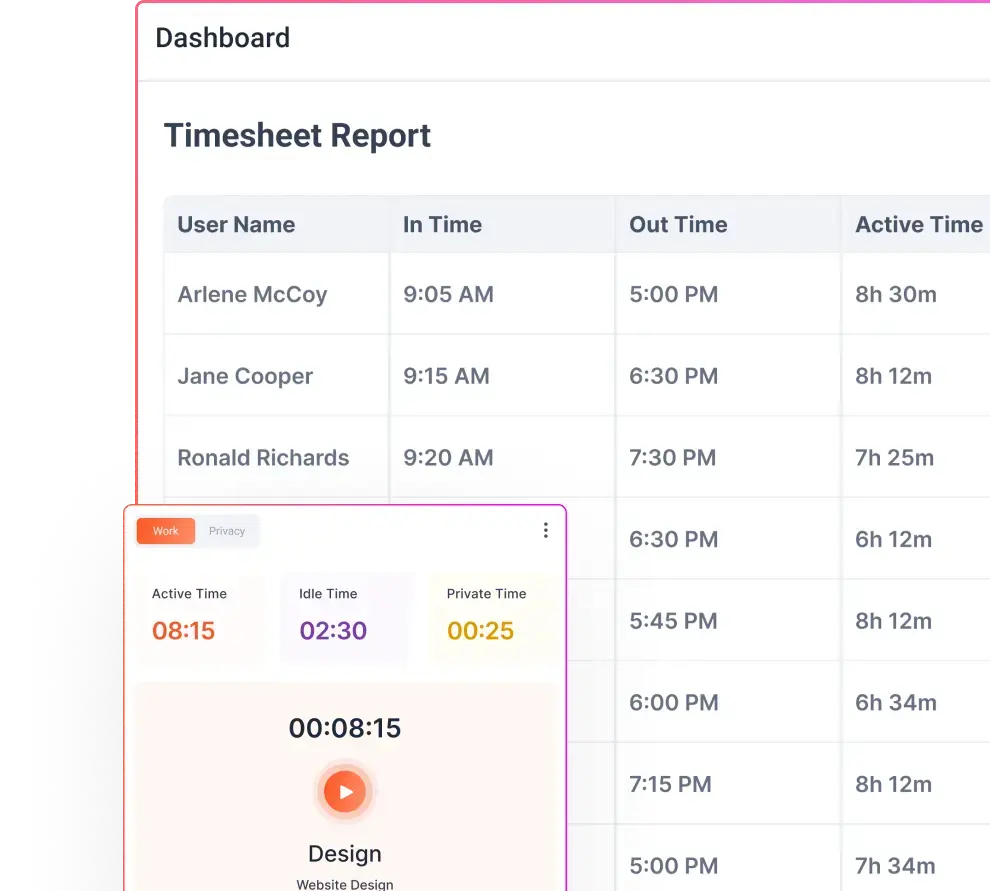
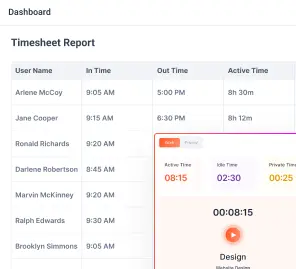
These timesheets are pre-formatted forms with dedicated fields (various projects) where each employee records their daily tasks, maintaining billing accuracy. Thus, they became a mandatory practice in software companies.
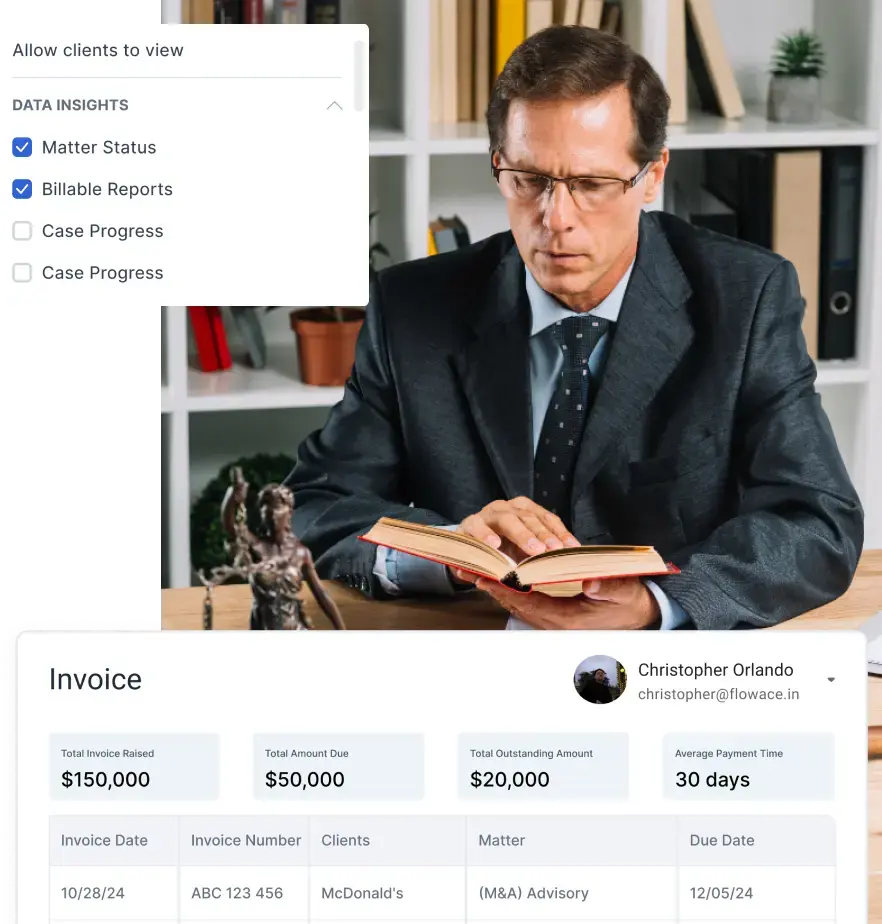
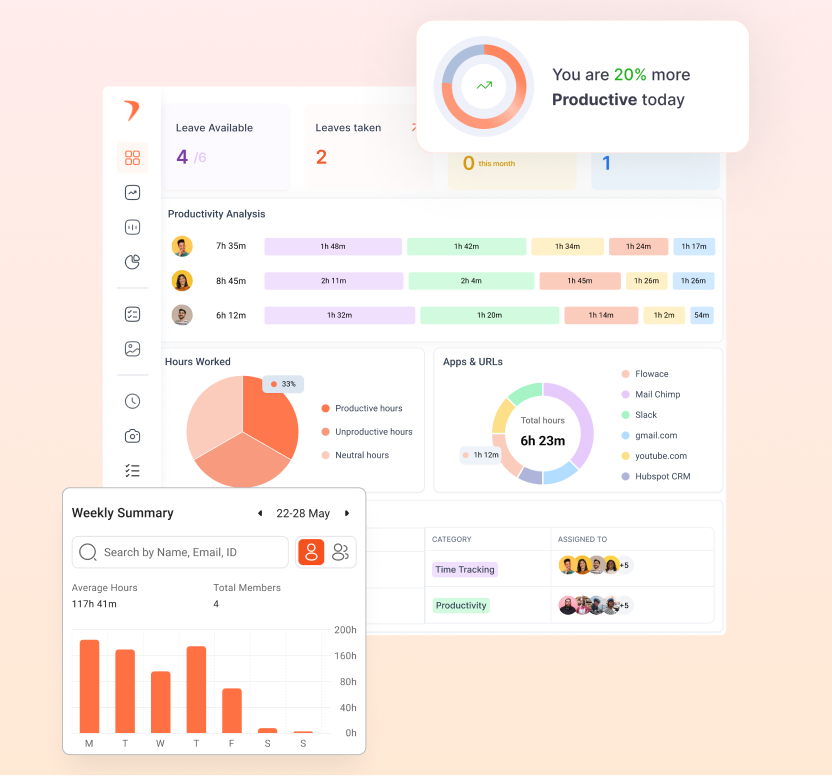
Timesheet’s core advantages lie in its ability to enhance employee efficiency and engagement. This allows businesses to identify areas where employees might be encountering bottlenecks or spending excessive time on specific tasks. Moreover, data-driven workflows are easier to streamline, eliminate inefficiencies, and boost individual tasks for organizations. Timesheets are also essential for accurate billing invoices, preventing revenue leakage, and maintaining financial transparency with clients.
However, the main objective remains the same to minimize errors, perform backlog analysis at any stage of the development process, reassign tasks, and analyze requirements.
Timesheets ensure accurate payroll processing, mainly for HRs and Accounting Heads. They are a primary source of information on employee working hours, project costs, overtime pay, bonuses, etc. For HRs and managers, knowing how much time the team spends on a task can help utilize time management and work processes. They are kept for audits, compliance and legal requirements, performance evaluation, internal analysis and improvement, forecasting and planning, etc.
However, externally sent to various stakeholder reporting or client management, mainly attached to invoices. So, organizations through timesheets can seek and optimize efficiency, ensure financial accuracy and compliance, and make data-driven decisions.
Timesheets mainly help get a clear picture of the time spent on a project and make all the necessary calculations accordingly. This allows organizations to streamline workflow, make strategic decisions, regulate operational efficiency, enhance productivity, and attain organizational success.