12 Signs of Overworked Employees Every Manager Should Know



Overworked employees often shows clear signs before burnout happens. Missed deadlines, longer work hours, less communication, and lower productivity can show that the workload is too high.
This article covers the key signs of employee overload, including what you can spot in one person and what you may notice across a team. Use the 60-second check below to see where your team stands.
The 60-Second Self Check
Answer yes or no for the employee you are concerned about.
- Have they missed two or more deadlines this month that they usually complete on time?
- Have they taken fewer breaks or days off this quarter compared with last quarter?
- Is their work quality dropping while their work hours are increasing?
- Have they skipped lunch or breaks on most days this week?
- Has another team member started taking on their extra work?
- Have they become quieter in meetings or chats where they used to participate?
- Are they working earlier or later than their normal schedule more often?
If you answer “yes” to two or more questions, the employee may be among overworked employees.
Catching the signs early protects the employee and the team around them.
What Are the Signs of Overworked Employees?

Common signs of overworked employees include missed deadlines, lower work quality, longer hours, reduced communication, and changes in daily work habits. These signs often appear in one employee before workload issues become bigger team problems.
1. Missed or Slipping Deadlines
Missing deadlines can be a sign that an employee has more work than they can handle. Look for a pattern across multiple work cycles instead of a single missed deadline. When the workload stays the same but deadlines keep slipping, it may show that the employee needs support.
Try asking:
“I noticed the last two deadlines slipped. Can you walk me through what is taking up your time right now?”
2. Lower Work Quality Despite Continued Effort
A drop in work quality can show that an employee is struggling with an overloaded workload. Small mistakes may happen more often, and tasks may need extra reviews. The employee may still be putting in effort, but their attention may be spread too thin.
Try asking:
“I noticed the quality has changed recently. What is making it harder to focus on the details?”
3. Longer Hours Without More Completed Work
Working longer hours with little improvement in output can be a sign of overwork. An employee may spend more time working but still struggle to finish tasks because the workload is too high.
Try asking:
“I noticed you are working more hours, but the workload is still building up. What is slowing things down?”
4. Taking Less Time Off Than Before
Avoiding breaks or time off can be a sign that an employee feels they cannot step away from their work. They may worry about unfinished tasks or having too much work waiting when they return.
Try asking:
“I noticed you have not taken time off recently. What would help you feel comfortable taking a break?”
5. Becoming Quiet in Meetings and Chats
A normally active employee becoming less involved can be a sign of workload stress. They may have less energy for discussions, teamwork, or sharing ideas because their focus is on managing daily tasks.
Try asking:
“I noticed you have been quieter in discussions lately. How is your workload feeling right now?”
6. Skipping Breaks or Lunch Regularly
Skipping breaks often can show that an employee is struggling to complete their workload within normal hours. A regular pattern of missed breaks may mean their schedule has become too demanding.
Try asking:
“I noticed you are working through breaks often. Is your current workload leaving enough time to recharge?”
7. Working Outside Normal Hours More Often
Frequent early logins, late work hours, or weekend work can be signs of an overloaded schedule. When work regularly extends beyond normal hours, it may show that tasks are taking longer than available work time.
Try asking:
“I noticed more late logins recently. Is your workload pushing you beyond your normal hours?”
Team-Wide Signs of Overworked Employees
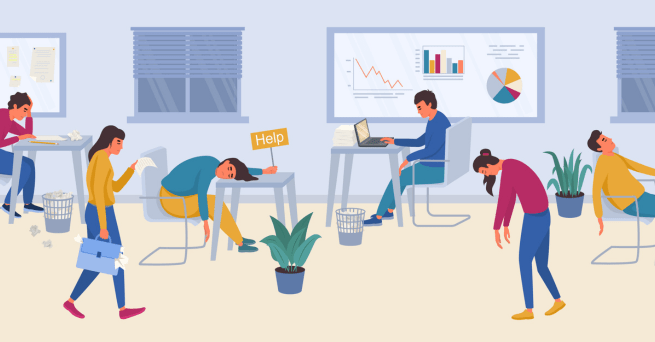
Team-wide signs of employee overload often appear through workload patterns, uneven task sharing, rising overtime, and changes in team behavior. Comparing work across the team helps managers find problems that may be hidden when looking at one employee alone.
8. One Employee Takes on Most Extra Tasks
When one employee regularly handles extra work, it can be a sign of an uneven workload. They may become the person everyone turns to when new tasks appear. Over time, their workload increases while other team members have fewer responsibilities.
Try asking:
“I noticed you are taking on many extra tasks. Can we review how additional work is assigned across the team?”
9. Uneven Overtime Among Employees in the Same Role
Large differences in overtime between employees with similar roles can show an uneven workload. If one person consistently works more hours than others, it may mean tasks are not being shared equally.
Try asking:
“I noticed your overtime is higher than others in the same role. Can we look at how tasks are being divided?”
10. More Mistakes During Team Handoffs
An increase in handoff mistakes can be a sign that employees are rushing through work. When teams try to manage too many tasks at once, important details may be missed during transfers between teammates.
Try asking:
“We have noticed more handoff issues recently. Is the current workload making it harder to complete tasks carefully?”
11. More Team Conflicts About Work
Frequent disagreements between teammates can point to workload pressure. When employees feel stretched, frustration can increase and small issues can turn into bigger conflicts.
Try asking:
“I want to understand the workload behind these issues. How much work is currently on each person’s plate?”
12. More Last-Minute Leave Requests Across the Team
An increase in short-notice leave requests across a team can be a sign of high workload pressure. When several employees need time away during busy periods, managers should review whether workloads are sustainable.
Try asking:
“I noticed more last-minute leave requests recently. How is the current workload affecting the team?”
The signs tell you something is wrong. Workload data tells you why.
Measure Team ProductivityWhat Is the Difference Between Overworked And Burnout?
Burnout and overworked employees sit at two different stages of the same problem. The table below shows where they differ.
| Dimension | Overworked | Burnout |
| Cause | Too much work for the time available | Overwork that went on too long |
| Duration | Days to a few weeks | Weeks to months, builds slowly |
| Recovery | Gets better with a lighter load and rest | Needs extended time off and outside support |
| What Managers Do | Redistribute the work and check in directly | Bring in HR or a mental health professional |
The difference is that overworked employees usually recover when their workload is reduced. Employee burnout develops after ongoing work stress and often requires a longer recovery.
Overworked employees still have the energy and motivation to keep up with their job, even if the workload feels too heavy. When work stress continues for weeks or months without enough support or recovery, that ongoing pressure can develop into burnout.
The World Health Organization classifies burnout as an occupational phenomenon in ICD-11. It defines burnout as a syndrome that results from chronic workplace stress that has not been successfully managed.
The practical difference for a manager is timing. Overworked employees usually still respond to a lighter load and a real conversation. Employee burnout often need more than a workload fix, including rest, professional support, or a longer recovery stretch. If your employee has already moved past overwork into full burnout symptoms, our article on signs of employee burnout covers what to do next.
What to Say When You Spot Signs Of Overworked Employees
When you spot signs of overworked employees, focus on facts, ask open questions, and agree on one clear next step.
- Start with what you observed. Say, “I noticed two missed deadlines,” instead of assuming how they feel.
- Ask a question, then listen. Give them time to explain before suggesting a solution.
- Agree on the next step. Review their workload, adjust priorities, or schedule a follow-up conversation.
How to Fix Overworked Employees’ Team Without Adding Headcount
You can often fix overworked employees’ team by improving how work is assigned before hiring more people. Start with these three steps.
1. Map the real workload
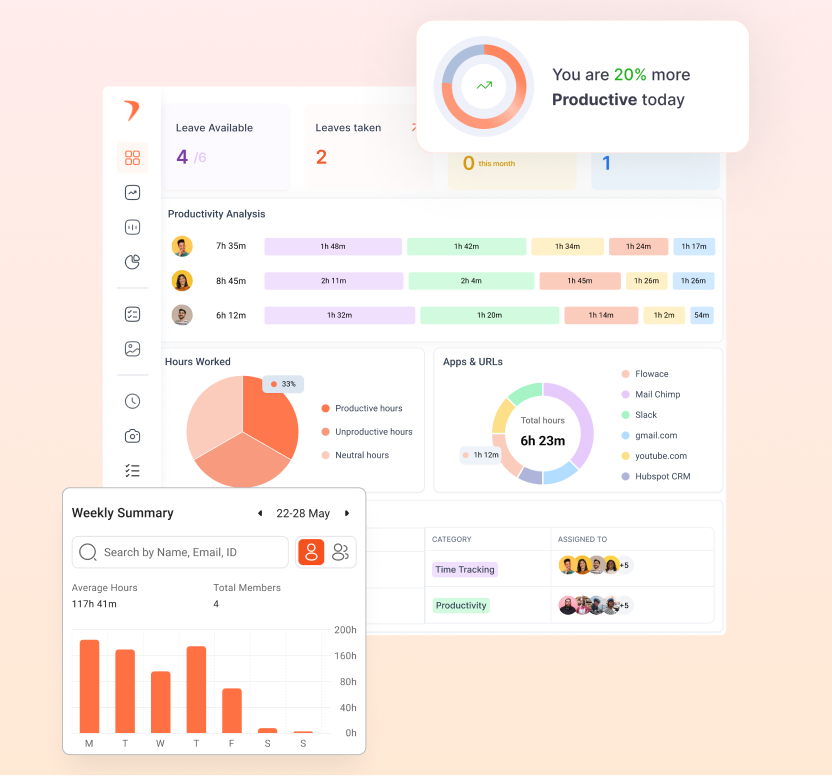
Many managers judge workload by who looks busiest, but this can miss where time is actually spent. Workload analysis shows how teams spend their hours, which tasks take the most time, and where work gets stuck.
For example, a Flowace customer in the data insights industry used workforce insights to compare performance across 22 teams. The analysis revealed a 57.7 percentage point productivity gap between the highest and lowest performing teams. This helped leaders identify areas where work processes could be improved.
2. Remove low-value work
Cut unnecessary meetings, duplicate reports, and manual updates. Freeing a few hours each week can improve productivity more quickly than waiting for a new hire.
3. Protect focus time
Give employees uninterrupted time for important work. Frequent task switching often reduces productivity more than a lack of staff. Workload visibility tools can help identify these patterns.
Thus, better workload management can improve work performance faster than hiring because new employees need time to get up to speed.
Stop guessing who's overloaded. Start managing workload with real data.
Explore Workload AnalyticsFrequently Asked Questions About Overworked Employees
1. What is considered overworking employees?
Overworking happens when employees regularly have more work than they can complete during a normal work week. It usually continues for several weeks and shows up through longer hours, missed personal time, rising stress, and lower work quality.
2. What are the signs of overworked employees?
Common signs of overworked employees include missed deadlines, lower quality work, longer hours with little extra output, reduced time off, and less participation in meetings. Managers should also watch for employees who regularly take on extra tasks or carry more work than others in the same role.
3. Is working 55 hours a week too much?
Yes. Working 55+ hours a week may harm health and reduce long-term productivity. WHO and ILO research found that long work weeks increase the risk of stroke by 35% and fatal heart disease by 17%.
4. What is the difference between overworked and burnout?
An overworked employee has more work than they can handle and often improves when their workload is reduced. Burnout happens after long-term work stress and can affect a person’s energy, focus, and motivation, even after their workload is reduced.
5. What is the 42% rule for burnout?
The 42% rule suggests that people need around 42% of their time for rest and recovery to help prevent burnout. This idea comes from the book Burnout by Emily and Amelia Nagoski and is a general wellness concept, not a medical guideline.
6. How do you spot overworked employees?
Look for signs such as repeated missed deadlines, increased overtime, reduced time off, and changes in work quality. A direct conversation about workload can help confirm whether an employee has too much on their plate.
7. What are the symptoms of burnout from overwork?
Common symptoms include ongoing tiredness, difficulty focusing, irritability, withdrawing from coworkers, and getting sick more often. These signs often build slowly, which makes early action important.