How a US RCM provider found 1/3rd of their billing team's hours had never touched a single claim
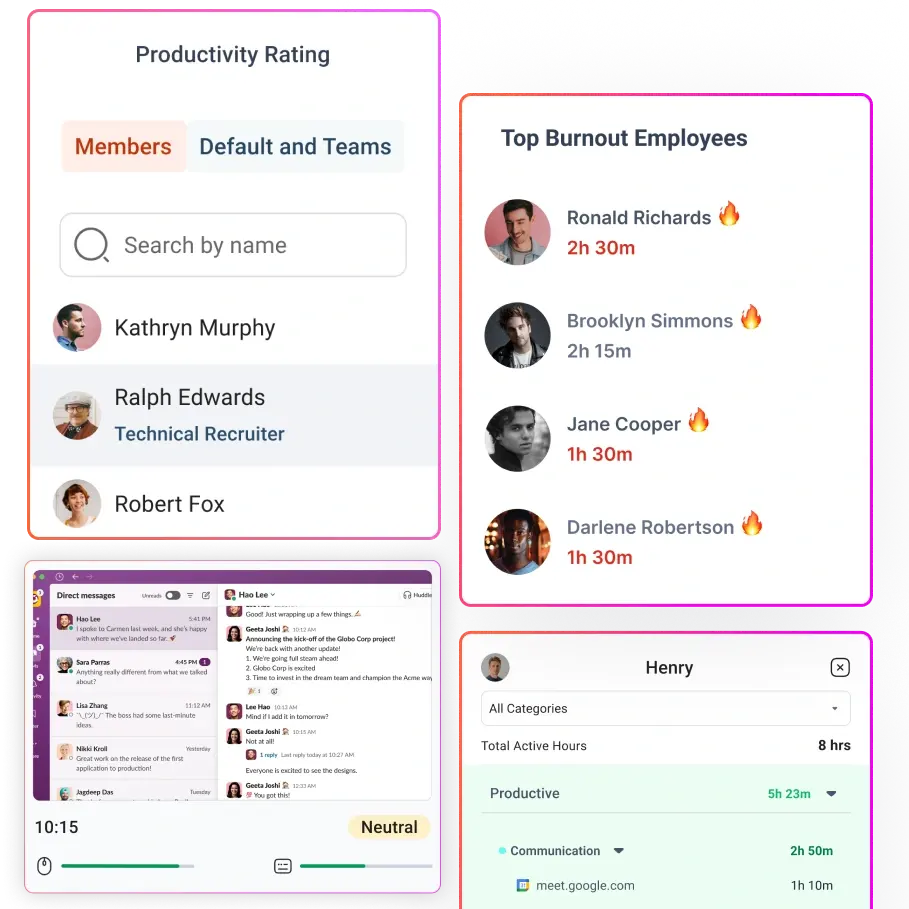
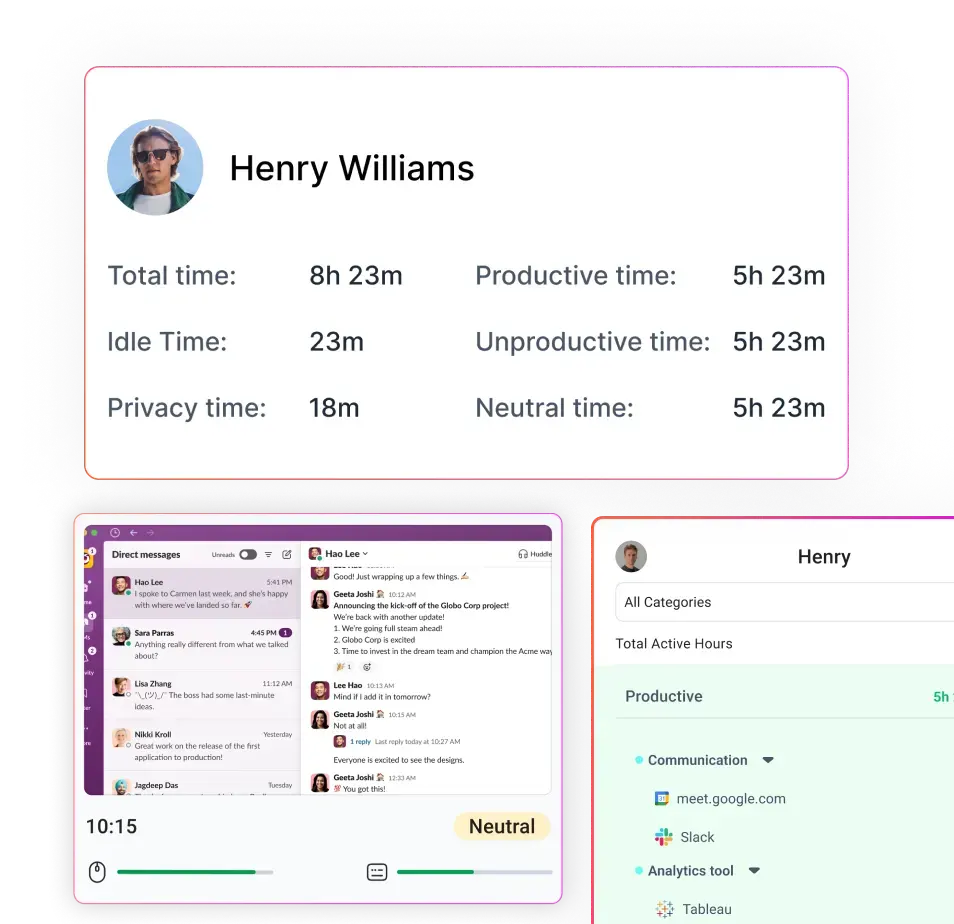
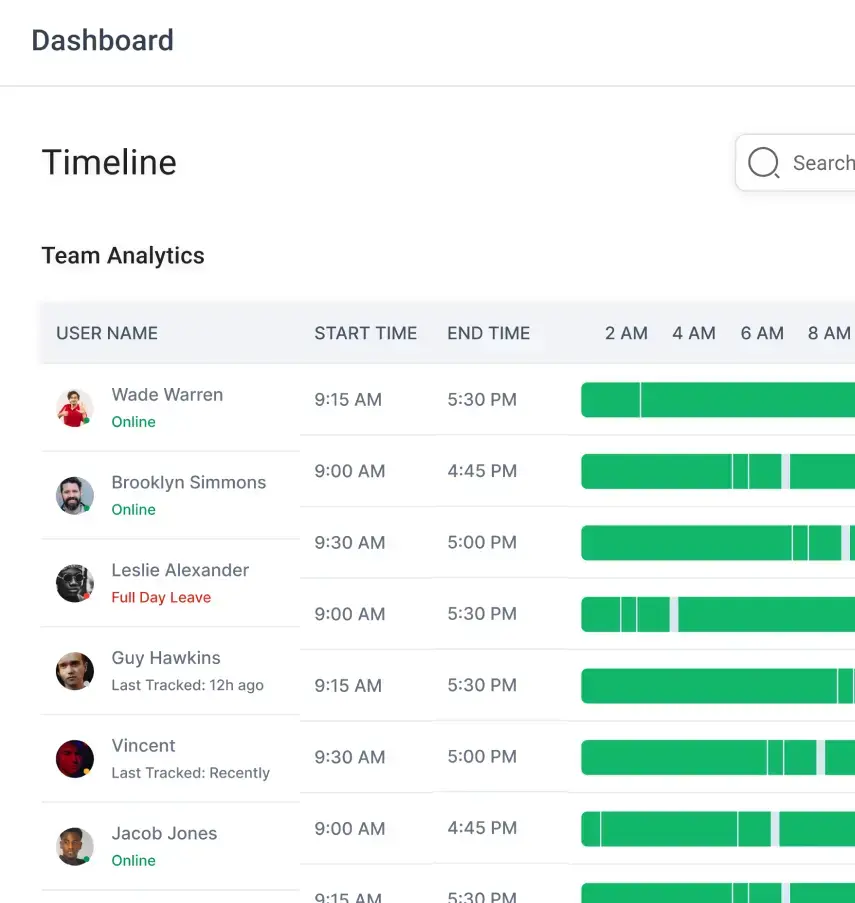
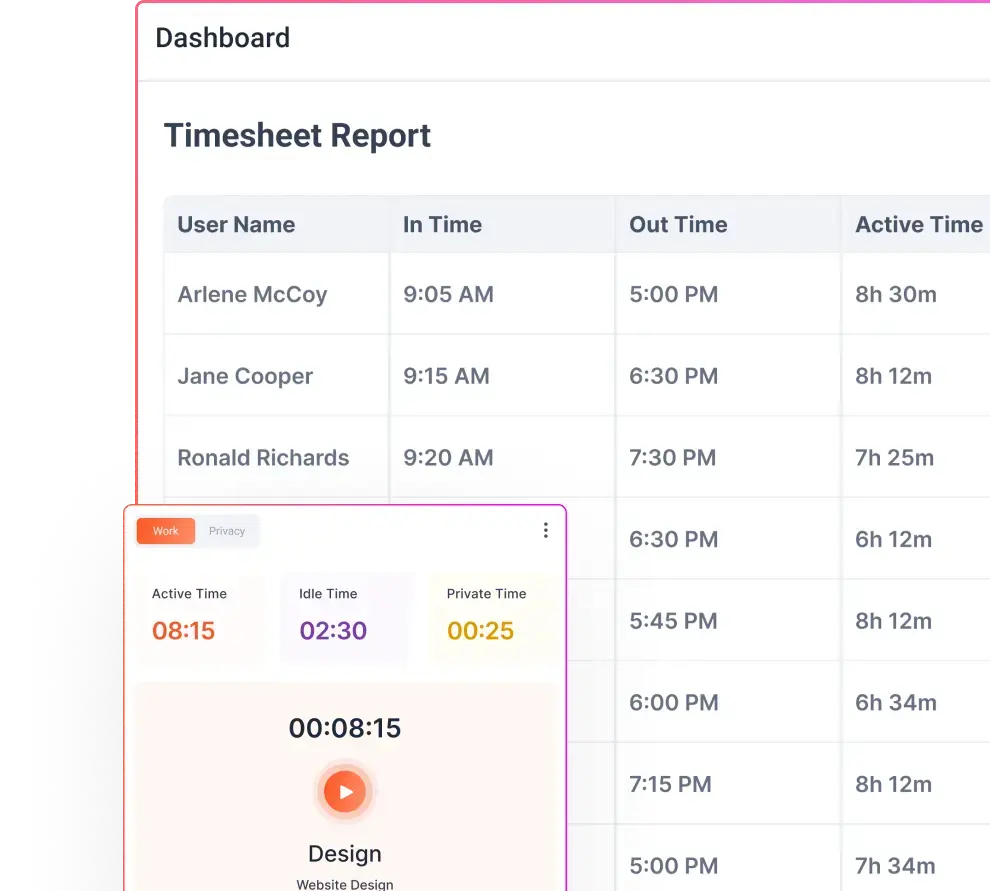
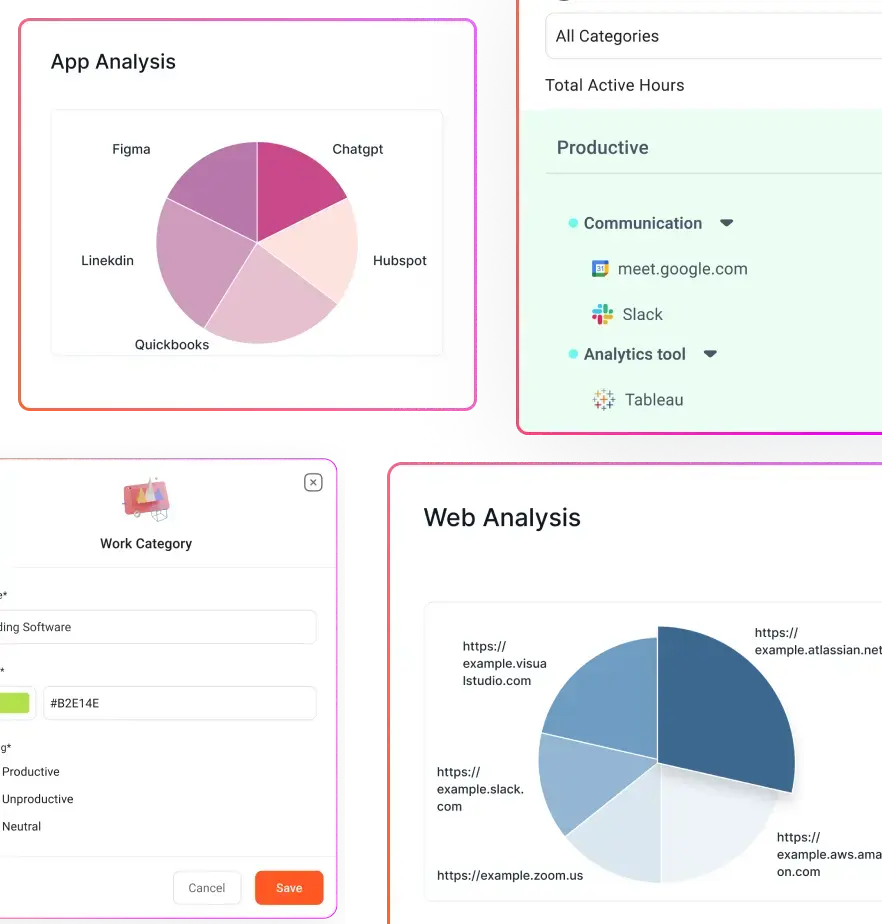
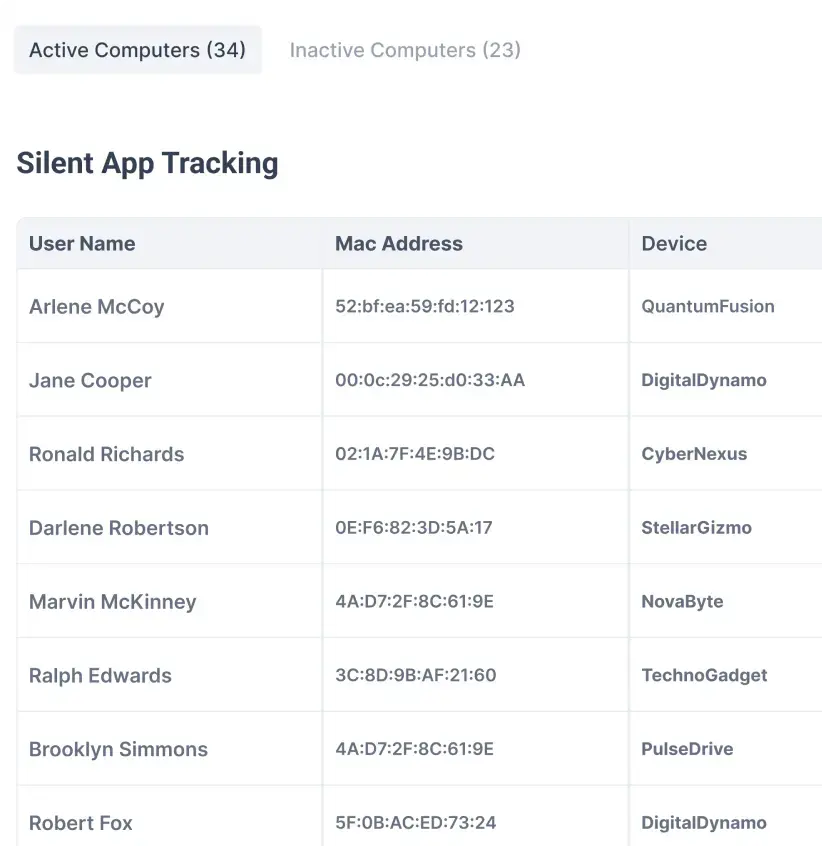
The client's billing team was fully staffed and processing claims every day. A large share of those hours were going to admin work, idle time, and coordination tasks that generated zero reimbursement. Nobody had measured it, until Flowace did.
Try Flowace Free
About The Client
The client is a US-based healthcare practice management company. Their teams run the full revenue cycle for medical practices, billing, claims follow-up, credentialing, payment posting, denial management, and reimbursement support. In RCM operations, every hour either moves a claim forward or it does not.
Every hour the billing team logged looked productive, until measured against what it was going to
The client’s billing teams were logging hours, and working through the day. The operation looked like it was running at capacity, but the question nobody could answer was how much of each person’s day was actually going to revenue-generating work.
An hour spent on admin coordination is an hour not going to denial follow-up or payment posting. At the client’s scale, those hours add up fast. Without a way to measure them, there was no way to know how much throughput the team was leaving behind.
Claims capacity going to hours that earned nothing
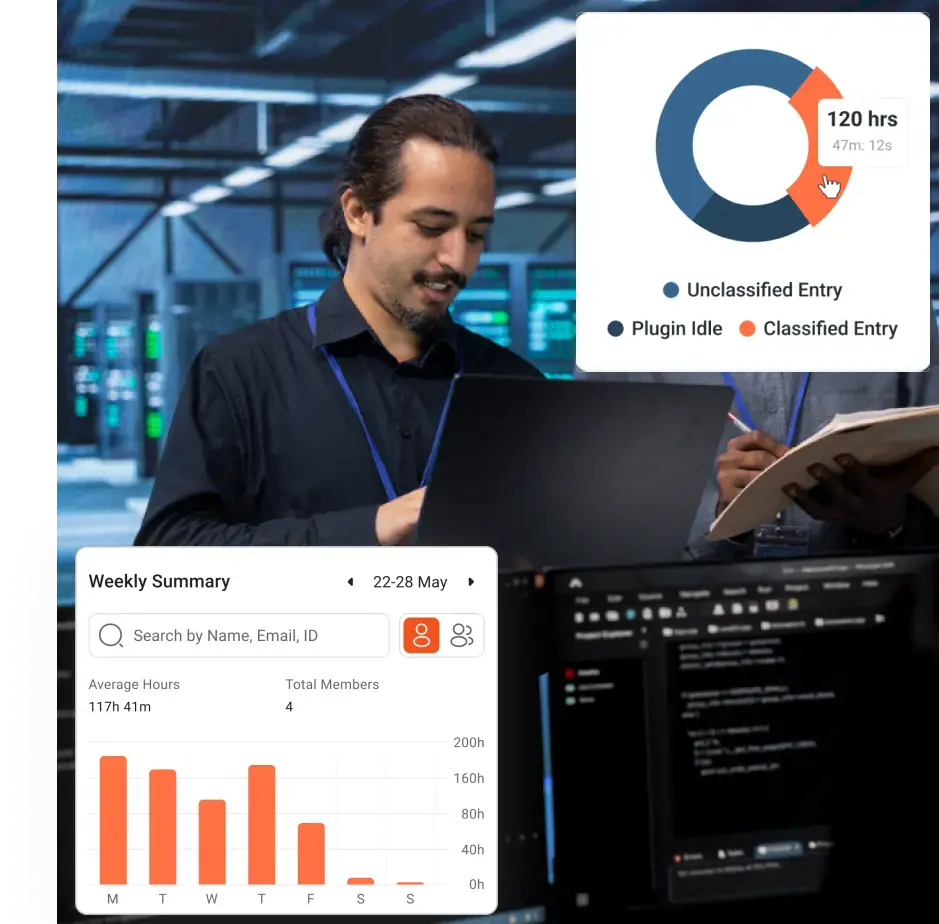
Admin tasks, idle periods, and non-billing work were absorbing hours that should have been processing claims. For the client, that was a significant share of daily claims capacity with no way to see where it went or get it back.
No benchmark for how long a claim actually takes
Without time data per claim type, the client had no real base for capacity planning, staffing, or performance targets. Every throughput shortfall got the same response, adding more people.
Overstaffed to cover for a problem in the timesheet
The client’s teams were sized to absorb unknown inefficiency rather than to match real output needs. That cost was being paid twice, once in lost claims throughput and again in staffing overhead that was not needed.
“I didn't need another consultant. I needed better data. Flowace helped us cut claim TATs and improve cash flow fast.”
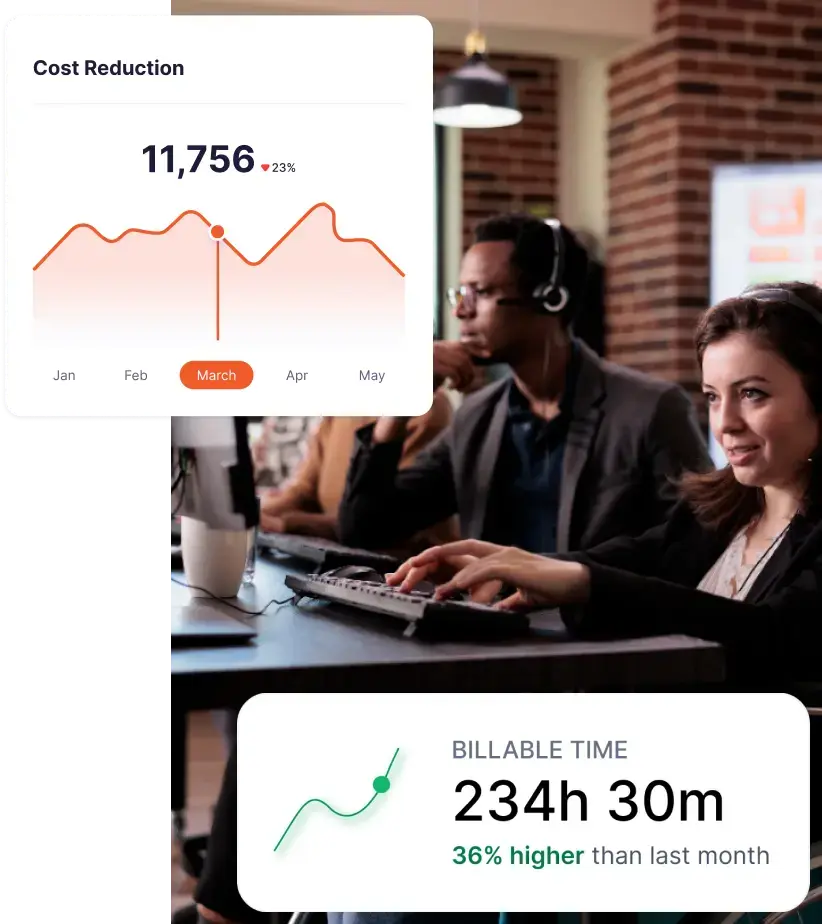
More claims processed, with a leaner team, and same output.
Visibility into how RCM hours were actually being spent changed every decision the client made about staffing, capacity, and throughput targets.
Improvement in claims processing capacity
Redirecting non-claim hours back to billing and follow-up work increased the volume of claims the existing team could handle, without adding headcount.
Equivalent capacity recovered from existing team
Closing productivity gaps delivered the output of an additional full-time hire from the team already in place.
Identified and redirected to revenue-generating claims work
Hours previously absorbed by administrative tasks, internal coordination, and non-billable work were identified by activity, reassigned to claims, and tracked.
The client’s RCM operation was underperforming because their hours had never been properly mapped to the claims they were meant to process. A third of daily billing capacity was going somewhere else entirely. With no way to see it, the only option was to keep adding staff. Flowace changed what could be measured. The result was a leaner, higher-output operation that the client’s leadership could finally plan around.
FAQ's
Frequently Asked Questions About the US RCM Provider Case Study by Flowace
Flowace helped the RCM provider find that 30-35% of billing hours were spent on non-claim tasks. The team improved claims throughput by 20-25% and increased output without hiring more employees.
Many RCM teams lose part of their work hours to admin and coordination tasks. Flowace helped one US RCM provider find that 30-35% of billing time was spent outside claim work.
Yes. RCM teams can improve claim output by using existing work hours better. Flowace helped one provider increase claims processing capacity by 20-25% without adding new staff.
RCM teams may need more staff when lost work hours are not visible. Flowace helps identify where time is spent, so companies can fix workflow gaps before hiring more employees.
Yes. Flowace supports healthcare and RCM teams with secure data protection, including AES-256 encryption, TLS 1.2+ encryption, and role-based access controls.
Flowace offers features like time tracking, productivity dashboards, activity reports, attendance tracking, shift management, leave management, and team analytics. These features help RCM teams improve visibility and workflow efficiency.
Flowace plans start at $1.99/user/month. The Standard plan costs $3.99/user/month, Premium costs $6.98/user/month, and Enterprise plans offer custom pricing for larger teams.
The Standard plan is suitable for many mid-size RCM teams. It includes productivity dashboards, activity reports, and shift and leave management. Larger teams can choose Premium or Enterprise plans for advanced needs.
How much of your RCM team's day is actually touching claims?
Most RCM operations find 25 to 35% of billing team hours going to non-claim work in their first two weeks on Flowace. That is throughput sitting idle inside a team you are already paying for. The question is how long you want it to stay there.
- 7-day free trial
- No Credit Card Required
- Live in under 5 minutes.